Grey New Balance Sneakers for Fall & Winter Comfort
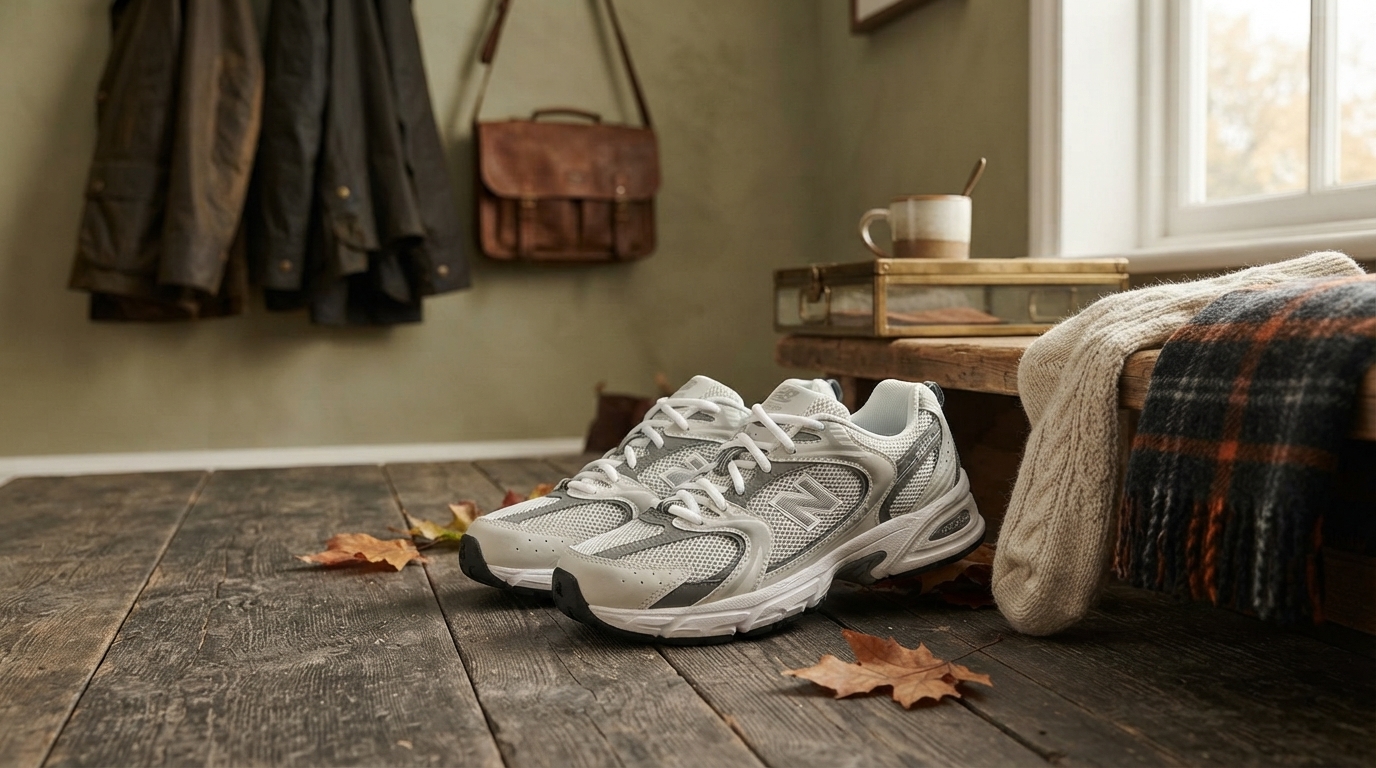
New Balance Women’s Grey Fall/Winter Sneakers: Warmth, Grip, and Everyday Comfort
Cool-weather sneakers earn their spot when they balance cushioning, traction, and easy styling for heavier layers and unpredictable sidewalks. Fall and winter also bring damp pavement, leaf-covered paths, and long days that move between outdoors and heated indoor spaces. The right pair should feel secure underfoot, comfortable for hours, and versatile enough to match your cold-season wardrobe without looking bulky. Below are the main features to prioritize, plus a spotlight on a versatile grey option designed for daily wear.
What Makes a Sneaker Fall/Winter-Ready
Traction that handles wet sidewalks
Look for an outsole with a deeper, more defined tread pattern and a stable contact area. This helps the shoe “bite” into slick surfaces like wet concrete and leaf-strewn paths, where smoother soles can slide.
A more structured upper for wind and temperature swings
Ultra-thin summer mesh can feel drafty once temperatures dip. A slightly more structured upper can help block wind while still staying breathable indoors—useful for commutes, errands, and office days.
Cushioning that stays consistent in cooler weather
Comfort is more than softness. Prioritize supportive midsole cushioning and a secure heel fit so steps feel stable even when surfaces are damp or uneven. Footwear comfort and fit are also closely tied to foot health; the American Podiatric Medical Association (APMA) offers practical guidance on choosing supportive shoes.
Small design details that matter
In fall and winter, “little” features add up: grippy laces that hold a tie, a padded collar that reduces rubbing, and enough room for slightly thicker socks without squeezing the forefoot.
Grey for easy outfit pairing
Grey is a workhorse color in colder months. It pairs smoothly with denim, black leggings, and neutral outerwear, and it won’t clash with scarves, beanies, or darker coats.
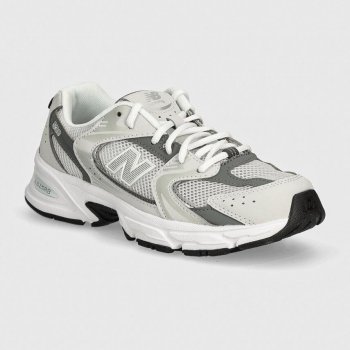
Spotlight: New Balance Women’s Grey Fall/Winter Sneakers
If one pair needs to cover daily routines—commuting, casual walks, travel days, and standing-heavy schedules—grey New Balance sneakers are an easy pick for cooler seasons. The neutral color stays low-key with winter layers, while the everyday comfort profile suits longer wear than a style-only sneaker.
New Balance Women’s Grey Fall/Winter Sneakers work well as a practical middle ground when boots feel too heavy but summer trainers feel too light. They’re also a smart seasonal refresh at an accessible price point, especially for building a rotation that can handle unpredictable weather without committing to a bulky shoe.
Quick specs at a glance
| Item | Details |
|---|---|
| Product | New Balance Women’s Grey Fall/Winter Sneakers |
| Price | $58.41 USD |
| Availability | In stock |
| Color | Grey |
| Best for | Daily wear, commuting, casual walks in cooler weather |
Fit and Comfort Tips for Colder Months
Use a smart sock strategy
Medium-weight socks can add warmth and reduce friction, but they also change fit. Make sure toes can wiggle and the forefoot isn’t cramped—tight shoes can feel colder by limiting circulation.
Prioritize heel security
A stable heel reduces slipping inside the shoe, which can make slick surfaces feel even less predictable. If you tend to get heel lift, try a heel-lock lacing technique to keep your foot anchored.
Support matters on travel and indoor-heavy days
Fall and winter often mean more indoor walking—airports, malls, offices, and museums—on top of outdoor steps. All-day cushioning and steady underfoot support help reduce fatigue when the day stretches longer than expected.
Expect a brief break-in with structured uppers
If you’re between sizes, think about your cold-weather routine
How to Wear Grey Sneakers in Fall and Winter
A clean casual uniform
Athleisure that looks finished
Work-casual comfort
Weather-minded styling tweaks
Coordinate with accessories
Care and Maintenance for Wet, Cold, and Grimy Days
Wipe down after damp walks
Dry the right way
Remove insoles and air-dry away from direct heat so materials don’t warp and adhesives aren’t stressed. For broader consumer guidance on care claims and materials, the FTC offers helpful general resources.
Control odor with rotation
Keep traction working
Clear debris from outsole grooves so tread can grip properly. And remember that no sneaker is fully slip-proof—if conditions are slick, take shorter steps and stay alert, similar to broader safety tips from the CDC’s fall prevention guidance.
Consider seasonal protection
Alternative Option for a Different Style Direction
Calvin Klein Jeans Women’s Sneakers can make a useful second option when you want an easy, brand-forward finish. Choose based on where you’ll wear them most—wet sidewalks and outdoor errands vs. mostly indoor use—and how much all-day cushioning you typically need.
Side-by-side shopping snapshot
| Option | Price | Availability | Good for |
|---|---|---|---|
| New Balance Women’s Grey Fall/Winter Sneakers | $58.41 | In stock | Daily comfort, cooler-weather casual wear |
| Calvin Klein Jeans Women’s Sneakers | $56.02 | In stock | Style-focused outfits and lighter-duty wear |
FAQ
Are fall/winter sneakers warm enough for cold weather?
They’re usually best for cool to moderately cold days, especially when paired with warmer socks. Warmth depends on the upper material, your activity level, and how long you’re outdoors; for deep cold or heavy snow, insulated boots are typically the better choice.
How should sneakers fit if thicker socks are worn in winter?
Try sneakers on with the sock thickness you’ll actually wear, and aim for about a thumb’s width of space in the toe box. Avoid pinching at the forefoot and make sure the heel feels locked in so your foot doesn’t slide.
How can traction be improved on wet sidewalks?
Choose sneakers with deeper tread, keep outsole grooves clear of debris, and replace pairs once soles get worn smooth. On slick patches, take shorter steps and slow down—no sneaker is completely slip-resistant on wet surfaces.














Leave a comment