1450W Variable-Speed Magnetic Drill Press (1.6 in)
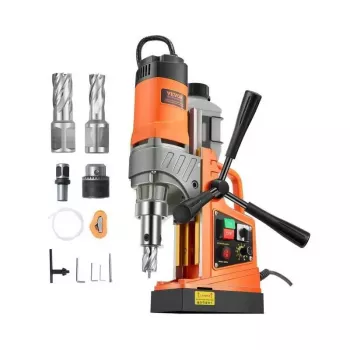
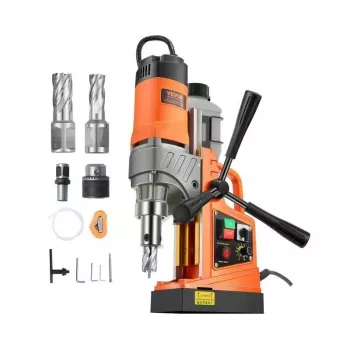
1450W Magnetic Drill Press with Variable Speed and 1.6in Boring Capacity
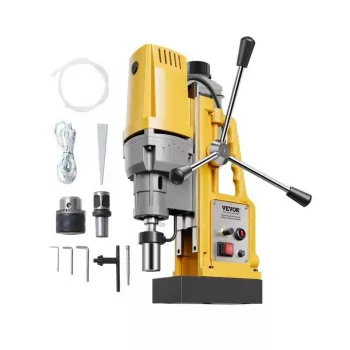
A magnetic drill press is built for clean, controlled drilling on steel where a handheld drill struggles to stay aligned. This 1450W model pairs a strong magnetic base with variable speed control and up to 1.6-inch boring capacity—useful for fabrication, structural work, equipment maintenance, and jobsite drilling where accuracy and stability matter.
What This Magnetic Drill Press Is Designed to Do
When you need accurate holes on steel plate, structural members, or installed equipment, a magnetic drill press bridges the gap between a full-size drill press and a handheld drill. The magnetic base locks onto ferrous metal, helping the tool stay planted so the cutter tracks where you set it.
- Creates stable drilling on ferrous metal surfaces using a magnetic base to reduce walking and chatter
- Supports controlled holemaking with variable speed for different cutter sizes and materials
- Targets common trade tasks: steel plate drilling, beam work, machine repair, and field fabrication
- Prioritizes perpendicular alignment, repeatability, and reduced operator fatigue versus handheld drilling
Key Specs at a Glance
This combination of motor power, adjustable RPM, and larger hole capacity is aimed at real-world steelwork where tool stability and heat control make the difference between a clean cut and a burned-up cutter.
- Power: 1450W motor for sustained cutting under load
- Boring capacity: up to 1.6 inches for larger diameter holemaking
- Variable speed: match RPM to cutter diameter and material thickness
- Magnetic base: helps keep the drill anchored during cutting and improves accuracy
| Feature | What it means in practice |
|---|---|
| 1450W motor | Better torque and steadier cutting during larger holes and thicker steel |
| Variable speed control | Dial in RPM to reduce overheating, improve finish, and extend cutter life |
| 1.6 in boring capacity | Handles larger holes often needed for bolts, pipe pass-throughs, and fabrication |
| Magnetic base | Stability on steel surfaces for safer, more accurate drilling |
Variable Speed: When It Matters Most
Variable speed is more than a convenience; it’s a way to keep cutters alive and holes consistent. Cutting speed that’s too high can quickly overheat tooling, especially on larger diameter cutters where the outside edge is moving fast.
- Large cutters and hole saws typically require lower RPM to prevent heat buildup and tooth damage
- Smaller drill bits can run faster for efficient material removal without excessive torque
- Speed control helps manage chips and reduces the chance of grabbing when breaking through
- Better control on thin stock: slower speeds can reduce burrs and distortion
For general guidance on safe machine operation and guarding practices around rotating equipment, reference OSHA’s overview of machine guarding requirements.
Boring Capacity Up to 1.6 Inches: Common Use Cases
A 1.6-inch boring capacity covers many everyday tasks that come up in steel fabrication and repair work. Larger holes often mean fewer steps—avoiding multiple drills, step bits, or time-consuming enlarging—while keeping the hole centered and square.
- Structural steel connections: clearance holes for larger fasteners and anchors
- Fabrication: pass-through holes for conduit, tubing, and mounting hardware
- Maintenance: retrofit work on equipment frames, brackets, and machine bases
- Production tasks: repeatable large-diameter holes with consistent alignment
Magnetic Base and Stability Considerations
The magnetic base is the heart of a mag drill’s performance. Holding strength depends heavily on the work surface and how well the base can make full contact.
- Best holding strength is achieved on clean, flat, thick ferrous steel; paint, rust, and scale reduce grip
- Surface prep (degrease, remove loose rust, ensure full contact) improves safety and hole quality
- For thinner material, consider backing plates or clamping strategies when appropriate
- Plan cable routing and body position to avoid tugging the tool during the cut
If you’re working overhead or on vertical surfaces, take extra time with setup: a stable seat and a secure stance help prevent side-loading that can degrade accuracy. Personal protective equipment matters too—ANSI provides an overview of eye and face protection standards (Z87.1) that are commonly referenced for shop and jobsite safety programs.
How to Get Cleaner Holes and Longer Cutter Life
Consistent results come from treating the cut like a controlled machining operation rather than forcing the tool through. A mag drill can deliver excellent hole quality, but only when chips, heat, and feed pressure are managed.
- Use appropriate cutting fluid for the material to reduce heat and improve chip evacuation
- Start with correct speed and steady feed; avoid forcing the cutter when chips pack
- Deburr after drilling and verify hole size with calipers or gauges for critical fits
- Let the tool reach full speed before engaging the workpiece, especially with larger cutters
Safety Checks Before Each Job
Who This Model Fits Best
Product Options in Stock
- 1450W Magnetic Drill Press with Variable Speed and 1.6in Boring Capacity (in stock)
- Carbon Trout Fishing Combo (in stock)
- Adidas Men’s White Sneakers (in stock)
FAQ
What materials can a magnetic drill press be used on?
The magnetic base is designed to hold on ferrous metals like steel, so clean steel surfaces provide the most secure grip. You can drill other materials, but the tool won’t magnetically anchor to them, so alternative fixturing or clamping methods are needed for stability.
How should speed be set for large-diameter holes?
Set a lower RPM for larger-diameter cutters to reduce heat and prevent premature tool wear, then use a steady feed with cutting fluid to keep chips moving. When tooling guidance is available, follow the cutter manufacturer’s recommended speed range.
Why does the magnetic base feel weaker on some surfaces?
Holding strength drops when the surface is uneven or thin, or when paint, rust, mill scale, and debris prevent full contact. Clean and flatten the contact area when possible, and use a backing plate or alternative securing method on thin material if needed.













Leave a comment