3-Speed Cordless Massage Gun for Deep Tissue Relief
Handheld, Cordless Relief When Muscles Feel Worked
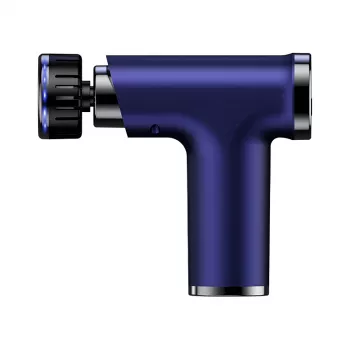
Muscle tightness after workouts, long desk days, or repetitive tasks can make everyday movement feel harder than it should. A handheld cordless deep tissue massage gun helps target sore areas with focused percussive pulses, and a 3-speed design makes it easier to dial in the right intensity for warmups, recovery, or general comfort.
If you like tools that fit into real routines—before a lift, after a run, or between meetings—this style of percussion massager is built for quick, targeted sessions without needing a cord, a clinic appointment, or complicated controls.
What a percussion massage gun does
A percussion massage gun delivers rapid, short strokes into soft tissue. That “tap-and-release” action can help muscles feel looser and more relaxed, especially when you’re dealing with post-workout heaviness or the “stuck” feeling that comes from sitting too long.
- Uses quick percussive pulses to stimulate soft tissue and help reduce tight, guarded sensations.
- Works well as part of a warmup (to wake muscles up) or a cooldown (to help unwind after training).
- Handheld use makes it easier to focus on common trouble spots like calves, quads, glutes, upper back, and shoulders (within comfortable reach).
- Cordless operation supports quick sessions at home, at the gym, or while traveling.
Massage approaches are commonly used for comfort and pain management, and research continues to explore how techniques may support relaxation and recovery habits. For a broader overview, see Harvard Health Publishing’s discussion of massage for pain and the NCCIH guidance on massage therapy.
Three speeds: choosing the right intensity
A three-speed setup keeps things simple: pick a level, test it for a few seconds, then adjust based on the area and how your body responds that day.
- Low speed: Gentle work for sensitive areas, warmups, or relaxation when muscles feel tender.
- Medium speed: A practical everyday option for general muscle tightness after normal activity.
- High speed: Deeper-feeling stimulation for larger muscle groups when tolerance is higher.
- Easy switching: A straightforward 3-speed approach reduces guesswork when moving between muscle groups.
Speed guide for common situations
| Situation | Suggested speed | How long per area |
|---|---|---|
| Pre-workout warmup (legs, glutes) | Low to Medium | 30–60 seconds |
| Post-workout cooldown (quads, calves) | Medium | 60–120 seconds |
| Stiffness from sitting (hips, upper back) | Low to Medium | 30–90 seconds |
| Deep tightness in large muscles (glutes, hamstrings) | Medium to High | 30–60 seconds, then reassess |
Key features that matter in daily use
On paper, many massage guns sound similar. In real life, the details that affect consistency are the ones that make you actually reach for it when you need it.
- Cordless convenience: Use it anywhere without rearranging furniture or hunting for an outlet.
- Handheld size: Ideal for quick spot treatment—calves before a walk, quads after a leg day, shoulders after a laptop-heavy week.
- Deep-tissue style percussion: Delivers a more targeted, pressure-like sensation than lighter vibrating massagers.
- Multi-speed control: Helps match intensity to the area being treated and your comfort level.
If your recovery approach includes multiple tactics (sleep, hydration, light movement), the American College of Sports Medicine offers a useful overview of recovery strategies as a bigger picture reference: ACSM recovery resources.
Where it can help most
Most people get the best “difference you can feel” results when they use percussion on larger muscle bellies and keep sessions short and consistent.
- Workout recovery: Legs and glutes often respond well to brief passes after training.
- Daily tension: Neck and shoulder areas can benefit from careful, gentle use around muscle bellies (avoid pressing directly on the front/side of the neck).
- Foot and lower-leg fatigue: Calves and arches can feel looser with controlled, brief passes.
- Warmup support: Short, low-to-medium passes can help muscles feel more “ready” before activity.
How to use it for comfortable, consistent results
The goal is controlled stimulation—not “as hard as possible.” A little restraint usually leads to better next-day comfort.
- Start low: Begin on the lowest speed and only increase if it feels comfortable and steady.
- Keep it moving: Glide slowly over the muscle instead of holding it in one spot for too long.
- Use light to moderate pressure: Let the device do the work; pressing hard can increase soreness.
- Time it: Aim for 30–120 seconds per muscle area, then move on.
- Breathe and relax: If you brace, the muscle stays guarded—ease up until you can stay relaxed.
Safety notes and when to avoid use
Care, charging, and storage
Who this massage gun fits best
In-stock picks to round out your routine
- Handheld Cordless Deep Tissue Massage Gun with 3 Speeds for Body Relief
- Adidas Men’s White Sneakers
- Birkenstock Women’s White Leather Slippers
FAQ
How long should a massage gun be used on one muscle group?
For most areas, 30–120 seconds is a practical range. Keep the head moving slowly over the muscle, and start with shorter passes on sensitive spots before adding time.
Is it okay to use a massage gun every day?
Light daily use is often fine if it feels comfortable and you’re not increasing soreness. If tenderness builds over time, reduce intensity or duration and give the area a rest day.
Can a massage gun be used on the neck and upper back?
Yes, but use a gentle speed and light pressure on the upper back and the thicker shoulder muscles. Avoid the front/side of the neck and the bony spine, and stop if symptoms worsen.












Leave a comment