Piquadro Eco Black Backpack: Laptop-Safe, Organized Carry
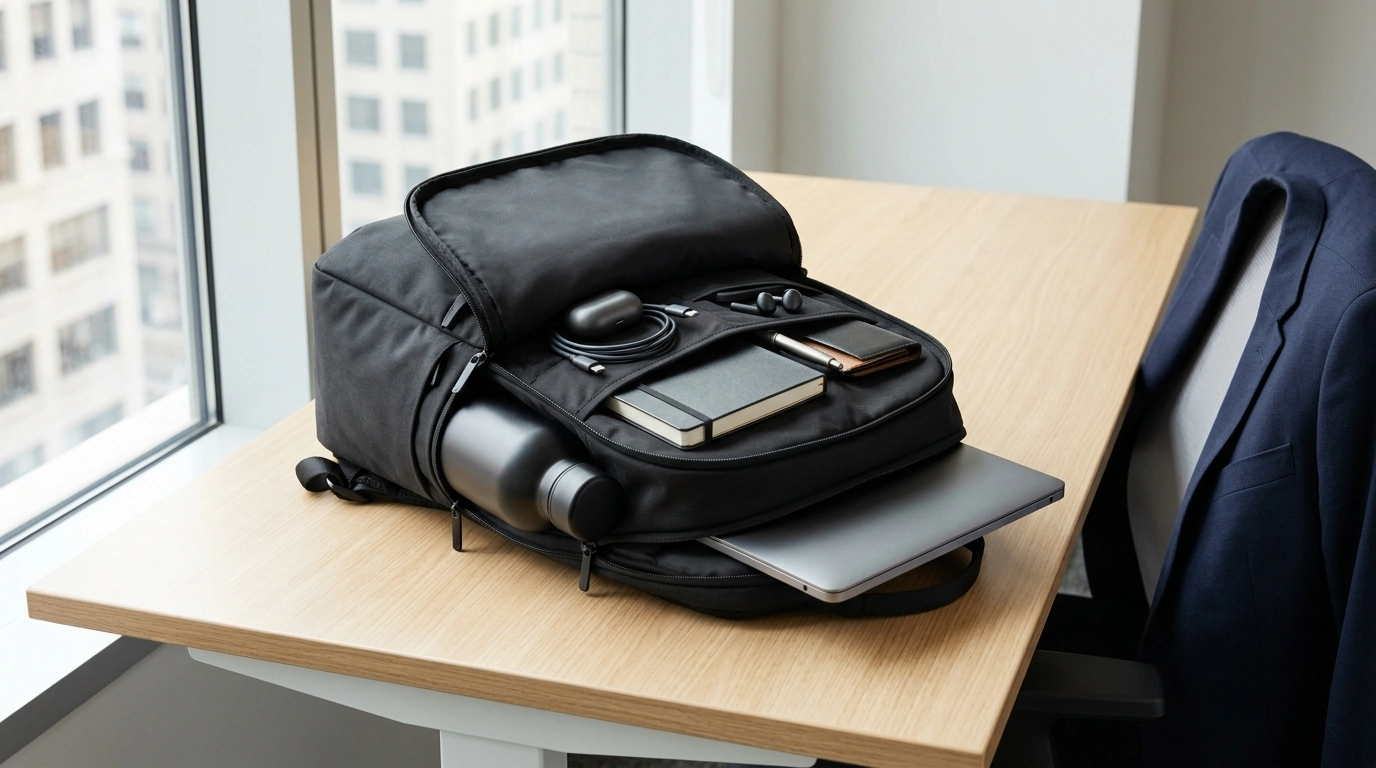
Piquadro Eco-Friendly Black Backpack: Laptop Protection, Smart Storage, and Daily Comfort
A streamlined black backpack can do a lot of heavy lifting—especially when it’s built for the realities of commuting, travel days, and office-to-weekend routines. The Piquadro Eco-Friendly Black Backpack is designed to keep tech protected, everyday items organized, and your carry comfortable without looking bulky or overly sporty. Its clean profile works with business casual, minimalist wardrobes, and smart travel setups, while the eco-friendly positioning adds a modern, lower-impact angle to a premium everyday essential. For more guidance, see Cote and Ciel Black EcoYarn Large Oril Backpack.
Quick overview
- Eco-conscious construction aimed at reducing impact while keeping a premium look
- Dedicated laptop compartment for safer carry during commutes and airport transits
- Multiple pockets to separate tech, documents, and daily essentials
- Clean black finish that fits business casual, smart travel, and minimalist wardrobes
- Good match for daily carry when organization matters as much as comfort
Design and materials
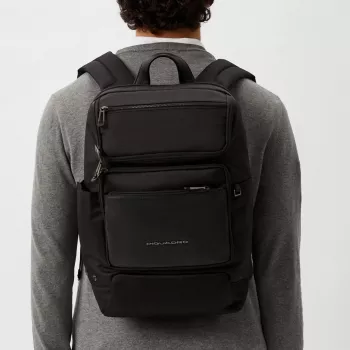
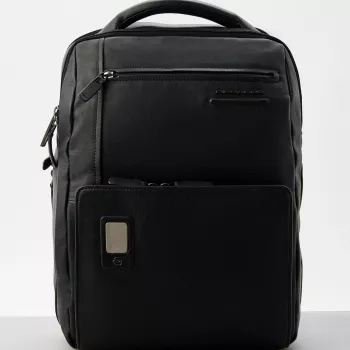
This backpack leans into a minimal, city-ready silhouette that stays polished in professional settings—useful when you’re moving between transit, the office, and meetings. The black exterior is also a practical choice: it pairs easily with most outfits and luggage, and it tends to hide minor scuffs better than lighter colors. For further reading, see Piquadro Zaini Porta Computer Amazon Zaino Donna Zaino ….
“Eco-friendly” in premium bags often means recycled fibers, lower-impact textiles, or more responsible production choices. If a specific certification is required for workplace standards or personal preference, confirm material details on the product page and look for recognized benchmarks such as Global Recycled Standard (GRS) or textile safety frameworks like OEKO-TEX® STANDARD 100.
A slightly structured build is a day-to-day advantage: the bag holds its shape when it’s not fully packed, which can make it easier to slide under a desk, keep documents neat, and avoid that “collapsed” look that some soft backpacks develop over time.
Laptop compartment and device safety
A separate laptop compartment is one of the most meaningful upgrades a backpack can offer for daily carry. It helps keep electronics away from heavier items like water bottles, chargers, and lunch containers—reducing the risk of pressure dents and corner bumps. When evaluating laptop safety, focus on two details: padding and fit.
- Padding: Look for cushioning on the compartment walls and along the bottom edge where impact is most likely if the bag is set down quickly.
- Snug fit: A laptop that shifts while walking or cycling is more likely to get jostled at the corners. A compartment that holds the device securely (even with a slim sleeve) usually feels calmer and more stable in motion.
If you also carry a tablet, use a dedicated pocket or flat sleeve to avoid pressure points from items stacked on top. For frequent flyers, having a consistent “tech zone” can also make gate-side access and security checks less fussy, since cables and devices aren’t buried under clothing.
Pocket layout and everyday organization
Multiple pockets are most valuable when they support a repeatable system—one zone for tech, one for paperwork, and one for personal items. This reduces the time spent digging through the main compartment and can help keep weight distributed so the backpack feels steadier on your back.
- Use smaller pockets for cables, a power bank, pens, and keys to prevent tangles and scratching.
- Keep a quick-access pocket for sunglasses, earbuds, a transit card, or hand sanitizer so you’re not constantly unzipping the main section.
- Reserve a more secure pocket for passport, spare card, or cash when traveling in crowded areas.
Suggested pocket setup for a typical workday
| Area | What to store | Why it helps |
|---|---|---|
| Laptop compartment | Laptop + slim sleeve | Reduces movement and protects corners |
| Main compartment | Notebook, light jacket, lunch container | Keeps bulky items away from electronics |
| Organizer pocket | Charger, cable kit, pen, small tools | Prevents tangles and saves time |
| Quick-access pocket | Phone, earbuds, transit pass | Fast reach without opening the main area |
| Small secure pocket | Passport, cash, spare card | Adds peace of mind in crowded places |
Comfort and carry for commuting
For daily use, comfort is often more important than maximum capacity. Strap padding and back-panel feel matter most when you’re walking several blocks, standing on public transit, or moving through a busy terminal. A stable fit reduces shoulder fatigue and helps keep the backpack from swaying—especially when you’re carrying a laptop and charger.
Best uses: work, travel, and weekend carry
Care tips to keep it looking new
Price and value considerations
In-stock picks to complete your daily carry
- Piquadro Eco-Friendly Black Backpack with Laptop Compartment and Multiple Pockets (In stock)
- Adidas Men’s White Sneakers (In stock)
- Birkenstock Women’s White Leather Slippers (In stock)
FAQ
What laptop sizes fit in the laptop compartment?
Check the product page specifications for the compartment’s exact dimensions and compare them to your laptop. To measure your laptop size, use the screen’s diagonal (corner to corner) and also confirm the device’s width and depth so it fits comfortably, especially if you plan to use a sleeve.
Is the backpack suitable for airplane personal item use?
It depends on your airline’s personal item limits, which can vary by carrier and ticket type. Compare the backpack’s listed dimensions to the airline requirements, and consider that organized pockets can make travel smoother by keeping essentials accessible without overpacking.
How should an eco-friendly backpack be cleaned without damaging the material?
Use gentle spot cleaning with mild soap and water, then air dry completely. Avoid bleach, strong solvents, and aggressive scrubbing; if you’re unsure, test cleaning on a small, inconspicuous area first.











Leave a comment