60L Waterproof Men’s Travel Backpack: Shoe Bag + Laptop
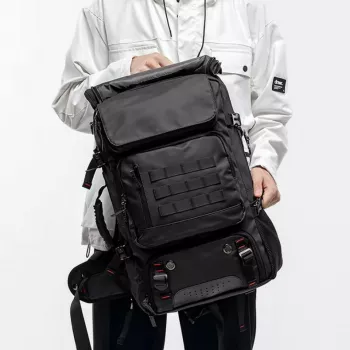
Waterproof 60L Men’s Travel Backpack with Shoe Bag and Laptop Compartment
A travel backpack earns its keep when it keeps gear dry, separates dirty shoes, and protects a laptop while staying comfortable under a full load. A waterproof (or highly water-resistant) 60L setup is built for real-life use: rainy curbside pickups, gym-to-office transitions, and multi-day trips where organization matters as much as space. Below is a practical breakdown of what to look for in a 60L backpack with a shoe bag and laptop compartment—plus a packing plan that makes the capacity feel easy instead of bulky.
What Makes This Backpack Travel-Ready
A 60L travel backpack sits in the “carry more, manage better” category. Instead of stuffing everything into one cavern, the right layout lets you separate clean clothes from shoes, keep tech protected, and grab essentials quickly.
- 60L capacity for multi-day packing: Enough room for packing cubes, a jacket layer, toiletries, and a few extras without fighting the zipper.
- Water-resistant build: Helps shield contents from rain, wet pavement, and everyday splashes during commutes.
- Dedicated shoe bag compartment: Keeps footwear away from clothing and electronics—especially helpful after workouts or long travel days.
- Laptop compartment: Adds structure and protection for work or school items, so a computer isn’t floating next to hard objects.
- Multiple pockets: A large main compartment plus secondary storage makes it easier to pack by category (clothes, tech, documents, accessories).
Capacity and Packing Plan for a 60L Bag
A 60L backpack can feel huge or perfectly organized depending on how you load it. The simplest method is a “zones” approach: each area has a job, so you don’t end up digging for a charger under shoes or wrinkling your clean shirt while searching for ID.
For a typical 3–6 day stretch, a balanced load often includes 3–5 tops, 2–3 bottoms, underwear/socks, a compact rain layer, a toiletries kit, chargers, and a small laundry bag. To make the carry feel lighter, place dense items (shoes, toiletry kit, power bank) closer to the back panel and avoid concentrating all weight at the bottom.
Simple Packing Zones for a Shoe + Laptop Travel Backpack
| Zone | Best For | Tips |
|---|---|---|
| Main compartment | Clothes, packing cubes, jacket | Roll or cube clothing to reduce wrinkles; keep one outfit accessible on top |
| Shoe bag compartment | Sneakers, dress shoes, gym shoes | Use shoe covers or a plastic bag for extra odor control; pack socks inside shoes |
| Laptop compartment | Laptop/tablet, documents | Add a slim sleeve if carrying fragile gear; avoid placing heavy items against the screen |
| Front pocket | Chargers, cables, pens, small items | Use pouches to prevent tangles and speed up security checks |
| Side pockets | Water bottle/umbrella | Keep liquids upright; dedicate one side to wet items if needed |
Keep a small “transit kit” in an easy-to-reach pocket: passport/ID, wallet, phone, headphones, a pen, hand sanitizer, and a snack. That one habit reduces stress at check-in counters, boarding gates, and hotel lobbies.
Waterproofing and Weather Protection
“Waterproof” backpacks vary in how they’re built. Many travel packs rely on water-resistant fabrics that handle light-to-moderate rain well, but seams and zippers are common leak points. For critical items like electronics or travel documents, a thin internal dry bag (or zip pouch) adds insurance without changing how you pack.
- Protect electronics by reducing pressure: Avoid overstuffing the laptop area—tight zippers can stress stitching and leave gaps for moisture.
- Dry it out after exposure: Open compartments and air-dry fully to prevent odor and mildew, especially around the shoe section.
- Plan for heavy rain: For long outdoor exposure, a compatible pack cover or a poncho that shields the whole bag can be more reliable than fabric alone.
For a quick reference on what’s allowed at checkpoints, the TSA’s guidelines can help you plan what stays accessible in your bag: TSA: What Can I Bring?.
Shoe Bag Compartment: Hygiene, Odor Control, and Convenience
Laptop Compartment and Tech Carry
- Make airport access fast: Don’t bury the laptop under dense packing cubes; keep the compartment easy to open for screening.
- Use a simple cable kit: USB-C cable, wall charger, adapter (if needed), and a small power bank for transit days.
- Follow battery safety guidance: Spare lithium batteries and power banks typically belong in carry-on luggage rather than checked bags—confirm details here: FAA: PackSafe—Batteries.
Comfort Under Load: Fit, Straps, and Carry Strategy
When a 60L Travel Backpack Is the Right Choice
Care and Maintenance for Long-Term Use
Product Options Available
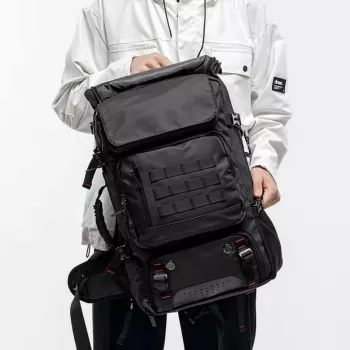
- Waterproof 60L Men’s Travel Backpack with Shoe Bag and Laptop Compartment — a large-capacity design centered on wet-weather protection, shoe separation, and dedicated laptop storage.
- Adidas Men’s White Sneakers — a travel-friendly extra pair that can ride in the shoe compartment while a second pair stays on-foot.
FAQ
Will a 60L travel backpack fit as a carry-on?
Carry-on limits vary by airline and route, so check the airline’s published cabin baggage dimensions before flying. Packing with compression and keeping outer pockets slim can help the bag fit within sizers when it’s permitted.
How can shoes be packed without making clothes smell?
Use the dedicated shoe bag compartment, and pack shoes only after they’ve had a chance to dry. Adding a small deodorizer sachet and using an extra shoe cover or plastic bag for sweaty or muddy shoes can further reduce odor transfer.
How should a laptop be protected inside a travel backpack?
Place the laptop in the dedicated compartment (ideally in a slim sleeve) and keep heavy items away from the screen area. Store chargers and power banks in a separate pouch to prevent scratches and reduce pressure on the device.













Leave a comment