Energy Management Example: Smarter Warehouse Operations
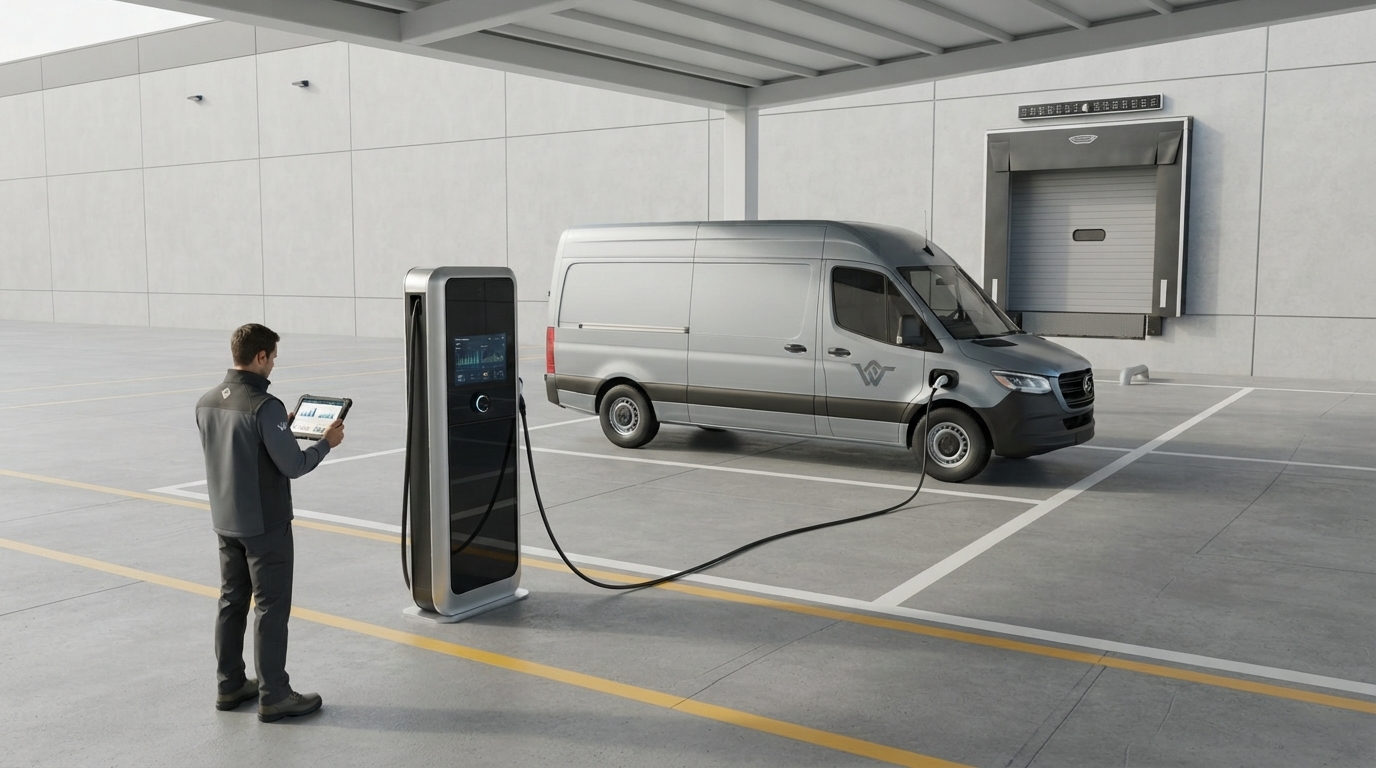
What is an example of energy management?
An easy, real-world example of energy management is a retail warehouse using an energy management system (EMS) to reduce electricity costs while keeping operations running smoothly. Instead of treating energy as a fixed overhead, the business measures where power is being used, sets targets, and adjusts equipment schedules and settings to eliminate waste.
Example: Managing HVAC, lighting, and equipment in a warehouse
Picture a 100,000-square-foot warehouse with offices, packing stations, and loading bays. The facility’s largest energy loads are typically HVAC, lighting, and material-handling equipment. A practical energy management plan might look like this:
1) Track and benchmark energy use
Smart meters and sub-meters monitor total usage plus key circuits (office HVAC, warehouse lighting, battery chargers, compressors). The team compares energy use against last month and against production volume to spot abnormal spikes.
2) Optimize schedules and setpoints
Instead of running HVAC at a constant setting, the EMS uses time-of-day schedules and occupancy patterns. Office areas follow business hours, while warehouse zones use wider temperature bands when staffing is low. The same idea applies to equipment: battery charging is shifted away from peak demand windows when possible.
3) Automate lighting controls
LED upgrades paired with motion sensors and daylight harvesting reduce unnecessary lighting in aisles and near loading doors. Lights dim automatically when natural light is strong and shut off when areas are unoccupied.
4) Maintain and improve continuously
Preventive maintenance (cleaning HVAC coils, fixing compressed-air leaks, calibrating sensors) keeps systems efficient. Monthly reviews identify the next improvement, such as adding variable-frequency drives to fans or tightening after-hours shutdown procedures.
That combination—measurement, control, operational changes, and ongoing refinement—is energy management in action. For a deeper breakdown and additional examples, visit https://epherian.com/what-is-an-example-of-energy-management/.
FAQ
What are common tools used in energy management?
Common tools include smart meters, sub-metering, building management systems, energy dashboards, and automated controls like occupancy sensors and programmable thermostats. These tools help identify waste, verify savings, and keep performance consistent over time.














Leave a comment