Budgeting Basics for Beginners: A Simple Plan That Sticks

What a Budget Does (and What It Doesn’t)
A budget is a plan for money you’ve already earned (or realistically expect to earn). It’s not a punishment and it doesn’t have to feel like a restriction tool. The best budgets are simple systems that create clarity: you know what’s coming in, you know what has to go out, and you decide—on purpose—what happens to the rest.
The real win is control. When your essentials are covered, goals are funded, and “surprise” expenses stop blindsiding your week, budgeting becomes less about stress and more about confidence. At the same time, a budget won’t magically fix a cash-flow problem. If the math doesn’t work, the budget helps reveal the truth: expenses need to shrink, income needs to rise, or both.
Success looks like consistency and awareness, not perfection. Some months will be messy. A budget that “sticks” is the one you can maintain and adjust without quitting.
Start With the Numbers: Income, Bills, and the Real Cost of Life
Before choosing any budgeting method, gather your baseline data. List every take-home income source (paychecks, side work, benefits) and note pay dates. If income varies, write down the lowest typical month so your plan stays realistic.
Next, review the last 30–60 days of spending using bank and credit card statements. This shows what your life actually costs—not what you hope it costs. Split expenses into fixed (usually the same amount and date) and variable (changes week to week). Finally, add irregular costs that sneak up: car repairs, gifts, annual fees, and medical co-pays.
| Category | Examples | How to estimate |
|---|---|---|
| Fixed | Rent/mortgage, phone plan, insurance, minimum debt payments | Use exact bill amounts |
| Variable | Groceries, fuel, eating out, entertainment | Average the last 1–2 months |
| Sinking funds | Car maintenance, holidays, annual renewals | Annual cost ÷ 12 |
| Goals | Emergency fund, extra debt payoff, saving for a trip | Pick a realistic starter amount |
If you want an extra layer of guidance as you collect numbers, the Consumer Financial Protection Bureau budgeting resources include practical worksheets and explanations that pair well with a first-time setup.
Choose a Simple Budget Method That Matches Your Brain
Budgeting methods are tools, not rules. Pick one you’ll actually check weekly.
Zero-based budgeting
You assign every dollar to a category—bills, groceries, savings, debt, and even fun—so nothing is “unassigned.” It’s great for people who want a clear plan and like knowing exactly where the money went.
50/30/20 guideline
This is a flexible baseline: roughly 50% needs, 30% wants, 20% savings/debt. It’s helpful if you’re overwhelmed and want a quick starting structure. Adjust the percentages to fit your reality (especially in high-cost areas).
Envelope-style categories (physical or digital)
You set caps for variable categories like groceries, dining out, and shopping. When the “envelope” is empty, spending stops (or you move money from another category intentionally). This method is excellent for preventing small overspends from turning into big month-end surprises.
Build Your First Budget in 30 Minutes
Use this setup once, then maintain it with short weekly check-ins.
Step 1: Write down monthly take-home income
If your income is variable, use a conservative average or your lowest typical month. Any “extra” can be assigned later.
Step 2: Pay must-haves first
Cover housing, utilities, basic food, transportation, insurance, and minimum debt payments. Think “keep life running” before anything else.
Step 3: Add sinking funds for irregular bills
Car repairs, annual subscriptions, birthdays, and holiday spending belong here. Treat them like monthly bills so they don’t end up on a credit card.
Step 4: Pick 1–2 goals
Common beginner goals include a starter emergency fund (even $500–$1,000), extra payments on high-interest debt, or saving for a known upcoming expense.
Step 5: Set realistic caps and include a buffer
Step 6: Schedule a weekly 10-minute check-in
Beginner Mistakes That Blow Up Budgets (and Easy Fixes)
Forgetting irregular expenses
Being too strict too fast
Not matching the budget to paydays
Treating credit card limits like extra income
Ignoring small leaks
If Income Changes or Feels Unpredictable
For take-home pay planning, the IRS Tax Withholding Estimator can help you avoid over- or under-withholding surprises.
Tools That Make It Easier to Stay Consistent
Set spending alerts for categories that tend to drift like groceries, dining, and shopping. Keep categories simple at first; you can always add more detail after the habit is established. If you’d like a structured learning boost, the FDIC’s free Money Smart financial education program is a solid, beginner-friendly resource.
A Ready-to-Use Framework for Budgeting Basics (Digital Download)
- The Beginner’s Guide to Taking Control of Your Money | How to Create a Budget for Beginners | Budgeting Basics Digital Download (digital framework for setting up categories and routines)
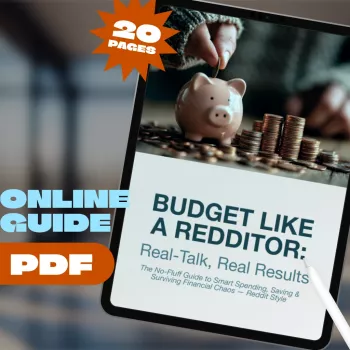
- Budget Like a Redditor: Real-Talk, Real Results | How to Budget Reddit-Style Guide | Digital Download eBook for Budgeting Help (straightforward, practical approach that emphasizes real-life tradeoffs)
FAQ
How much should a beginner put into savings while paying bills?
Start small and consistent, even 1–5% of take-home pay, while covering essentials and minimum debt payments. After your first month of tracking, adjust upward as you find realistic room and build toward an emergency fund.
What’s the easiest budgeting method for beginners?
The easiest method is the one you’ll review weekly—many beginners do well with simple zero-based categories or a 50/30/20 guideline. Keep it basic at first and refine after you’ve built the habit.
How do sinking funds work in a monthly budget?
Sinking funds turn irregular expenses into monthly savings by dividing the annual or seasonal cost by 12. You set aside that amount each month in a dedicated category so the expense doesn’t derail your budget when it arrives.















Leave a comment