Cordless 95oz Cat Water Fountain: Quiet, Battery Powered
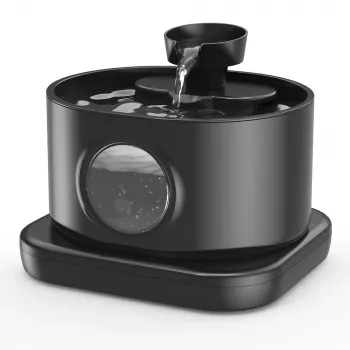
95oz Cordless Cat Water Fountain: Fresh Water Without Outlet Hassles
A cordless water fountain makes it easier to keep a reliable drinking spot wherever a cat naturally gravitates—by a favorite window, near a quiet corner, or away from food and litter. The 95oz Cordless Cat Water Fountain – Battery Powered & Ultra-Quiet Pet Feeder is built for flexible placement, low-noise circulation, and a capacity that suits many single- and multi-cat routines.
Many cats show more interest in moving water than a still bowl, and consistent hydration supports overall wellness. For general hydration basics, see the AVMA’s pet care guidance. For context on why hydration can matter for urinary health, Cornell’s feline health resources are also helpful reading: Feline Lower Urinary Tract Disease.
Quick overview
- Cordless, battery-powered design for flexible placement (kitchen, bedroom, office, RV)
- 95oz capacity helps reduce refill frequency for many cats and small pets
- Ultra-quiet operation aimed at noise-sensitive pets and light sleepers
- Circulating water can be more appealing than still bowls for some cats
- Designed for everyday use with routine cleaning and filter care
Key features that matter day to day
Cordless convenience that matches real cat habits
Cats often “vote” for a specific drinking spot—sometimes far from a convenient outlet. A cordless fountain lets you place water where your cat actually stops to sip, not where the nearest plug forces you to set it. This can be especially useful in small apartments, older homes with limited outlets, or rooms where cords would cross walkways.
Battery power for continuity
A battery-powered fountain can keep circulation going during brief power interruptions, while rearranging furniture, or when setting up a temporary station during travel. It also reduces the temptation to skip the fountain because the cord is inconvenient or unsightly—an underrated factor in long-term consistency.
Ultra-quiet operation for calmer homes
Noise matters: some timid cats avoid a fountain that hums or rattles, and some people notice water trickle sounds at night. A quieter fountain is more likely to remain “background quiet,” especially when placed on a stable surface and kept at the proper water level.
95oz capacity as a practical middle ground
At 95oz, this size typically means fewer refills than a standard bowl while staying manageable to carry to the sink. For many households, it’s a comfortable balance: enough volume to support daily routines, with a footprint that fits in common living spaces.
A dedicated water station can reduce competition
In multi-pet homes, a consistent water station can prevent the “empty bowl surprise” and reduce squabbles—especially if one pet tends to drink more or play with water. A fountain also helps keep water fresher between refills than an open bowl that collects dust and debris.
Where it fits best at home
- Apartments and small spaces: eliminates cord clutter and outlet-hunting; easier to keep walkways tidy.
- Multi-pet homes: provides a consistent water station that’s easy to locate and maintain.
- Senior cats: encourages more frequent sipping by keeping water fresh and accessible in a preferred room.
- Work-from-home setups: quiet circulation supports a calm environment near desks or bedrooms.
- Travel and temporary setups: helpful for short trips, guest rooms, or pet-sitting scenarios where outlets are limited.
Care, cleaning, and filter routine
Like any fountain, performance depends on simple habits: keep the water level adequate, clean on a schedule, and prevent hair buildup in the pump. If your cat sheds heavily, or if you have multiple pets sharing the fountain, plan on slightly more frequent upkeep.
- Rinse and refill: top off with fresh water as needed; keep the waterline above the minimum to support smooth circulation.
- Weekly wash: disassemble and wash parts with mild soap; rinse thoroughly to avoid residue.
- Pump upkeep: remove hair/debris buildup to maintain flow and prevent noise increases over time.
- Filter replacement: follow the product’s recommended schedule; replace sooner in multi-pet homes or dusty environments.
- Placement tip: keep away from litter areas to reduce dust tracking into the water.
Simple maintenance schedule (general guidance)
| Task | Typical frequency | Why it helps |
|---|---|---|
| Rinse and refill | Daily to every few days | Keeps water fresh and supports steady circulation |
| Wash fountain components | Weekly | Reduces biofilm and odor buildup |
| Clean pump intake/impeller area | Weekly (or as needed) | Maintains flow and quiet operation |
| Replace filter (if included/used) | Every 2–4 weeks | Improves taste and reduces debris |
Battery and placement tips for smoother operation
Is it a good match for your cat?
In-stock picks you can add to your cart
- 95oz Cordless Cat Water Fountain – Battery Powered & Ultra-Quiet Pet Feeder ($59.97)
- Adidas Men’s White Sneakers ($48.01)
- Birkenstock Women’s White Leather Slippers ($42.01)
FAQ
How often should a cat water fountain be cleaned?
A quick rinse and refill is helpful daily to every few days, with a full wash about once a week. Clean the pump area regularly to prevent hair and residue buildup, and increase frequency in multi-cat homes.
Are ultra-quiet cat fountains actually silent at night?
They’re usually very low noise during normal operation, but not truly silent. Sound often increases when the water level drops or when the pump needs cleaning, so topping off water and maintaining the pump helps keep things quiet.
Will a cordless, battery-powered fountain encourage my cat to drink more?
Many cats prefer moving, fresher-smelling water, so a fountain can help—though results vary by personality. A gradual introduction and keeping a backup bowl nearby during the transition tends to work best.












Leave a comment