Ultra-Light Baitcasting Reels: Finesse Setup & Tuning
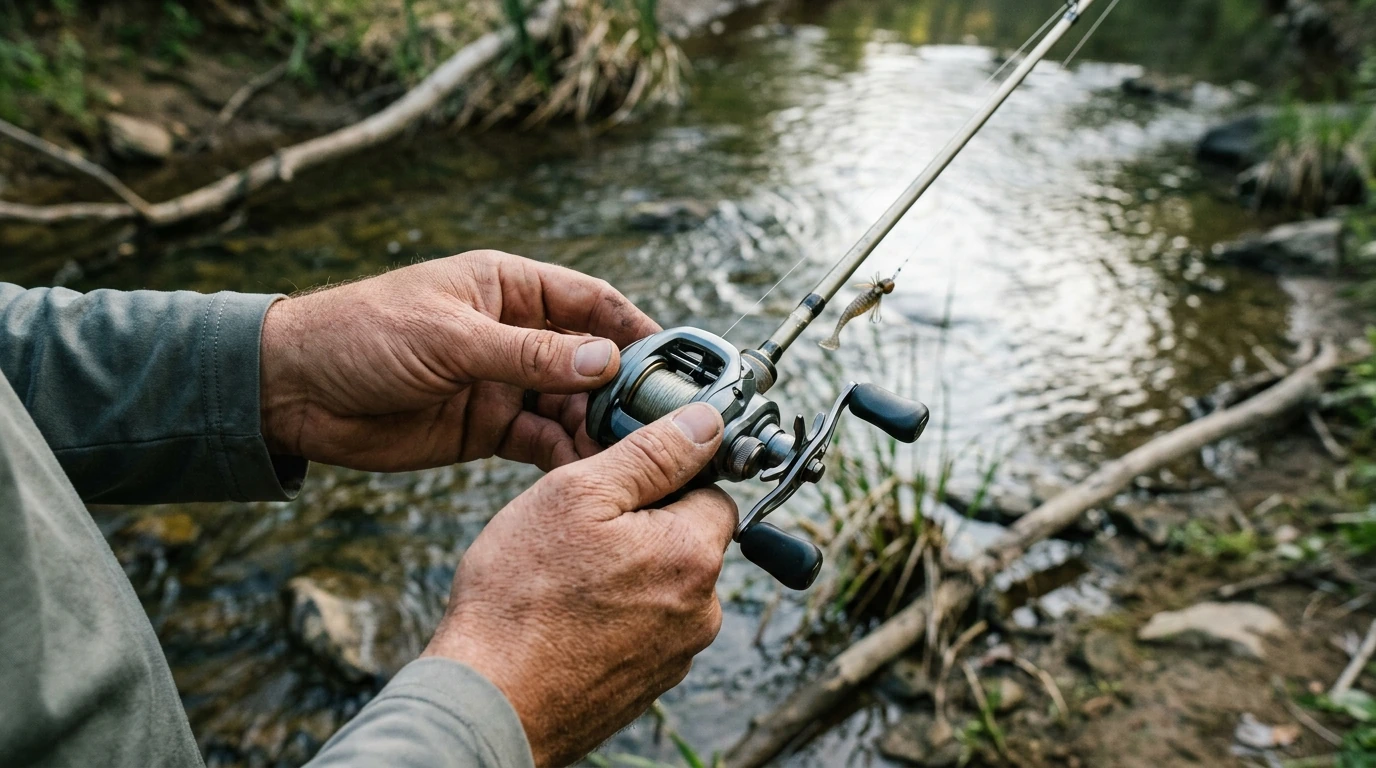
Ultra-Light Baitcasting Reels for Finesse Presentations
Ultra-light baitcasting reels are built for precise, low-effort casting with small lures while keeping the control and line management baitcasters are known for. With the right setup, it’s easier to skip under cover, land light baits quietly, and stay connected to subtle bites—without spending the day untangling overruns.
What Makes an Ultra-Light Baitcaster Different
Traditional baitcasters excel with heavier baits because the spool has enough momentum to stay stable. Ultra-light baitcasters shift that balance toward finesse by reducing spool resistance and improving adjustability.
- Low start-up inertia: A shallow, lightweight spool starts faster with small lures, helping casting consistency with roughly 1/16–1/4 oz presentations (varies by line and rod).
- Fine braking range: More usable adjustment lets you dial in control for light baits, wind shifts, and skipping.
- Compact, palmable frame: A smaller footprint reduces fatigue during high-cadence casting and target work.
- Drag smoothness at low settings: A steady, consistent drag protects light line and small hooks when fish surge close.
- Line management for thin diameter line: Better control when using light mono/fluoro and thin braid with leaders.
Best Uses: Where Ultra-Light Baitcasters Shine
Ultra-light baitcasters are most rewarding when accuracy matters and the lure is light enough that a soft entry and controlled fall get more bites.
- Creek and river smallmouth: Accurate casts to seams, eddies, and laydowns with small jigs and finesse plastics.
- Trout and panfish (where legal): Controlled drifts and pinpoint casts with micro spoons, small spinners, and tiny crankbaits. Always confirm local rules before targeting specific species or waters (see FWC freshwater regulations for an example of how regulations are organized).
- Dock and cover skipping: Low-profile reels paired with a short-to-medium rod can keep casts low and flat.
- Clear-water finesse: Light line, longer casts, and minimal splash help avoid spooking fish.
- Tight quarters: Roll casts and short pitches around brush, reeds, and narrow lanes.
Choosing the Right Setup
Rod pairing
A light or medium-light casting rod with a responsive tip helps the blank load on smaller lures. If the tip is too stiff, the rod won’t bend enough to “carry” the lure, and the reel will feel unforgiving.
Line choice
Gear ratio considerations
Handle and knobs
Left vs. right hand retrieve
Braking system tuning
Dialing In Cast Control (Without Constant Backlashes)
- Spool tension baseline: Set tension so the lure drops smoothly and stops without overrun when it hits the ground/water, then fine-tune with brakes.
- Brake-first adjustments: Use brakes for most day-to-day changes; keep spool tension near a “just right” baseline for that lure class.
- Match lure weight to the spool: Micro lures demand better rod loading and smoother casting strokes; below a reel’s comfort range, a spinning setup may simply be easier.
- Wind strategy: Add a touch of braking when casting into wind and keep the trajectory lower to reduce line lift. Weather shifts also influence fish activity; understanding pressure trends can help plan sessions (NOAA overview: barometric pressure basics).
- Skipping tips: Tighten braking, keep a smooth sidearm swing, and feather the spool lightly through the skip sequence.
Feature Checklist for Ultra-Light Baitcasting Reels
Quick Match Guide: Lure, Line, and Brake Starting Points
| Lure Class | Typical Lure Weight | Suggested Line | Brake Starting Point | Notes |
|---|---|---|---|---|
| Micro finesse | 1/16–1/8 oz | 6–10 lb braid + 4–6 lb leader | Higher | Focus on rod loading; keep casts smooth and low |
| Light finesse | 1/8–3/16 oz | 6–8 lb fluoro or 10 lb braid + leader | Medium-high | Great for small jigs, ned-style baits, small spinners |
| UL moving baits | 3/16–1/4 oz | 8–10 lb fluoro or 10–15 lb braid + leader | Medium | Ideal range for many ultra-light baitcasters; easier consistency |
| Skipping/targets | Varies | Braid + leader recommended | Medium-high | Increase brake for skips; thumb feathering is key |
Care and Longevity
- After dusty or sandy trips: Wipe the frame and levelwind area; keep debris out of the worm gear and line guide.
- Light lubrication schedule: Use a tiny amount of reel oil on bearings and levelwind as needed; avoid over-oiling that attracts grit.
- Check drag washers: Keep them clean and dry; don’t contaminate the drag with oil/grease unless the manufacturer specifies it.
- Line management: Replace leader sections often; inspect braid for fray and retie to prevent break-offs with light baits.
- Clean between waters: If you travel, rinse and dry gear to help prevent the spread of invasive species (see the U.S. Fish & Wildlife Service guidance on aquatic invasive species prevention).
Recommended Gear Picks
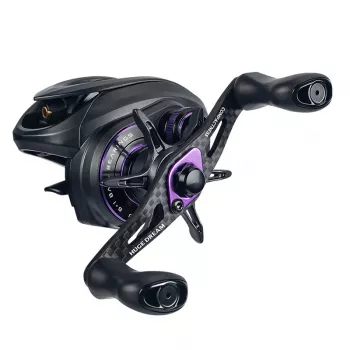
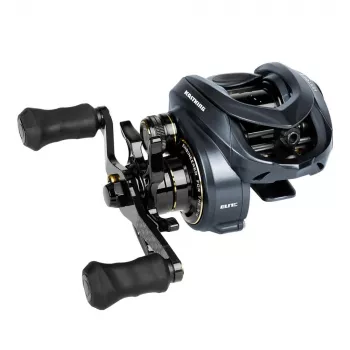
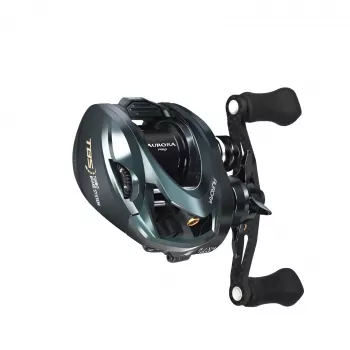
- Ultra-Light Baitcasting Fishing Reel — A compact option designed for light-lure presentations and controlled casting around cover.
- Carbon Trout Fishing Combo — A ready-to-fish setup for ultralight applications when a spinning platform is the better fit for micro baits and long drifts.
FAQ
What lure weights work best on an ultra-light baitcasting reel?
Most anglers get the easiest consistency from about 1/8 to 1/4 oz, with many setups feeling best as you approach 3/16–1/4 oz. Rod action and line diameter matter—thin line and a responsive tip help lighter lures cast more predictably.
Is braid or fluorocarbon better for ultra-light baitcasting?
Thin braid with a fluorocarbon leader is a common choice because it improves spool startup and sensitivity while keeping the leader stealthy. Straight fluoro or mono can be simpler for beginners and avoids leader knots that may catch on guides.
How do you reduce backlashes with small lures?
Start with higher brake settings, set a proper spool-tension baseline, and use smooth casting strokes rather than snapping the rod. Feather the spool with your thumb as the lure travels, and add braking when casting into wind or when skipping.













Leave a comment