Enclosed XL Stainless Steel Litter Box: Odor & Cleanup
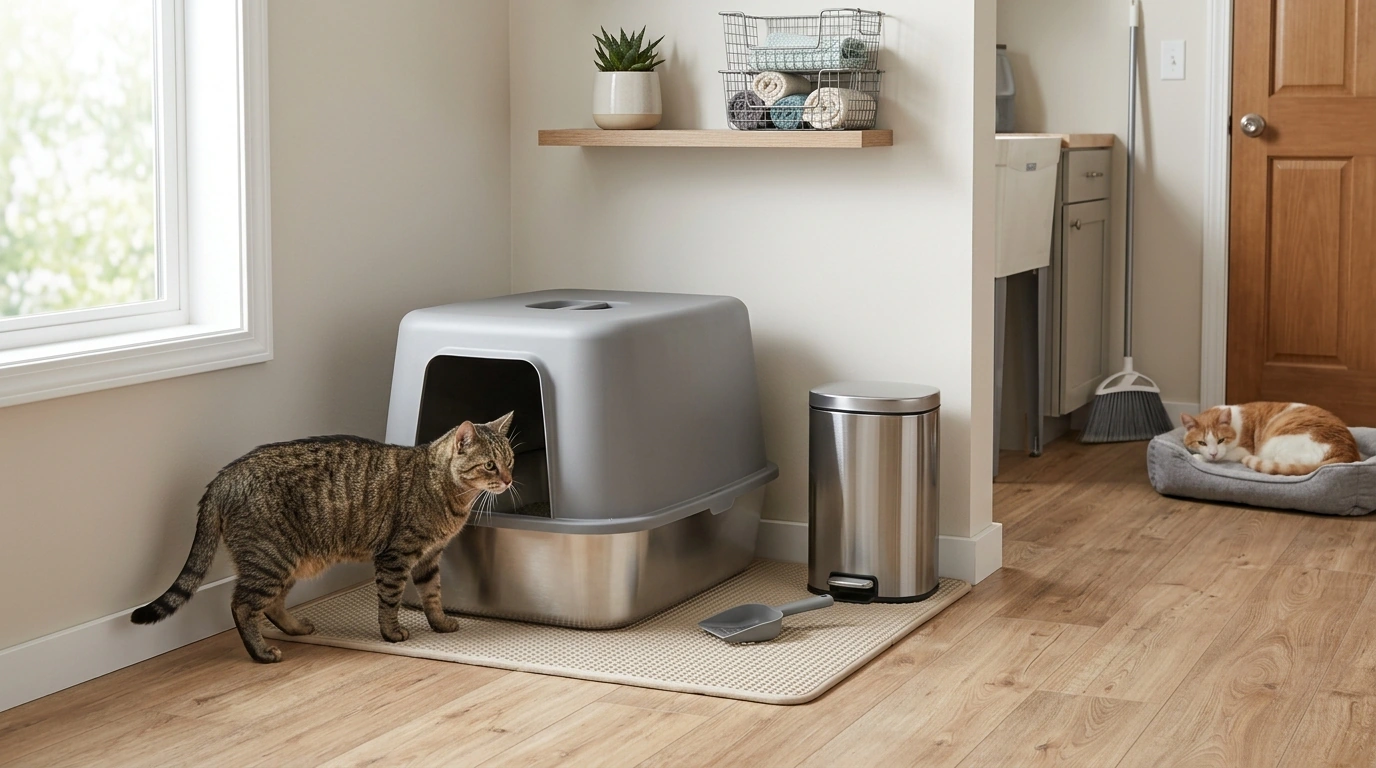
Stainless Steel Enclosed XL Cat Litter Box: Cleaner Odor Control, Easier Maintenance
An enclosed stainless steel litter box is built for homes that want less odor, fewer scratches, and faster daily cleanup—especially with larger cats or multi-cat routines. Stainless steel brings a non-porous surface that won’t “hold onto” smells the way worn plastic can, while an enclosed design helps keep scatter and visual mess more contained. The key is matching the box to your cat’s comfort, then setting up a routine that keeps humidity and buildup from developing inside the cover.
Why stainless steel changes the litter box experience
Stainless steel is a practical upgrade when odor and long-term cleanliness are top priorities. Unlike many plastic pans that can develop micro-scratches, a quality steel box stays smoother over time, so residue has fewer places to cling.
- Lower odor absorption: A non-porous surface helps reduce odor absorption, so deep cleaning is more effective.
- Scratch resistance: It resists gouges that can trap waste and bacteria, helping the box stay fresher longer.
- Cleaner disinfecting: It supports stronger cleaning approaches (used safely) and rinses without lingering “old box” smell.
- More stability: Steel is typically heavier than plastic, which can reduce sliding when cats dig and cover.
What an enclosed design improves (and what it can complicate)
Covered boxes can be a big win for tracking control and aesthetics, but they’re not magic. Odor control still depends on scooping frequency and litter choice.
- Less scatter: An enclosure helps contain kick-out for cats that dig aggressively.
- Less “room spread”: Smells may stay more localized instead of traveling as quickly through open spaces.
- Watch humidity: Limited ventilation can increase humidity inside, making regular scooping even more important.
- Cat comfort matters: Some cats dislike covered spaces; a gradual transition can prevent avoidance.
If litter box avoidance starts, it’s worth reviewing established guidance on behavior and medical factors from trusted resources like the ASPCA’s litter box problem guide.
XL sizing: comfort and posture for bigger cats
XL boxes aren’t just “extra space”—they help cats maintain a natural posture. Bigger cats often need room to turn fully, squat without touching the sides, and cover without hitting a low roof.
- Better movement: More interior space supports turning and covering without bumping walls or the lid.
- Fewer edge accidents: Extra room can reduce misses that happen when cats perch on the edge because they feel cramped.
- Multi-cat practicality: Larger boxes can help in multi-cat homes, but only when paired with enough boxes and a consistent routine.
- Entry height counts: Seniors, short-legged breeds, and post-surgery cats benefit from a manageable threshold or step.
Quick feature snapshot: stainless steel vs plastic vs disposable
Material and design choices shape how odor, scratches, and cleaning effort add up over months of use.
| Option | Odor absorption over time | Scratch resistance | Deep-clean effort | Typical downsides |
|---|---|---|---|---|
| Stainless steel (enclosed) | Low | High | Fast rinse + wipe; periodic sanitizing | Heavier; some cats need adjustment to a cover |
| Plastic (covered) | Medium to high (varies by quality/age) | Low to medium | May retain smell in scratches; may need replacement | Can warp or hold odor over time |
| Plastic (open pan) | Medium to high (varies) | Low to medium | Easy access for cleaning; more odor spread | More tracking and scatter; less containment |
| Disposable liners/pans | Varies | Not applicable | Convenient short-term | Ongoing cost; waste; may still need odor control |
Daily and weekly cleaning routine that keeps odors down
Odor control is mostly a schedule problem, not a “stronger fragrance” problem. A consistent routine prevents ammonia buildup and reduces the need for harsh cleaners.
When accidents or sudden changes happen, rule out health issues and review veterinary-backed basics from the Cornell Feline Health Center.
Litter pairing: what works well with stainless steel enclosed boxes
Introducing a covered box without creating litter box avoidance
Where to place an enclosed litter box for best results
- Quiet, low-traffic spot: Choose an area with an easy escape route; avoid tight corners where cats feel trapped.
- Away from food/water and noise: Keep distance from feeding stations and loud appliances.
- Add a catch zone: Use a mat outside the entry; consider a washable runner for high-tracking cats.
- Multi-cat setup: Spread boxes across different locations to reduce guarding and competition. General feline care guidance from the AVMA can help with broader home routines.
Stainless Steel Enclosed XL Cat Litter Box: who it suits
Product details and what to check before buying
Shop in-stock picks
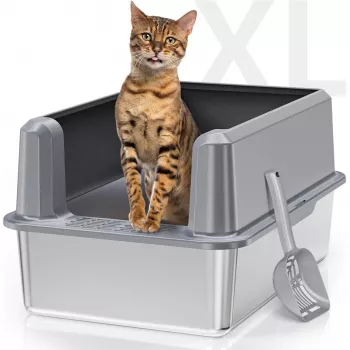
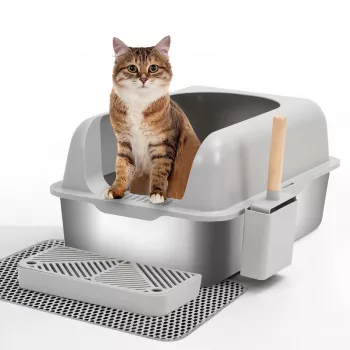
- Stainless Steel Enclosed XL Cat Litter Box — a durable, enclosed option designed for better odor control and easier wipe-clean maintenance.
- Birkenstock Women’s White Leather Slippers — easy slip-on footwear for quick scooping and cleanup runs, especially in multi-cat homes.
- Adidas Men’s White Sneakers — a simple, wipe-friendly everyday shoe option for household errands and pet care routines.
FAQ
Is stainless steel better than plastic for litter box odor?
Stainless steel is non-porous, so it’s less likely to absorb smells and stains the way scratched plastic can. Daily scooping and periodic deep cleaning still matter most because odors primarily come from waste and dirty litter.
Will a covered litter box make odor worse?
A cover can trap odors inside the enclosure between cleanings, so frequent scooping is essential. Many homes still find overall room odor improves because smells don’t spread as quickly from an open pan.
How do you get a cat to use an enclosed litter box?
Transition gradually by starting with the cover off or the flap removed, and keep the box in the same location. Keep it very clean, and if stress or accidents appear, go back to an open setup temporarily while you slow the transition.











Leave a comment