Portable Folding Beach Chair Buying & Care Guide
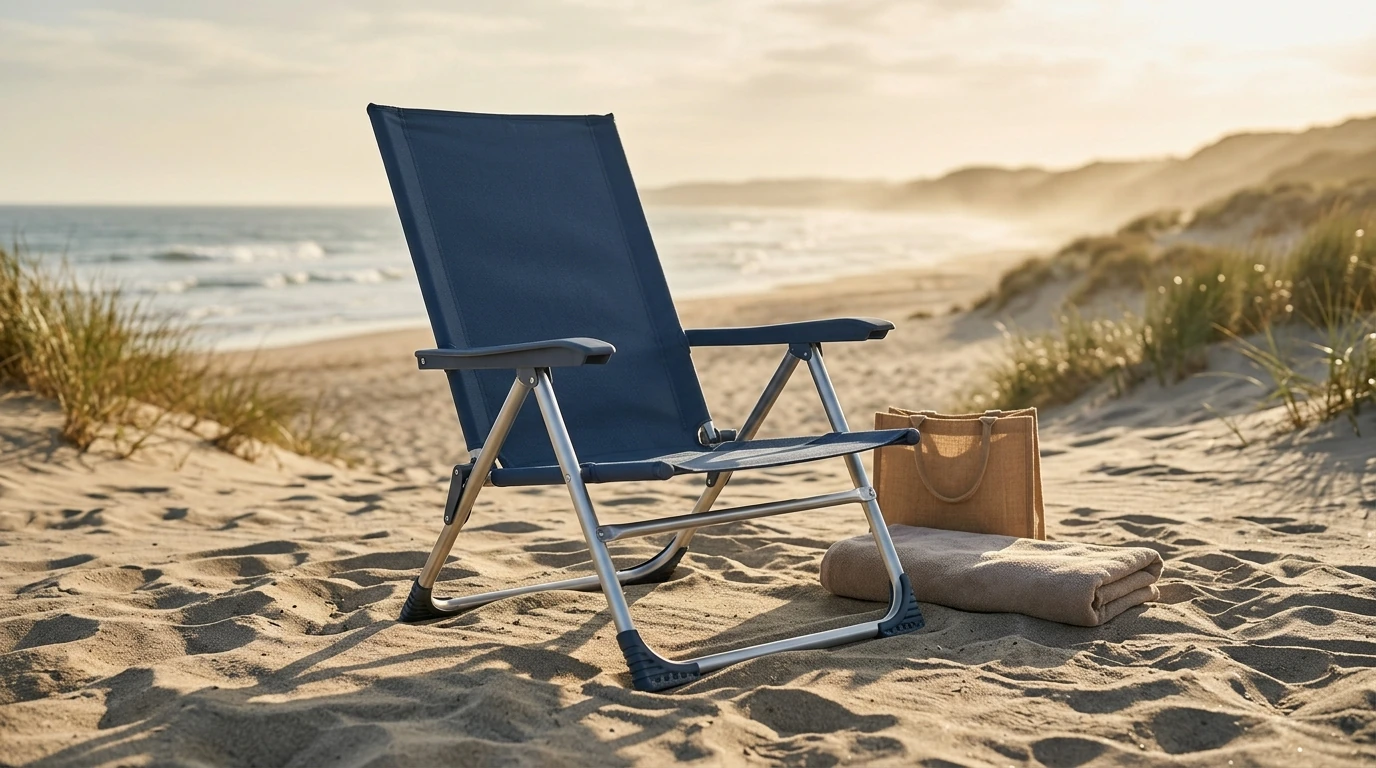
Portable Folding Beach Chair: Comfort That Packs Up Fast
A beach chair earns its spot in the trunk when it’s comfortable for long sits, quick to set up, and easy to carry back across sand. The right portable folding chair should feel supportive at hour three, stay stable when the ground shifts, and fold down without becoming a bulky hassle. Below is a practical guide to what to check before buying, how to use a folding chair well at the shore (or anywhere outdoors), and how to keep it in great shape between trips. For more guidance, see 3 Best Beach Chairs of 2026, Evaluated and Reviewed.
At-a-glance overview
- Built for grab-and-go seating at the beach, lakefront, campsite, or outdoor events
- Folding design helps reduce bulk for storage and transport
- Before the first outing, confirm key details on the product page: folded size, chair weight, weight limit, and whether any carry handle/strap is included
Quick checklist before buying
| What to check | Why it matters at the beach | What to look for |
|---|---|---|
| Weight limit | Safety and long-term durability | A rating that fits the main user plus any gear occasionally placed on the seat |
| Chair weight | Carry comfort across sand and parking lots | Light enough to carry one-handed without straining shoulders |
| Folded dimensions | Fits in the trunk, closet, or RV storage | Compact fold that stores flat or upright without tipping |
| Seat height | Ease of standing up; comfort for knees/hips | A height that matches the user’s mobility needs (low for lounging, higher for easier standing) |
| Recline/angle options | All-day comfort and nap-friendly positioning | Multiple back positions or a supportive fixed angle |
| Fabric and frame materials | Performance in sun, salt air, and sand | Corrosion-resistant frame and fabric that dries quickly |
Comfort and support for long beach days
Comfort is more than “soft vs. firm.” It’s about how the chair supports your posture while you read, snack, or watch the water for hours.
- Look for a back angle that supports relaxed posture without forcing the head forward. If you tend to look down at a book or phone, a slightly more upright position can reduce neck fatigue.
- Seat depth should support thighs without pressing behind the knees—especially important for extended sitting. If the seat edge digs in, legs can feel numb faster.
- Arm support matters when getting in and out of the chair; sturdier arm construction typically feels more stable on uneven sand.
- If the chair includes a headrest, lumbar support, or padded zones, confirm placement and adjustability so it matches the user’s height (a pillow that hits the wrong spot can be worse than none).
Portability and setup on sand
A folding chair can look compact online, then feel awkward in real life—especially when it’s windy and you’re balancing a tote, towel, and drinks.
- A good folding mechanism should open and lock smoothly without pinching fingers; practice once at home so the first “setup” isn’t at the edge of the surf.
- On soft sand, wider feet or stable contact points reduce sinking and wobble. If you frequently sit close to wet, packed sand, stability can feel dramatically better.
- Check whether the folded chair is easy to carry: balanced grip point, manageable length, and a profile that won’t snag on towels and bags.
- Plan how it will be carried with other essentials (cooler, umbrella, tote); a chair that carries close to the body is easier in wind.
Durability in sun, salt, and wind
Coastal conditions are hard on outdoor gear. Salt air, UV exposure, and airborne sand can shorten the life of hinges, fasteners, and fabric if the materials aren’t up to the task.
- Coastal environments accelerate wear; prioritize corrosion resistance and hardware that won’t seize over time.
- Fabric should handle UV exposure and dry quickly after splashes; darker colors can run hotter in direct sun, which can affect comfort on cloudless days.
- Inspect stitching, seat corners, and any hinge points regularly—these areas typically show stress first.
- Avoid leaving a chair open and unattended in gusty conditions; sudden wind can flip frames and bend components.
For day-to-day sun safety while you lounge, check the NOAA UV Index before heading out, and follow the FDA’s sunscreen guidance for better coverage during long beach stays.
Best ways to use it: beach, lake, camp, and events
When you’re spending the day outdoors, it also helps to pack and dispose of trash responsibly; Leave No Trace guidance offers simple habits that keep beaches and parks cleaner.
Care, cleaning, and storage
Value and what to confirm before checkout
In-stock picks to round out your beach setup
- Portable Folding Beach Chair for grab-and-go seating that folds down fast for storage and transport.
- Adidas Men’s White Sneakers for a clean, versatile pair that works beyond the shoreline.
- Carbon Trout Fishing Combo if the day’s plan includes casting from the bank between swim breaks.
FAQ
How much weight can a portable folding beach chair hold?
Weight limits vary by design and frame construction. Use the manufacturer’s stated capacity on the product page and avoid exceeding it, especially when placing extra gear on the seat.
Can a folding beach chair be used near saltwater without rusting?
Many are suitable for coastal use, but salt accelerates corrosion. Rinse with fresh water after exposure, dry completely, and store indoors to extend the frame and hardware life.
What’s the easiest way to remove sand from a folding chair?
Shake the chair out before folding, brush seams and hinges with a soft brush, and wipe contact points with a damp cloth so sand doesn’t grind into moving parts.













Leave a comment