22-Pocket Adjustable Tool Belt Pouch for Trades
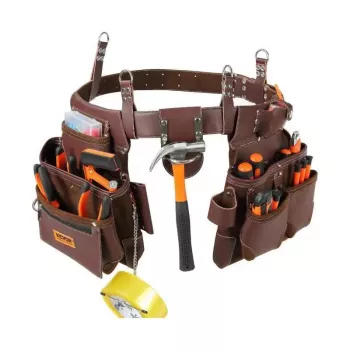
Adjustable 22-Pocket Tool Waist Belt Pouch for Electrician, Carpenter & Handyman
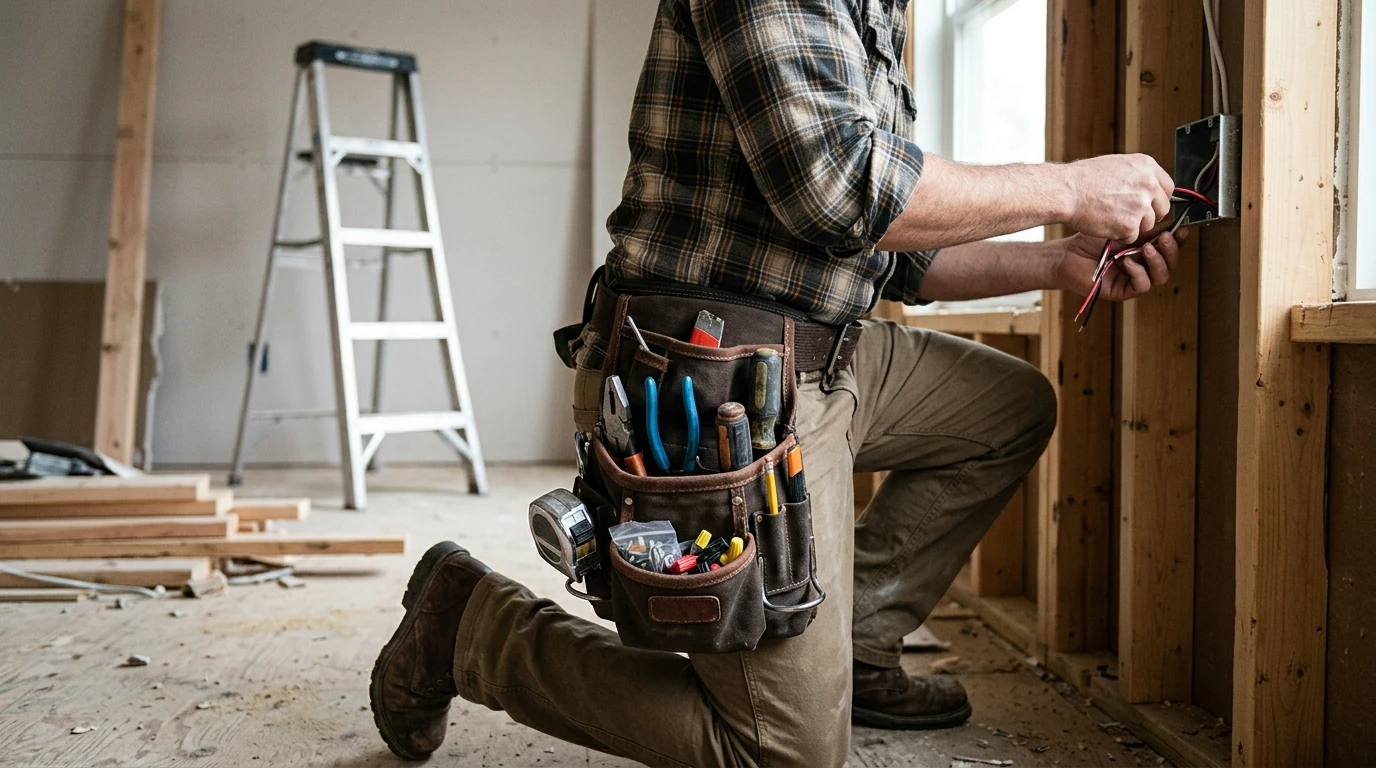
A well-built waist belt pouch keeps core tools within reach, reduces trips up and down ladders, and helps organize fasteners and hand tools by task. This adjustable 22-pocket setup is designed for busy trade work—electrical rough-in, trim carpentry, service calls, and general repairs—where speed and safe access matter. When your layout stays consistent, you waste less motion, drop fewer parts, and spend more time finishing the work in front of you.
What This 22-Pocket Waist Belt Pouch Is Built For
This style of waist pouch shines when the job calls for mixed loads and frequent tool swaps—exactly what electricians, carpenters, and handymen deal with on most days.
- Fast-access organization for mixed loads: hand tools, fasteners, connectors, and small parts
- Day-to-day trade use: electrical service work, framing/finish carpentry, maintenance, and punch-list jobs
- Waist-mounted carry that keeps tools accessible without occupying hands
- Pocket variety that supports sorting by size and frequency of use (everyday tools vs. occasional tools)
Instead of “one big dump pocket,” a multi-pocket layout lets you separate what you grab every minute (tape, driver, strippers) from what you only need occasionally (extra bits, anchors, specialty connectors). That separation is what keeps the belt feeling light and predictable, even when it’s fully loaded.
Pocket Planning: Setups That Stay Consistent All Day
The most effective tool belts aren’t just packed—they’re planned. A repeatable system reduces mental load and prevents misplacing small parts at the worst moment.
- Assign “zones” so tools return to the same pocket every time (dominant-hand side for most-used items).
- Use deeper pockets for heavier tools and reserve smaller pockets for bits, screws, wire nuts, and anchors.
- Keep sharp points and cutting edges in dedicated sleeves/pockets to reduce fabric wear and accidental contact.
- Leave one pocket intentionally empty for jobsite pickup items (labels, small brackets, spare hardware).
Example Pocket Loadouts by Trade
| Trade focus | Carry essentials | Small-parts pockets | Best practice |
|---|---|---|---|
| Electrician | Linesman pliers, wire strippers, voltage tester, tape measure | Wire nuts, connectors, screws, cable ties | Keep tester in a repeatable spot; separate connectors by type/size |
| Carpenter | Hammer, speed square, tape measure, utility knife | Finish nails, shims, bits, pencil refills | Put nails on non-dominant side to free dominant hand for tool use |
| Handyman | Multi-bit screwdriver, pliers, mini level, tape measure | Anchors, assorted screws, hooks, picture hardware | Group parts by room/task to avoid mixing hardware |
Comfort and Fit: Adjustability That Matters on Long Jobs
An adjustable belt pouch should feel stable when you walk, climb, kneel, and twist. The goal is close-to-body carry without pinching or restricting movement.
- Choose a snug fit that prevents bouncing when walking or climbing; retighten after the first 10 minutes as the belt settles.
- Balance left/right weight to reduce hip fatigue; place heavier tools opposite the dominant hand if needed.
- Position the pouch so pockets don’t collide with thigh movement when kneeling or stepping up.
- If layering clothing changes seasonally, recheck belt adjustment and pocket placement for clearance and comfort.
A practical tip: load the belt the way you actually work, then do a short “movement check”—step up onto a rung, squat, kneel, and reach overhead. If anything jabs or swings, shift that item to a deeper pocket or move it slightly rearward.
Durability Checks Before Putting It Into Rotation
Before a pouch becomes part of your daily kit, give it a quick inspection under realistic load. Small issues show up early when pockets start carrying dense fasteners and heavy hand tools.
- Inspect stitching at pocket corners and stress points; these areas take the most load during repeated grabs.
- Check pocket edges for reinforcement where tool clips and tape measure hooks repeatedly rub.
- Confirm the belt and buckle/closure hold under a realistic load (carry the tools used on a typical job).
- Avoid overloading a single pocket with dense fasteners; spread weight across multiple pockets to reduce strain.
If you routinely carry screws, anchors, and connectors, distributing them across two or three pockets helps the pouch keep its shape and reduces seam stress when you bend or kneel.
Safe Use on Ladders, Lifts, and Tight Spaces
A belt pouch can improve ladder efficiency, but only if it’s set up to avoid snags and maintain stable movement. For ladder work, follow recognized safety guidance such as OSHA Stairways and Ladders (1926 Subpart X) and the NIOSH Ladder Safety recommendations.
Care and Maintenance to Extend Service Life
Product Options
- Adjustable 22-Pocket Tool Waist Belt Pouch for Electrician, Carpenter & Handyman (In stock) — an adjustable 22-pocket configuration suited for organizing hand tools and small parts for quicker access during tasks.
- Adidas Men’s White Sneakers (In stock) — a comfortable everyday shoe option that can pair well with lighter-duty shop and indoor jobsite work where clean footwear is preferred.
FAQ
How should a tool belt pouch fit to prevent bouncing while walking or climbing?
Wear it snug on the waist so it can’t slide down, then retighten after about 10 minutes once the belt settles. Balance the load left-to-right and position the pouch so pockets don’t hit your thighs when stepping up or kneeling.
What tools should stay on the belt versus in a toolbox?
Keep frequent-use hand tools and the small parts you reach for constantly on the belt, and store heavy or rarely used tools in a toolbox. This prevents overload, improves mobility, and makes ladder and lift work less awkward.
How can pockets be organized so small fasteners don’t get mixed together?
Assign dedicated pockets by category and size (for example: anchors, wood screws, machine screws, and connectors), and keep that layout consistent. At the end of the day, empty pockets, return extras to labeled storage, and reset the belt so you start clean the next morning.














Leave a comment