Podiatrists on New Balance: Support, Fit, and What to Avoid
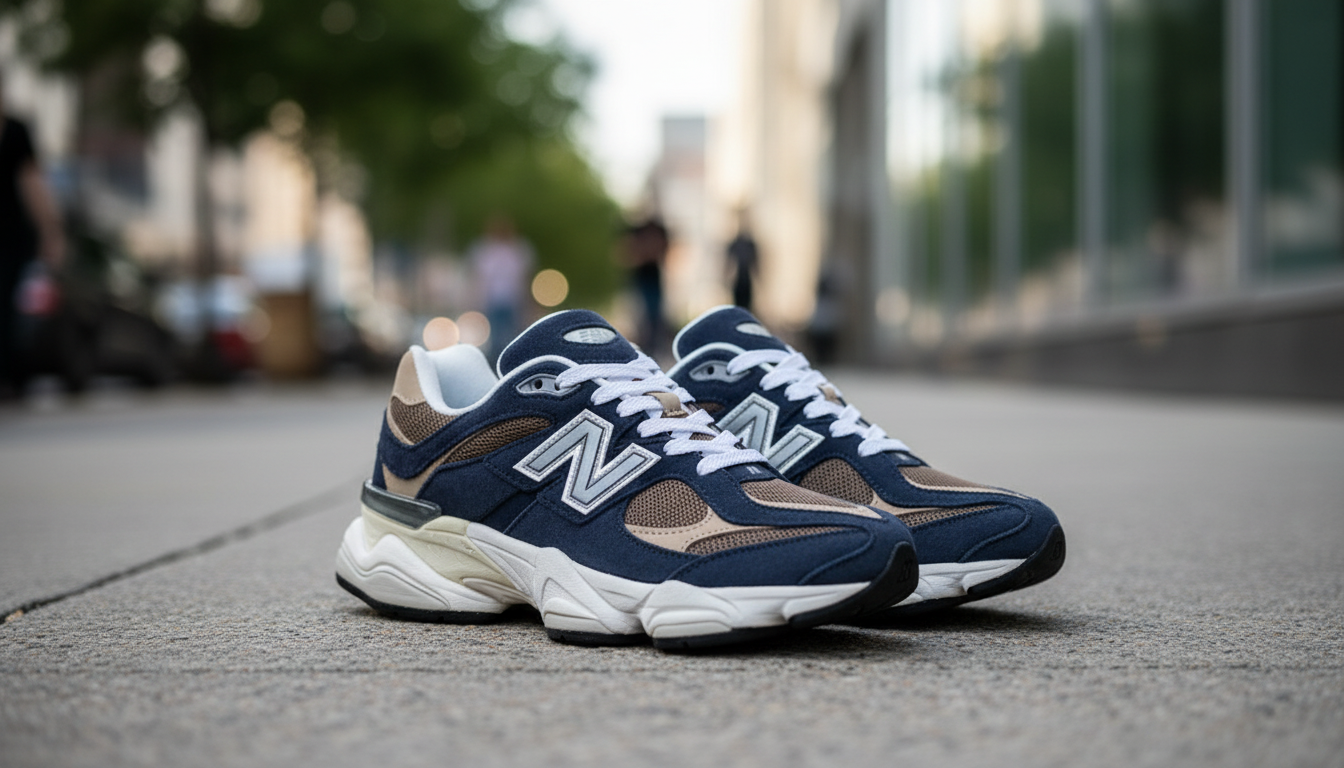
What do podiatrists say about New Balance?
Podiatrists often speak positively about New Balance because many of the brand’s shoes check practical boxes that matter for foot health: reliable cushioning, stable heel counters, supportive midsoles, and a wide range of widths for a more precise fit. That combination can help reduce common complaints like heel pain, arch fatigue, and forefoot pressure—especially when the shoe matches your foot shape and activity.
Why New Balance gets recommended so often
Foot specialists frequently prioritize three things: fit, stability, and shock absorption. New Balance models are widely available in multiple widths (including wide and extra-wide in many lines), which can be helpful for bunions, wider forefeet, or swelling. Many styles also feature a structured heel area that helps limit excessive side-to-side movement, plus cushioning that softens impact during long days on your feet.
What podiatrists still want you to watch for
No brand is automatically “best” for every foot. Podiatrists commonly warn that a soft shoe without enough structure can feel good briefly but may allow overpronation or increase fatigue over time. They also recommend confirming toe-box room (so toes can splay naturally), checking that the heel doesn’t slip, and replacing shoes once the midsole feels packed down. If you wear orthotics, choosing a model with a removable insole and enough depth can make a big difference.
How to choose the right New Balance pair
Start with the fit: aim for about a thumb’s width of space in front of your longest toe and a secure midfoot wrap. Then match the build to your needs—more stability for flat feet or overpronation, and balanced cushioning for all-day wear. For a practical look at fit tips and care (including women’s blue leather options), see the full guide here: https://epherian.com/guide-new-balance-womens-blue-leather-sneakers-fit-care/.
FAQ
Are New Balance shoes good for plantar fasciitis?
Many people with plantar fasciitis do well in supportive New Balance styles that combine firm midfoot support and cushioning. A secure heel and proper arch support (built-in or via orthotics) are usually more important than the brand name.















Leave a comment