9.2mm Beryllium-Coated IEMs: Clarity, Bass, Fit
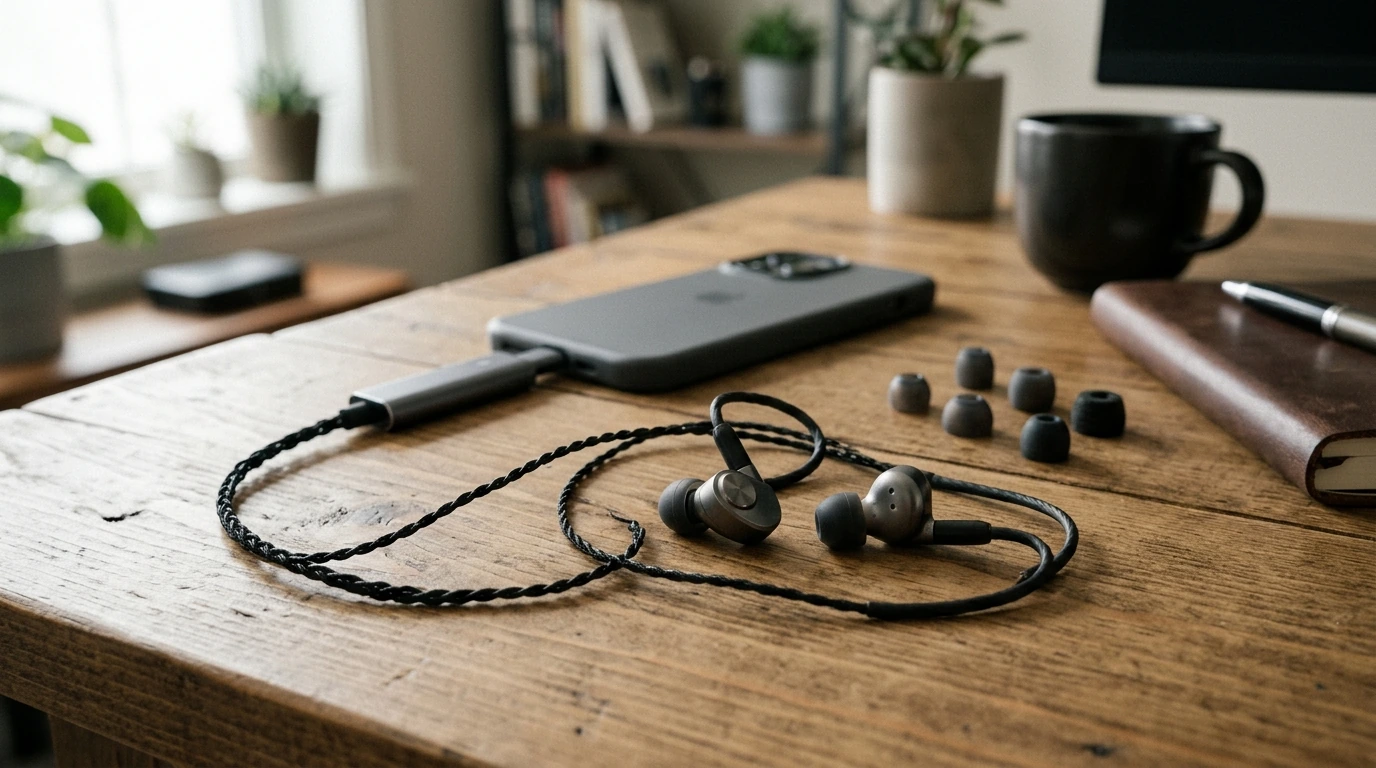
These in-ear headphones are built around a 9.2mm beryllium-coated dynamic driver—an approach favored for fast transient response, strong bass control, and a cohesive single-driver presentation. The result is a clean, detailed listen that aims to balance impact and clarity for everyday use, commuting, focused listening, and portable setups.
What the 9.2mm beryllium-coated driver brings to the sound
A beryllium-coated diaphragm is designed to stay rigid while remaining light, which helps the driver start and stop quickly and can reduce unwanted resonances that blur detail. In practice, that “speed” often shows up as tighter kick drums, cleaner bass guitar lines, and crisper leading edges on percussion—especially on well-mastered recordings.
Because this is a single dynamic driver design, there’s no crossover handoff between multiple drivers. That tends to keep timbre consistent from bass through treble, so vocals and instruments can sound more continuous and “of a piece” rather than stitched together.
The 9.2mm size sits in a practical middle ground: enough diaphragm area to move air for satisfying low-end, while still staying responsive for vocal articulation and cymbal definition. Fit still matters as much as hardware; a proper seal is the difference between punchy, controlled bass and a thin presentation.
Design, comfort, and fit basics that affect performance
In-ear isolation reduces ambient noise, which can make fine details easier to hear at lower volumes. That’s helpful for commuting or office use, where turning up the volume to “beat the environment” can lead to fatigue faster.
Ear tips are the hidden tuning tool. A more secure seal typically increases bass presence and stabilizes imaging (the sense of where instruments sit). Comfort comes down to nozzle angle, housing shape, and cable routing; a stable fit prevents tiny movements that break the seal and change the tonal balance mid-song.
Quick fit checklist
| Goal | What to try | What you should hear |
|---|---|---|
| More bass | Larger silicone tip or foam tip | Bass becomes fuller without needing higher volume |
| Clearer vocals | Slightly deeper insertion / different tip shape | Voices move forward; less “hollow” tone |
| Less sharpness | Shallower insertion or softer material tips | Treble smooths without losing clarity |
| Better isolation | Foam tips or a tighter seal | Less outside noise; easier low-volume listening |
Where these earphones fit in a listening setup
Phone listening: A modern smartphone can drive many in-ears adequately, but the cleanest results come from staying below max volume to avoid distortion. If a track sounds “smeared” on big bass hits, lowering volume a notch and improving the seal often fixes more than chasing louder levels.
Portable dongle DAC/amp: A small USB-C or Lightning dongle can lower the noise floor and improve perceived dynamics and channel separation on some phones and laptops. This can be especially noticeable with quieter passages and reverb tails, where a faster driver’s texture comes through.
Laptop/desktop: For focused work sessions, passive isolation helps reduce distractions without pushing volume. High-bitrate streaming can sound excellent, but lossless files often make transients and micro-detail easier to perceive—useful if you enjoy picking out room ambience, pick noise, or backing harmonies.
Sound signature guide: what to listen for on familiar tracks
Bass: Listen for definition, not just quantity. A controlled low end keeps kick drum impact while preserving pitch separation on bass guitar or synth lines—so the bass feels like notes, not a single thump.
Midrange: Vocals should sound continuous and natural, without the “two different speakers” effect that can show up when multi-driver tuning isn’t perfectly blended. Acoustic guitars and pianos are good references for checking body and realism.
Treble: Cymbals and string harmonics should have crisp edges without turning brittle. Sibilants (“s” sounds) should stay controlled; if they jump out, try a slightly shallower insertion or a softer tip material before changing EQ.
Imaging and dynamics: With a proper seal, center vocals should lock in place and instrument positions should feel stable. Quick shifts from soft to loud passages should feel snappy rather than compressed.
Specifications and at-a-glance details
At the core is a 9.2mm beryllium-coated dynamic driver in a single-driver layout, built for portable listening where isolation and clarity matter. Availability and pricing can change; confirm current details on the product page.
| Item | Detail |
|---|---|
| Product | High-Fidelity 9.2mm Beryllium-Coated Single Driver In-Ear Headphones |
| Driver | 9.2mm beryllium-coated dynamic (single driver) |
| Price | $161.01 USD |
| Stock status | In stock |
Care, maintenance, and safe listening habits
Isolating in-ears make it easy to listen louder than necessary. Keeping volume moderate and taking breaks supports long-term hearing health. Practical guidance on exposure and prevention is available from NIOSH and the World Health Organization.
Who these are best for
In-stock picks to round out a daily carry
- High-Fidelity 9.2mm Beryllium-Coated Single Driver In-Ear Headphones
- Adidas Men’s White Sneakers
- Birkenstock Women’s White Leather Slippers
FAQ
What does “beryllium-coated” change in an in-ear driver?
A coating can increase diaphragm stiffness while keeping mass low, helping the driver move in a more controlled way. That often translates to cleaner transients and tighter bass, though final results still depend heavily on tuning, fit/seal, and your source device.
Do single-driver in-ear headphones sound more natural than multi-driver models?
They can sound more coherent because a single driver covers the full range without crossover blending, which may help timbre and imaging feel continuous. Multi-driver earphones can also sound natural, but results vary widely based on tuning quality and implementation.
How can bass be improved without using an equalizer?
Focus on seal and insertion depth: try a larger tip, switch to foam tips, or insert slightly deeper so both sides seal evenly. A better seal typically boosts bass more than any setting change because it prevents low-frequency leakage.













Leave a comment