Diadora Sneakers: When They First Released
When did Diadora sneakers come out?
Diadora as a brand was founded in 1948 in Caerano di San Marco, Italy, originally focusing on footwear for work and then performance-oriented shoes. The sneakers most people associate with Diadora—sport styles for tennis, running, and later lifestyle wear—arrived as the company expanded into athletic footwear in the decades that followed, with many of its iconic sport silhouettes emerging in the 1970s and 1980s.
That timeline matters because “Diadora sneakers” can mean different things: early Italian-made sport shoes, heritage tennis models, or modern reissues and collaborations. The brand’s long history is a big reason its leather, retro-inspired looks still feel authentic rather than trend-chasing.
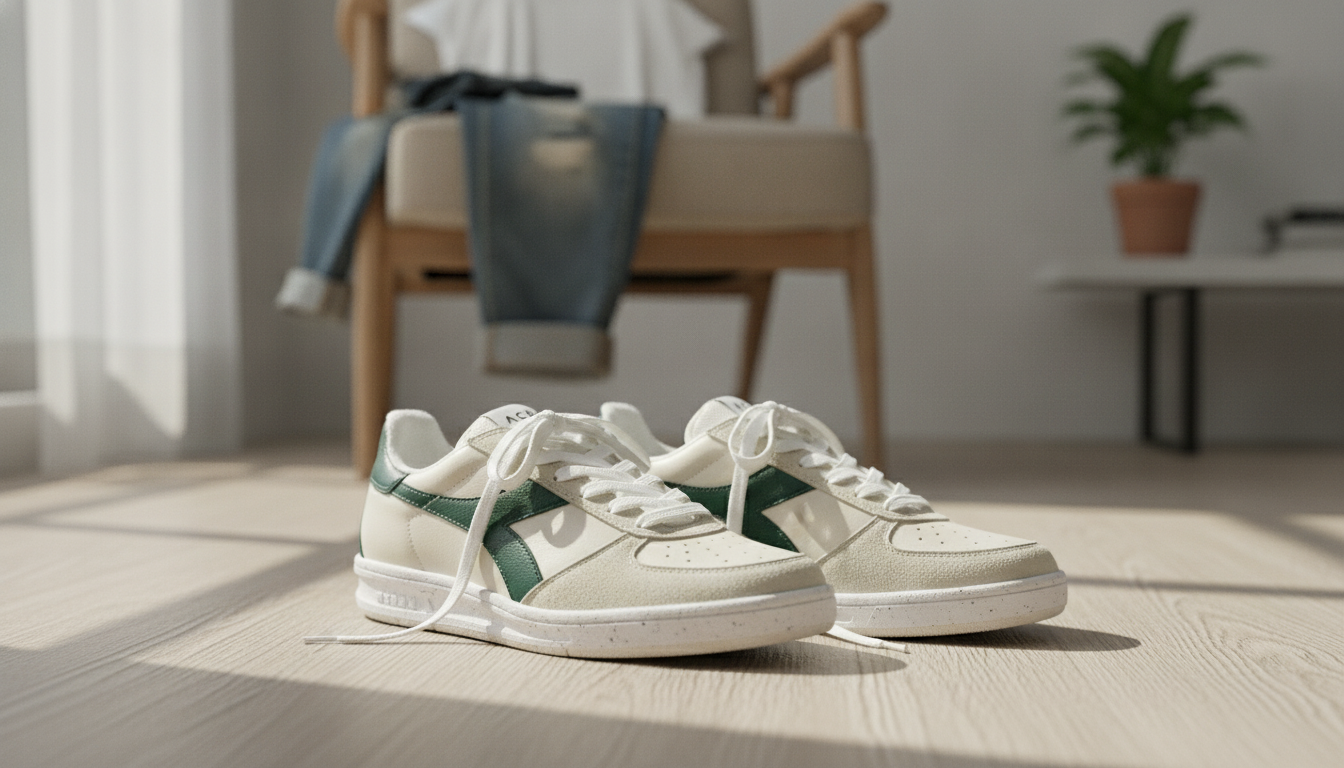
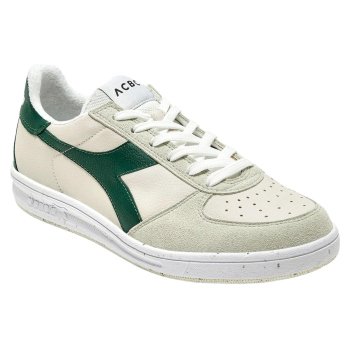
For a closer look at how Diadora’s heritage shows up in today’s popular colorways and materials—especially green-and-white leather styles—see the full guide here: https://epherian.com/guide-diadora-mens-green-white-leather-sneakers-guide/.
What “came out” means for Diadora models
If the question is about a specific pair (for example, a particular green-and-white leather sneaker), the release date depends on the exact model name and whether it’s an original vintage-era design, a later update, or a re-release. Many Diadora favorites have multiple “birthdays”: an initial debut as a performance shoe, then a later return as a lifestyle sneaker with updated materials and branding details.
How to date a pair of Diadora sneakers
To narrow down when your sneakers came out, check the inside label (style code), the tongue and heel branding, and the outsole pattern. Those details often change between production runs and can help distinguish older pairs from newer drops and reissues.
For Diadora Sneakers: When They First Released, the best answer depends on fit, material, care instructions, and how the product will be used day to day.
FAQ
Are Diadora sneakers true to size?
Most Diadora lifestyle sneakers fit true to size, but the fit can vary by model and material. If you’re between sizes or prefer extra toe room, sizing up a half size is a common approach for leather pairs.












Leave a comment