Whole-Home Comfort: Mist-Free Humidifier + Air Purifier
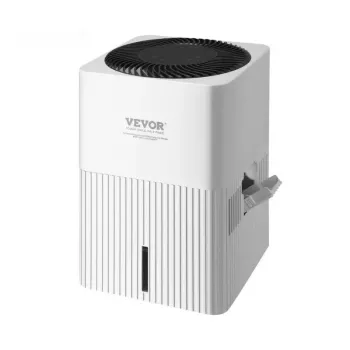
Whole-Home Comfort Starts with Balanced Humidity and Cleaner Air
Dry indoor air and everyday airborne particles can make a home feel less comfortable—especially during heating season or in naturally arid climates. A whole house mist-free evaporative humidifier with built-in air purification adds moisture through natural evaporation while filtering circulating air, helping spaces feel easier to breathe in, reducing static shocks, and supporting a fresher indoor environment without a visible cloud of mist.
What “Mist-Free Evaporative” Means (and Why It Matters)
“Mist-free evaporative” refers to a humidification method where air moves through a saturated wick (or similar media), and water evaporates into the air as it passes through. Instead of dispersing airborne droplets, the unit relies on the natural evaporation process.
- No visible mist: Because moisture is added as vapor, there’s typically less concern about damp surfaces near the unit compared with some misting styles.
- Reduced “white dust” risk: Evaporative designs are often less likely to spread mineral residue into the room air than ultrasonic models that aerosolize water (results still depend on water quality and maintenance).
- Self-limiting output: As indoor humidity rises, evaporation slows, which can help avoid accidentally driving humidity too high in many real-world setups.
- Better for open layouts: When placed thoughtfully and paired with airflow (including HVAC circulation), it can support more even comfort across connected rooms.
Humidifier + Air Purifier in One: What to Expect
A combined humidifier and air purifier aims to address two common indoor-air pain points at once: dryness and floating particles. While performance depends on the unit’s filter type, room size, and run time, the day-to-day experience is often straightforward: keep the tank filled, keep the media clean, and let the fan do consistent work.
- Humidity support: Maintaining comfortable moisture can help relieve dry skin, throat, and nasal passages, and it can reduce static electricity when humidity stays in a moderate range.
- Cleaner-feeling air: Filtration can capture common household particles such as dust and lint; results vary based on filter fit, airflow, and how often filters are replaced.
- Consistency matters: Steady run time on an appropriate fan setting usually outperforms short bursts, especially in busy households with frequent door openings.
Key Benefits for Families, Pets, and Allergy-Prone Homes
Indoor comfort is rarely just about temperature. Humidity and particle levels can change how a room feels—especially at night or in high-traffic areas.
- More comfortable sleep: Bedrooms can feel less drying when humidity is supported, and filtration can help reduce that “dusty room” sensation.
- Helps manage everyday pet mess: Units that move and filter air can reduce airborne lint and dander accumulation in frequently used rooms (within the limits of coverage and air-change rate).
- Friendly for electronics and finishes: Mist-free operation can be reassuring around desks, TVs, wood furniture, and flooring where lingering moisture is a concern.
Quick Comparison: Evaporative vs Ultrasonic vs Warm Mist
| Type | How it adds moisture | Typical trade-offs | Good fit for |
|---|---|---|---|
| Evaporative (mist-free) | Air passes through a wet wick and evaporates water | Needs wick/filter maintenance; can be larger | Balanced humidity, reduced mineral dust concerns |
| Ultrasonic | Vibrates water into fine mist | May create mineral dust; needs frequent cleaning | Very quiet rooms, quick visible output |
| Warm mist (steam) | Heats water into steam | Higher energy use; hot surfaces | Cold seasons, soothing steam preference |
Placement and Whole-Home Coverage Tips
For broader indoor air guidance, the U.S. Environmental Protection Agency’s guide to air cleaners offers helpful context on filtration and placement considerations.
Maintenance That Protects Performance
- Refill with clean water: Top off as needed and avoid letting water sit for long periods. Regular refreshes can reduce buildup and off smells.
- Clean on a schedule: Follow the manufacturer’s cleaning steps to minimize scaling and biofilm. The CDC’s humidifier use and care guidance outlines practical best practices.
- Replace/clean wicks and filters: Clogged media can reduce humidity output and strain the fan, especially during peak season use.
- Monitor humidity: Many homes feel most comfortable around 30–50% relative humidity. In very cold weather, a slightly lower target can help reduce window condensation risk. ASHRAE’s indoor air quality resources provide additional background on healthy indoor environments.
Product Spotlight: Whole House Mist-Free Evaporative Humidifier & Air Purifier
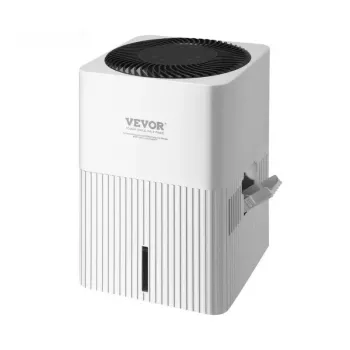
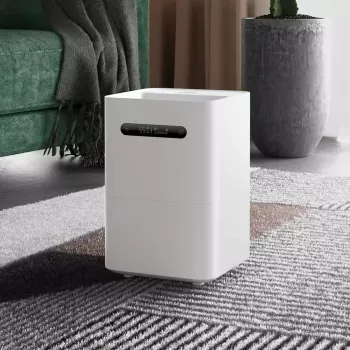
If the goal is everyday comfort without visible mist, the Whole House Mist-Free Evaporative Humidifier & Air Purifier is built to combine evaporative humidification with air cleaning in one unit. It’s a practical match for living rooms, bedrooms, and shared spaces where consistent humidity support and cleaner-feeling air are both priorities.
| Item | Details |
|---|---|
| Product | Whole House Mist-Free Evaporative Humidifier & Air Purifier |
| Price | 70.01 USD |
| Availability | In stock |
| Product page | View product |
Comfort Pairings for a Cozier Home
- Birkenstock Women’s White Leather Slippers for warm, comfortable indoor steps.
- Adidas Men’s White Sneakers for easy on-and-off wear when bouncing between indoors and errands.
Who This Style of Unit Is Best For
FAQ
Does a mist-free evaporative humidifier make the room feel less “wet” than a misting humidifier?
Often, yes—because moisture is added through evaporation rather than airborne droplets settling nearby. Comfort still depends on your target humidity, airflow, and placement, so it helps to monitor relative humidity and stay in a healthy range.
How often should the wick or filter be replaced or cleaned?
A common range is every few weeks to every few months, depending on water hardness, run time, and the manufacturer’s guidance. Signs it’s time include reduced humidity output, visible buildup, or a musty odor.
What indoor humidity level is generally recommended for comfort?
Many households feel best around 30–50% relative humidity. In very cold weather, aiming a bit lower can help reduce condensation on windows; a basic hygrometer makes tracking easier.













Leave a comment