IPL Laser Hair Removal Device: Safe At-Home Results
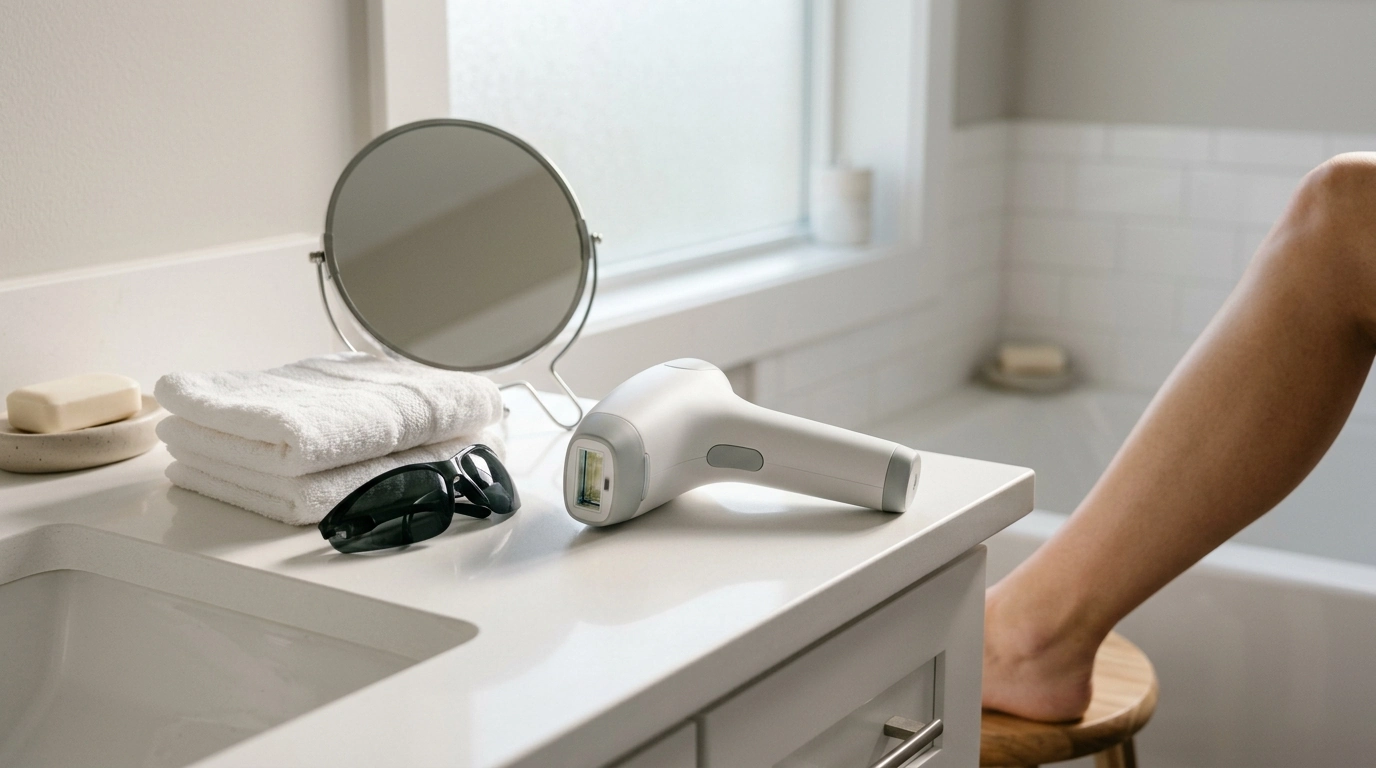
IPL Laser Hair Removal Device: At-Home Smooth Skin Routine, Safety, and Results
At-home light-based hair reduction can be a convenient alternative to frequent shaving or waxing, but results depend on matching the device to your skin tone, hair color, and consistency with a treatment schedule. This guide explains how IPL works, what to expect over time, how to use a device safely on common body areas, and how to evaluate features that matter most before buying.
How IPL Hair Reduction Works
IPL (intense pulsed light) uses broad-spectrum light that targets melanin (pigment) in the hair shaft and follicle area. When the light is absorbed, it converts to heat, which can disrupt the follicle’s ability to produce a strong new hair over time. Because the energy is attracted to pigment, IPL typically performs best when there’s a clear contrast between hair color and skin tone.
Hair grows in cycles, and only a portion of hairs are in the active growth phase at any given time. IPL is most effective on hairs in that active phase, which is why multiple sessions are needed. Rather than instant, permanent removal, IPL is better described as gradual hair reduction—regrowth may become slower, lighter, and finer, and many people use occasional maintenance sessions to keep results steady.
Compared with professional laser systems, at-home IPL devices generally use lower energy and broader light ranges. That can make them more approachable for home routines, but it also means patience and consistency matter more.
Who Gets the Best Results (and Who Should Avoid It)
Best candidates are often people with lighter skin tones and darker hair, since the device can more easily “see” the pigment in the hair. Very light blond, red, gray, or white hair may respond poorly because there’s less melanin to absorb the light.
Darker skin tones can still use certain devices, but extra caution is important: higher melanin in skin may raise the risk of burns or discoloration if settings aren’t appropriate. Always follow the manufacturer’s skin-tone guidance, do a patch test, and start conservatively.
Avoid treating tattooed areas, active sunburn, open wounds, or irritated skin. People who are pregnant, have a history of photosensitivity, or take medications that increase light sensitivity should consult a clinician before use. For general safety guidance on light-based devices, the U.S. Food & Drug Administration provides helpful consumer information.
Quick suitability guide
| Skin tone | Hair color | Typical response | Notes |
|---|---|---|---|
| Light | Dark brown/black | Often strong | Start on a lower level and patch test |
| Light | Medium brown | Often good | May take more sessions |
| Medium | Dark brown/black | Variable | Use conservative settings and follow device guidance |
| Deep | Any | Caution/variable | Higher risk of irritation or discoloration; consider professional advice |
| Any | Blond/red/gray/white | Often limited | Consider other hair-removal methods |
Key Features to Compare Before Buying
Not all at-home IPL devices feel the same in day-to-day use. A few practical features can make treatments faster, more comfortable, and easier to keep consistent.
How to Use an IPL Hair Removal Device Safely
At-home IPL is straightforward, but safe technique matters. Dermatology organizations emphasize careful skin assessment and correct use to reduce irritation; see the American Academy of Dermatology Association for background on light-based hair removal and expectations.
Treatment Schedule and What Results Look Like
A common mistake is stopping as soon as hair looks reduced. Completing a full cycle helps catch hairs entering the active phase later. If irritation shows up, pause until skin calms down, then resume at a lower intensity; persistent or worsening reactions should be evaluated by a clinician. The Mayo Clinic also outlines what to expect and who should take extra precautions.
Body Areas: What to Know for Face, Bikini, Underarms, and Legs
Spotlight Product: IPL Laser Hair Removal Device
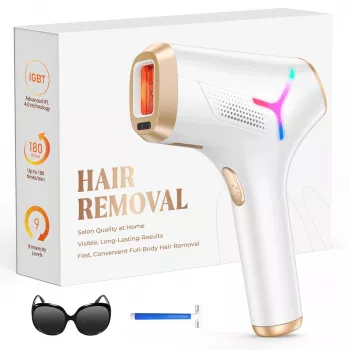
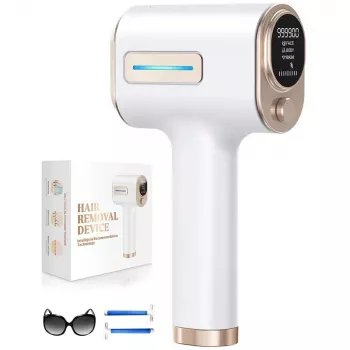
For a straightforward home routine, the IPL Laser Hair Removal Device is designed for repeated at-home sessions to help reduce regrowth over time. It can be a practical option for common areas like legs, underarms, and the bikini line (always follow the included guidance for approved zones and intensity settings).
Product snapshot
| Product | Price | Availability | Link |
|---|---|---|---|
| IPL Laser Hair Removal Device | 70.51 USD | In stock | View product |
Two Helpful Add-Ons for a More Comfortable Routine
- Indoor comfort after sessions: Slip into something easy if your skin feels warm or sensitive. Birkenstock Women’s White Leather Slippers can be a convenient option for staying comfortable at home without rubbing tight straps over freshly treated areas.
- On-the-go coverage: If you’re heading out soon after treating legs, comfortable footwear can help avoid irritation from stiff materials. Adidas Men’s White Sneakers are an easy, everyday choice for errands and regular wear.
Cleaning, Storage, and Long-Term Care
FAQ
Does IPL remove hair permanently?
IPL typically provides long-term hair reduction rather than guaranteed permanent removal. Many people maintain results with occasional touch-up sessions because follicles can recover or new follicles can become active over time.
Should hair be shaved, waxed, or plucked before using an IPL device?
Shave before using IPL so the light can target the follicle under the skin without singeing surface hair. Avoid waxing or plucking right before treatment because removing the hair from the root can reduce the target for the light.
How long does it take to see results with at-home IPL?
Visible changes often appear after several weeks of consistent treatments, though it varies by area and hair thickness. Fuller results commonly take 8–12+ weeks, with maintenance sessions afterward as needed.













Leave a comment