120dB Wireless Siren: Battery Backup + Solar Ready
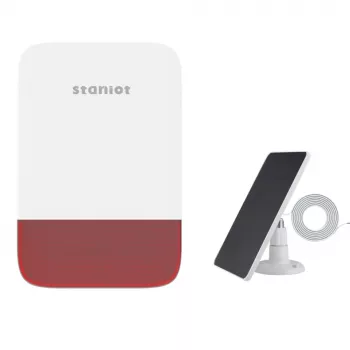
120dB Wireless Indoor/Outdoor Siren Alarm with Battery Backup & Solar Option
A high-output siren can deter intruders, alert neighbors, and provide a clear signal during emergencies. A 120dB wireless indoor/outdoor siren adds flexibility with battery backup and an optional solar charging approach, making it a strong fit for homes, garages, sheds, and small business perimeters where power access and ideal placement can be unpredictable.
What This Siren Alarm Is Designed to Do
- Deliver an attention-grabbing audible alert for security events, perimeter breaches, or alarm triggers.
- Support both indoor and outdoor placement so the sound reaches the right audience (inside occupants, outside neighbors, or both).
- Maintain operation during outages through battery backup, reducing reliance on continuous mains power.
- Offer a solar-friendly power strategy for hard-to-wire locations such as gates, detached buildings, or remote corners of a property.
Key Features That Matter for Real-World Use
- 120dB output: intended to be loud enough to cut through typical ambient noise and be heard across a property line (placement and obstacles still matter).
- Wireless setup: helps avoid running long cables and enables faster installation on exterior walls, garages, or outbuildings.
- Indoor/outdoor build: designed for mixed environments; mounting position should still avoid direct water ingress and extreme exposure when possible.
- Battery backup: keeps the siren active during blackouts and can reduce false “silent failures” when power is interrupted.
- Solar option: useful where outlets are limited; best results come from mounting the solar panel where it gets consistent sunlight.
Because 120dB is a serious sound level, it’s worth planning your location and test routine before the first full-volume activation. For general hearing-safety guidance around high noise levels, see resources from NIOSH and OSHA.
Placement Tips for Maximum Deterrence and Audibility
- Mount higher when possible to improve sound propagation and reduce tampering risk.
- Aim for line-of-sight coverage to key approach paths (driveway, side gate, back door area), while considering neighbors and local noise rules.
- Avoid dense barriers like thick masonry walls, large HVAC units, or heavy foliage that can dampen sound.
- Match the environment: indoors, position near entry points or central hallways; outdoors, choose eaves or sheltered vertical surfaces.
- Use two-zone thinking: one location to alert occupants (inside) and one location to deter and notify (outside) if the broader system supports it.
A practical approach is to choose a primary outdoor spot that “throws” sound toward common entry routes, then validate audibility from bedrooms and common rooms with short test bursts. Small adjustments—like moving the unit a few feet higher or shifting it away from a corner—can make a noticeable difference.
Power Strategy: Battery Backup vs Solar Charging
Power planning is where this siren format shines. Battery backup covers outages and momentary drops, while solar adds independence in places where wiring is difficult. The best choice depends on your environment, how often your system triggers, and how much seasonal weather affects charging.
| Option | Best for | Watch-outs | Practical tip |
|---|---|---|---|
| Battery backup | Outage resilience and consistent readiness | Battery aging, reduced runtime in cold | Test alerts monthly and replace/refresh batteries as recommended |
| Solar option | Detached locations with limited access to outlets | Shade, winter sun angle, panel soiling | Mount panel where it gets the longest daily sun exposure; clean periodically |
| Combined approach (solar + battery) | Highest independence from grid power | Requires good placement and basic upkeep | Seasonally verify charging performance and physical mounting integrity |
Cold weather can reduce battery performance, and low winter sun can reduce solar charging. In harsher climates, a slightly more sheltered mounting location (still allowing sound to project) can help preserve battery health and reduce moisture exposure. Whatever strategy you use, a routine check keeps surprises to a minimum: a quick monthly test, plus a deeper seasonal inspection of mounting, seals, charging, and alert reliability.
Using a 120dB Siren Safely and Responsibly
- Keep your distance during testing: 120dB is extremely loud at close range; avoid testing near ears and keep people and pets at a safe distance during activation.
- Use short bursts: brief tests reduce hearing risk and minimize disturbance, while still confirming operation.
- Mind bedroom placement: if installed outdoors, consider directing the siren away from bedrooms (yours and neighbors’) while still covering likely approach routes.
- Follow local rules: check local ordinances or HOA guidelines regarding nuisance alarms, hours of testing, and acceptable sound levels.
Setup and Maintenance Checklist
Common Problems and Quick Fixes
Featured In-Stock Items
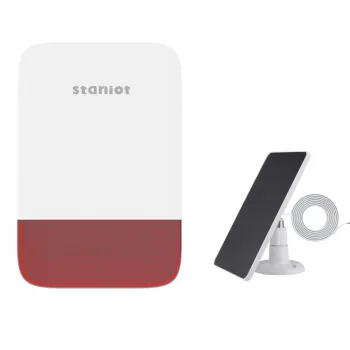
- 120dB Wireless Indoor/Outdoor Siren Alarm with Battery Backup & Solar Option
- Adidas Men’s White Sneakers
FAQ
How loud is 120dB in practical terms?
120dB is extremely loud at close range and can carry well over distance, but real-world audibility depends on wind, mounting height, and obstacles like walls and foliage. Test using short bursts and stand well away to reduce hearing risk for people and pets.
Will the solar option work in winter or cloudy climates?
It can, but reduced daylight and lower sun angles typically mean less charging, especially if the panel is shaded or dirty. Battery backup helps bridge low-sun periods, and performance will vary with temperature and how often the siren activates.
Where should an outdoor siren be mounted for best results?
Mount it higher in a sheltered location (such as under eaves) with a clear path for sound to travel toward likely entry routes. Avoid direct rain exposure when possible, and consider neighbors and local noise rules when choosing the siren’s direction and test schedule.















Leave a comment