12V Kids Ride-On Truck w/ Remote, MP3, Rocking & Lights
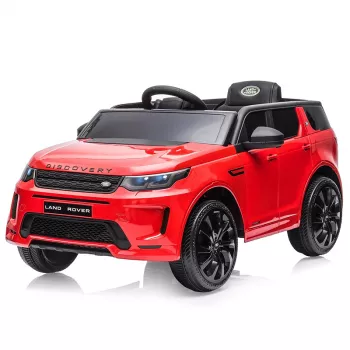
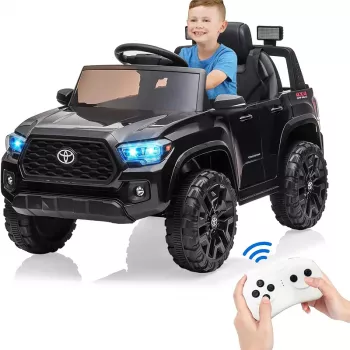
12V Electric Ride-On Truck for Kids with Remote, MP3, Rocking Function & Lights
A 12V ride-on truck can turn everyday playtime into an imaginative driving adventure, while still giving adults the control and safety features that matter. This guide breaks down what to expect from a remote-controlled kids’ electric truck with built-in music, rocking mode, and working lights—plus how to set it up, use it confidently, and keep it running smoothly for the long haul.
What makes this ride-on truck fun to use
Kids’ electric trucks feel “grown-up” in the best way: they look like real vehicles, respond to steering and pedals, and add little extras that keep play fresh from one session to the next.
- Two ways to drive: kids can steer and pedal on their own, or an adult can guide speed and direction using the included remote.
- Entertainment built in: MP3/music support helps keep rides engaging during outdoor laps or indoor cruising.
- Rocking function adds variety: when driving space is limited, rocking mode can provide a soothing “ride” experience without traveling far.
- Light-up details improve play: lights add realism for pretend “night drives” and help visibility in shaded areas.
- Truck styling supports imaginative play: kids often create routines like “deliveries,” “camping trips,” or “construction runs.”
Quick feature checklist
| Feature | What it does | Why it matters |
|---|---|---|
| 12V battery power | Drives the motors and accessories | Provides stronger performance than smaller-voltage ride-ons |
| Parental remote control | Adult can steer and control speed | Adds supervision control for younger or new drivers |
| MP3/music playback | Plays music/audio through the truck | Keeps kids engaged on longer play sessions |
| Rocking function | Gentle back-and-forth movement | Adds a second play mode for calm, stationary fun |
| Working lights | Illuminates light elements on the vehicle | Boosts realism and visibility in low light |
Remote control basics and when to use it
The remote is the confidence booster that helps many families get more use out of a ride-on truck. It’s especially helpful during the “learning to drive” stage, when a child is excited but still figuring out steering, stopping, and spatial awareness.
- Use the remote for first-time drivers: early sessions are ideal for practicing starts, stops, and turning with adult guidance.
- Switch to remote in crowded spaces: driveways, sidewalks, and parks may have distractions—remote control can prevent sudden swerves.
- Set consistent rules: define boundaries (cones, chalk lines) and use the remote to reinforce safe zones.
- Transition to independent driving gradually: begin with remote steering support, then allow the child to steer while the adult controls speed, then full kid control.
- Keep fresh batteries in the remote (if required): a weak remote signal can interrupt smooth control.
Rocking function: a second mode for smaller spaces
Rocking mode is a simple feature that can make the truck feel useful even on days when outdoor driving isn’t possible. It turns the vehicle into a gentle motion toy—great for patios, playrooms, or anywhere you want contained fun.
- Helpful in tight areas: rocking mode works well indoors or on patios where there isn’t enough room for driving laps.
- A calmer option for younger kids: children who like motion but aren’t ready to steer can still enjoy the “ride” feeling.
- Create a “parking spot” routine: park the truck in a clear area before enabling rocking, keeping toes and hands away from moving parts.
- Use shorter sessions for toddlers: frequent breaks help prevent overstimulation and encourage safer, supervised play.
Lights and music: getting the most out of built-in extras
Lights and audio aren’t just “nice-to-haves.” Used thoughtfully, they can support routines and make play feel more immersive—without turning every ride into sensory overload.
- Lights add realism: kids may love “headlights on” rules for evening backyard play (still in a safe, well-supervised area).
- Music can reinforce safe habits: using a specific song for “start,” “slow,” and “stop” helps build consistent behavior.
- Keep volume comfortable: moderate volume is easier on young ears during longer play sessions.
- Plan charging around accessories: frequent music and lights usage can reduce runtime compared with driving alone.
Setup, charging, and first ride checklist
A smooth first day often comes down to preparation. A short test run without a rider can prevent frustrating “why won’t it go?” moments once your child is buckled in and ready to roll.
For helmet guidance, the American Academy of Pediatrics has clear recommendations for when kids should wear helmets: AAP — Helmets: When Kids Should Wear Them.
Safety and supervision guidelines that make a real difference
For broader toy-safety guidance and recall awareness, the U.S. Consumer Product Safety Commission is a dependable reference: CPSC — Toy Safety.
Care, storage, and battery-friendly habits
When this style of ride-on truck is a great gift
Featured items available now
- 12V Electric Ride On Truck for Kids with Remote, MP3, Rocking Function & Lights
- Adidas Men’s White Sneakers (a solid closed-toe option for adults supervising outdoor rides)
FAQ
Can the truck be used without the remote control?
Yes. Kids can typically drive using the onboard steering and pedal controls, while the remote is optional for added supervision. For brand-new drivers, starting with the remote makes early practice calmer and more controlled.
How long does the battery last on a full charge?
Runtime varies with speed, surface, rider weight, and how often lights and music are used. Expect a practical range rather than a fixed number, and plan to fully charge before play and recharge after sessions for consistent performance.
Is the rocking function safe to use indoors?
It can be safe indoors when used on a flat surface with enough clearance around the truck. Always supervise, keep hands and feet away from moving parts, and avoid using it near stairs, glass, or fragile items.














Leave a comment