AI-Guided Meditation Tips for Beginners & Creators
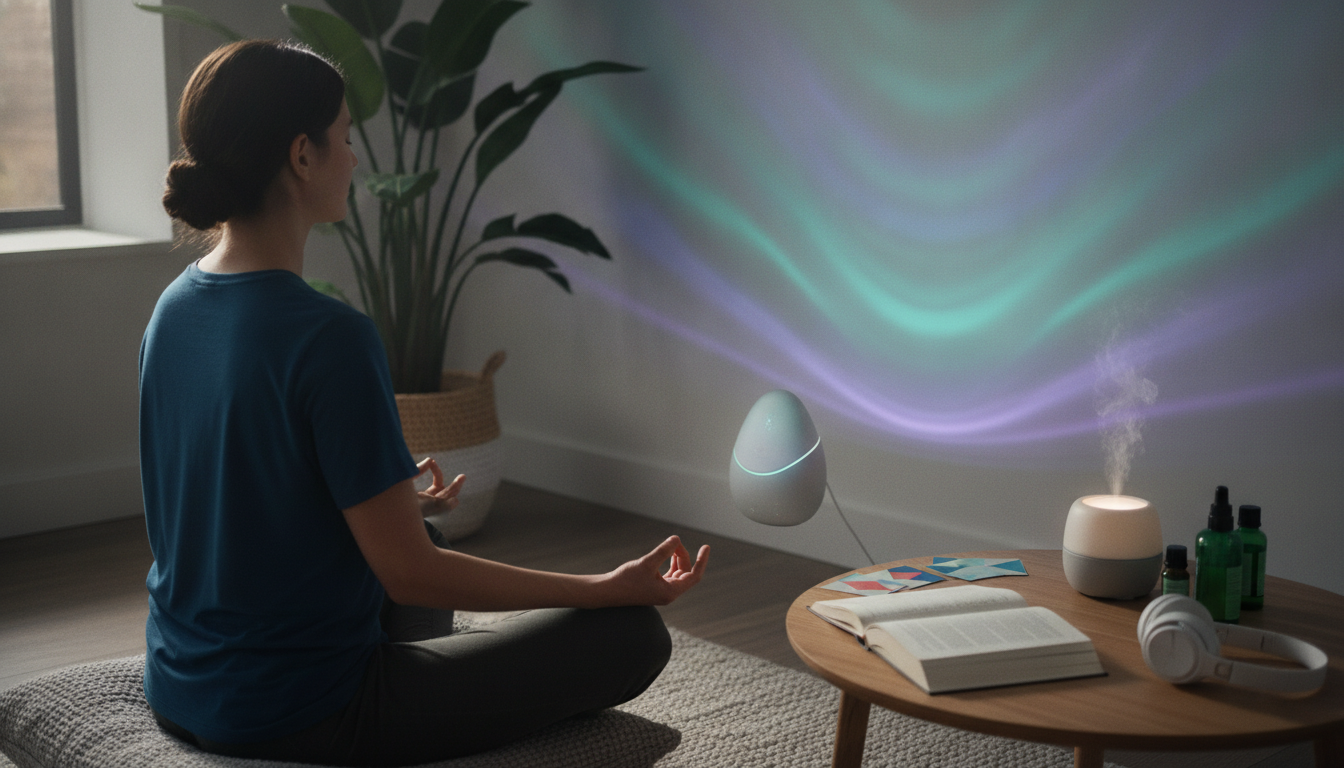
AI-Guided Meditation Tips for Mindful Beginners and Creative Minds
AI-guided meditation can make mindfulness feel more approachable by turning a vague goal (“meditate more”) into a clear, personalized practice. For beginners, it removes much of the guesswork around what to focus on and how to structure a session. For creators, it supports calm concentration, idea flow, and recovery after intense screen time. The goal stays simple: build a repeatable routine, tailor it to current needs, and keep it gentle enough to sustain.
What AI-guided meditation is (and what it isn’t)
AI-guided meditation is a structured meditation experience shaped by your inputs—mood, time available, energy level, and goals like sleep, stress relief, focus, or self-compassion. When it’s working well, it feels less like “doing meditation correctly” and more like having a steady framework for pacing, cues, and reflection.
It’s most effective as a starting point: a guide for timing, reminders, and a simple progression (arrive → anchor → notice → return → close). It isn’t a replacement for professional mental health care. Persistent anxiety, depression, trauma symptoms, or panic are valid reasons to consider a clinician in addition to (or instead of) meditation. For general safety and effectiveness guidance, see the National Center for Complementary and Integrative Health (NCCIH) and the American Psychological Association.
Like any meditation, it works best alongside basics: a comfortable posture, a quiet-ish space, and realistic session lengths that match your actual day.
Set up a session that feels doable in real life
Start by choosing a length you’ll actually repeat. Many beginners do better with 3–5 minutes for consistency, then expand to 8–12 minutes for deeper settling once it feels familiar. If you’re building stamina, 15–20 minutes can be a longer “practice day,” not a daily requirement.
Pick one focus only—breath, body scan, sound, loving-kindness, or a single phrase. One anchor prevents cognitive overload and makes it easier to notice when attention drifts.
Reduce friction so starting doesn’t become a debate: keep headphones nearby, set a timer, and save a quick note of your preferred style (calm voice, a few silence gaps, gentle reminders). A simple start ritual also helps: one deep exhale, soften your shoulders, then begin. That tiny cue signals the nervous system that it’s safe to downshift.
Personalization inputs that actually change the experience
The best personalization isn’t complicated—it’s specific. Instead of “stressed,” try “wired and tired,” “tight jaw,” “heavy chest,” or “restless legs.” Somatic detail helps guidance match what’s happening in the body, not just the story in the mind.
Keep goal clarity tight: choose one outcome per session (settle, focus, reset, sleep, compassion) and let everything else be secondary. Decide on a guidance style too: minimal cues vs. frequent cues, imagery vs. body sensations, spiritual-neutral vs. reflective. Add boundaries when needed (no trauma imagery, no intense breath holds, no long silence), and save presets for common moments—morning focus, pre-meeting calm, post-scroll reset, pre-sleep wind-down.
Quick personalization guide
| If today feels like… | Try this meditation style | Helpful guidance cues to request |
|---|---|---|
| Racing thoughts | Breath counting + gentle labeling | “Short reminders every 30–45 seconds; label thoughts as ‘thinking’ and return to breath.” |
| Tension in shoulders/jaw | Body scan + release cues | “Slow scan from forehead to feet; include prompts to unclench jaw and drop shoulders.” |
| Low mood or self-criticism | Self-compassion / loving-kindness | “Warm tone; phrases like ‘May I be safe’ with pauses to feel the words.” |
| Overstimulated / screen fatigue | Sound-based meditation | “Focus on ambient sounds; encourage soft attention without forcing silence.” |
| Pre-sleep restlessness | Long exhale + progressive relaxation | “Lengthen exhale gently; soften belly; slow pacing; no energizing imagery.” |
Simple scripts for beginners (short, medium, long)
Short sessions build the habit; longer sessions deepen the skill. A 3-minute reset can follow a clear arc: arrive → 5 slow breaths → notice 3 body sensations → name one emotion → exhale and release → finish with one intention.
Meditation for creators: focus, flow, and recovery
Gentle constraints can help: request fewer words, slower pacing, and more pauses so attention stays on felt experience rather than analysis. For some creators, a short mindful walk also resets the system; supportive footwear can make that easier to repeat, like Calvin Klein Jeans Women’s Sneakers or New Balance Women’s Grey Fall/Winter Sneakers.
Common pitfalls and easy fixes
Building a sustainable routine without burnout
A weekly theme keeps things fresh without restarting: breath week, body week, compassion week. If meditation intensifies fear, causes dissociation, or worsens symptoms, adjust the approach and consider professional guidance. For a practical overview of benefits and how to meditate, the Mayo Clinic offers a clear primer.
A guided prompt book approach for personalized wellness
If you want a ready-to-use structure, consider AI Guided Meditation Tips | Digital Guide for Mindful Beginners & Creators. For stress that’s more practical than emotional—like money anxiety—pairing mindfulness with a simple plan can also help: The Beginner’s Guide to Taking Control of Your Money.
FAQ
How long should an AI-guided meditation be for a beginner?
Three to five minutes daily is a strong starting point because it builds consistency with low resistance. Once that feels easy, expand to 8–12 minutes. Short sessions still train attention and reduce dropout.
What should be included to make guidance feel truly personalized?
Include your current mood and body sensations, the time you have, and one goal (sleep, focus, calm, reset, or compassion). Add preferences for tone and cue frequency, plus boundaries like avoiding triggers, breath holds, or long silence.
Can AI-guided meditation help with stress and sleep?
Yes—consistent guidance can support relaxation habits and make it easier to wind down. For sleep, gentle long-exhale breathing and progressive relaxation are often calming. If insomnia or severe anxiety persists, it’s worth discussing with a qualified professional.















Leave a comment