Budget Capsule Wardrobe + Grooming: Look Polished for Less
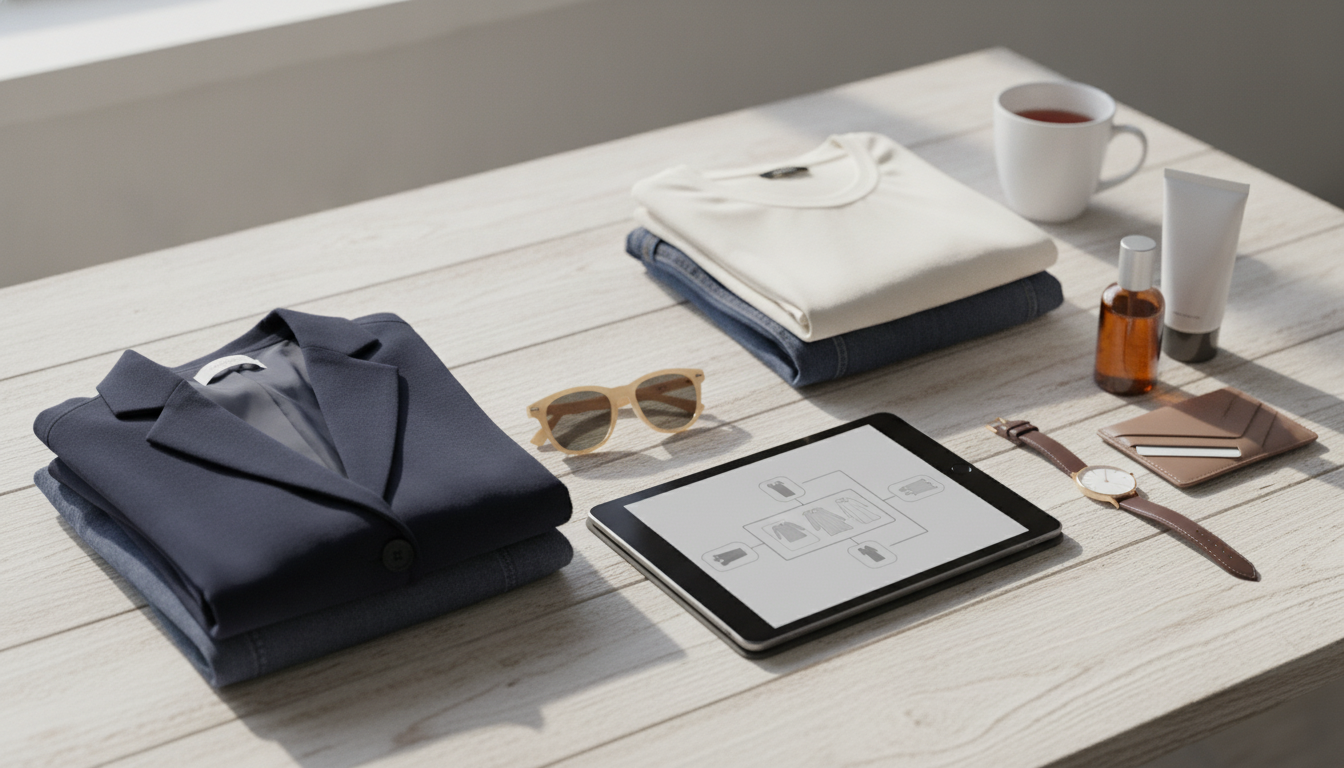
Style Smart: Build a Budget Capsule Wardrobe, Upgrade Grooming, and Feel Confident
Looking put-together doesn’t require a huge closet or expensive labels. A small set of versatile clothes, simple grooming habits, and a few fit-and-fabric upgrades can change how outfits look and how they feel to wear. The goal is practicality: build a capsule wardrobe that mixes easily, shop with a plan, lean on repeatable outfit formulas, and use low-cost grooming routines that quietly raise your day-to-day confidence.
Start With a Clear Style Baseline (So Money Isn’t Wasted)
A capsule wardrobe works best when it’s built around a few consistent rules. Instead of chasing random “nice pieces,” set a baseline so every purchase has a job.
- Pick 2–3 core colors (navy/gray/white is a classic) plus 1 accent color. When your palette stays tight, outfit-building becomes automatic.
- Choose a simple silhouette rule: tops that fit at the shoulders, mid-rise bottoms, and clean lines. Extremes can look cool, but they reduce how many pieces work together.
- Map your real life: work, errands, social plans, travel. Assign rough percentages (example: 50% work, 30% casual, 20% going out) so your spending matches your calendar.
- Save your measurements (shoulder width, chest/bust, waist, inseam). Fit is the fastest “upgrade” you can make without buying expensive brands.
The Budget Capsule Wardrobe: Fewer Pieces, More Outfits
Think in “multi-scene” basics: pieces that can handle more than one setting with small swaps. A neutral jacket, solid tees, a knit top, straight-leg jeans or trousers, and one clean sneaker can cover most days.
Aim for 12–18 core items that create 25+ outfits by repeating silhouettes and rotating layers. When budget matters, buy the best quality you can for what you wear most: shoes, outerwear, and everyday bottoms. Once the capsule feels complete, use a simple one-in/one-out rule to prevent closet creep.
Capsule checklist with budget-friendly targets
| Category | Recommended pieces | What to look for | Budget-friendly tip |
|---|---|---|---|
| Tops | 3–5 | Solid colors, smooth fabric, good shoulder fit | Buy multiples of a favorite tee when on sale |
| Bottoms | 2–3 | Straight or tapered cut, minimal distressing | Tailor hems instead of buying new pairs |
| Layering | 2–3 | Light jacket, cardigan/overshirt, neutral blazer (optional) | Thrift outerwear; spend on cleaning/alterations |
| Shoes | 1–2 | Clean, versatile sneaker + optional dressier pair | Maintain with quick wipe-downs and fresh insoles |
| Accessories | 2–4 | Simple belt, minimal jewelry/watch, tote/compact bag | Choose one metal tone and keep it consistent |
Smart Shopping Habits That Keep Costs Down
- Use a 48-hour pause for non-urgent buys. Most impulse “maybe” items won’t feel necessary two days later.
- Shop by outfit gaps, not individual items. Only buy a piece if it completes at least 2–3 outfits with what you already own.
- Check fabric and construction: thicker knits, tight stitching, sturdy zippers, and lined pockets often wear better. For a quick reference on fiber types and how they perform, see the Good On You materials guide.
- Lean on small alterations (hemming, waist take-in, sleeve shortening). Minor tailoring can make affordable clothing look custom.
- Build a wishlist, track price drops, and time purchases around end-of-season markdowns.
Also, don’t ignore care instructions. Clothing lasts longer when it’s washed and dried correctly; the FTC’s guide to textile care labeling is a helpful quick read if tags feel confusing.
Affordable Grooming That Changes the Whole Look
- Hair: keep a consistent cut schedule. A simple trim on a predictable cadence reads polished, even with casual outfits.
- Skin: keep it basic—cleanse, moisturize, and wear daily sunscreen. Consistency matters more than brand; the American Academy of Dermatology sunscreen FAQs covers practical guidance.
- Clothes care: lint roll, steam or iron, and spot-clean. Wrinkles and pilling make even expensive outfits look tired.
- Scent: one clean, subtle fragrance (or a lightly scented lotion) elevates presence without overpowering a room.
- Hands and shoes: trimmed nails and clean footwear are small details people notice right away.
Confidence Boosters That Cost Little (But Show a Lot)
Simple Outfit Formulas (Reliable, Repeatable, Low Effort)
Tools That Help: A Digital Plan and a Few Solid Staples
If decision fatigue is the biggest barrier, a step-by-step plan can keep you from buying “almost right” pieces that never get worn. A guided approach like Style Smart: Look Amazing Without Breaking the Bank – Digital Guide helps map capsule items, grooming basics, and confidence habits into a repeatable routine.
For wardrobe impact per dollar, footwear is hard to beat. A clean, neutral sneaker ties casual and smart-casual outfits together, so one pair can do more work across the week. Consider streamlined options like Calvin Klein Jeans Women’s Sneakers or a versatile seasonal neutral like New Balance Women’s Grey Fall/Winter Sneakers. Pair that with smarter spending habits (price tracking, gap-based buying) using Shop Smart, Save Big: The Ultimate Guide to Cutting Costs Without Cutting Corners and the whole system gets easier to maintain.
FAQ
How many items should a capsule wardrobe include?
A practical range is 12–18 core pieces, but climate and lifestyle can push that number slightly up or down. The real target is how many outfits you can build from what you own, not hitting a strict item count.
What’s the fastest way to look more put-together on a budget?
Prioritize fit (especially shoulders and hems), keep clothes wrinkle-free and de-linted, and wear clean shoes. A simple grooming routine—consistent haircuts, basic skincare, and subtle scent—adds polish fast.
Is tailoring worth it for affordable clothing?
Yes—hemming pants, adjusting a waist, or shortening sleeves often costs less than replacing the item and makes it look significantly higher-end. The biggest visual wins usually come from clean pant breaks, correct sleeve length, and a smoother waist/hip line.












Leave a comment