Budget Your Allowance: Simple Weekly Plan for Students
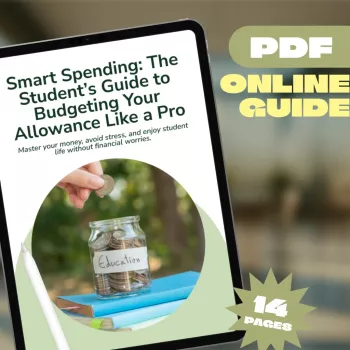
Smart Spending: Budgeting Your Allowance Like a Pro (Teens & College Students)
Allowance can feel small, but it’s powerful when it’s planned. A simple system helps everyday spending, saving goals, and “surprise” costs stop competing with each other. The goal isn’t perfect tracking—it’s making your money predictable, so you can relax and still make progress.
Start With the Real Numbers: What Comes In and What Must Go Out
Before you pick percentages or categories, get honest about your baseline. List every income source you control: allowance, part-time work, cash gifts, and (for some college students) stipends or scholarships that can be used for living costs. Next, choose a time frame that matches how you get paid—weekly for allowance, biweekly or monthly for paychecks.
Write down fixed commitments first: transit pass, phone share, subscriptions, club dues, and school supplies you buy regularly. Then add “school-season” spikes that don’t happen every week but absolutely happen: exam fees, field trips, dorm move-in items, lab materials, or formal events.
Pick one place to track—notes app, spreadsheet, or a printable sheet. Consistency beats fancy tools every time.
| Category | Weekly | Monthly (x4) | Notes |
|---|---|---|---|
| Income (allowance/earnings) | $__ | $__ | Use take-home amount |
| Fixed costs | $__ | $__ | Phone, subscriptions, transit |
| Flexible spending | $__ | $__ | Food, fun, small purchases |
| Savings goals | $__ | $__ | Short-term + long-term |
| Buffer (unexpected) | $__ | $__ | Aim for a small cushion |
Pick a Budget Method That Fits Student Life
Choose a method you’ll actually repeat when you’re busy, tired, or stressed.
- 3-bucket method: Spend / Save / Share. This works well for middle school through early high school because it’s fast and clear.
- Allowance-friendly 50/30/20: Needs (fixed) / Wants (flexible) / Goals (savings + buffer). It’s structured without being complicated.
- Envelope approach (cash or digital): Separate money for snacks, outings, and school costs so one category can’t quietly drain everything.
Build a weekly reset routine: check what’s left, move unused “wants” money into savings, and set next week’s caps. For habits you want to improve (like daily coffee runs), use a “one upgrade at a time” rule—change only one thing for two weeks before adding another.
Simple Splits to Try (Choose One and Adjust)
- Starter: 70% spending / 20% savings-goals / 10% buffer
- Balanced: 60% spending / 30% savings-goals / 10% buffer
- Goal-heavy: 50% spending / 40% savings-goals / 10% buffer
Build Categories Students Actually Use (Not a Perfect Spreadsheet)
Over-categorizing is the fastest way to quit. Keep it to 5–7 categories you’ll recognize in real life: School, Transport, Food/Drinks, Fun, Savings, Gifts/Donations, and Buffer.
If one thing keeps leaking money (delivery apps, in-game purchases, vending machine snacks), make it a “problem category” with a weekly cap. Also separate “rare but real” expenses—haircuts, sports fees, birthdays, replacing a charger, laundry for college—so they don’t feel like emergencies every time.
A simple rule that works: use a cap instead of a ban. “$10 this week for vending snacks” is more realistic than “never again,” and it still protects your bigger goals.
Make Savings Feel Automatic (Even on Small Amounts)
Saving works best when it’s specific. “$120 by August for a new backpack” beats “save more” because you can plan it. The most effective habit is paying yourself first: move savings out of the spending pile the same day your money arrives.
Make it motivating with milestones. Every $25 or $50 saved earns a small reward you already planned for (like a smoothie or movie rental), so you don’t sabotage your goal with random “treats.” You can also try a round-up habit: if something costs $7, record it as $10 and move $3 into savings (even if it’s just in an envelope).
Keep your emergency buffer separate from goal savings. When surprises happen—and they will—you’ll pull from the buffer instead of raiding the thing you’re excited about.
Example Goal Ideas (Turn Wants Into a Plan)
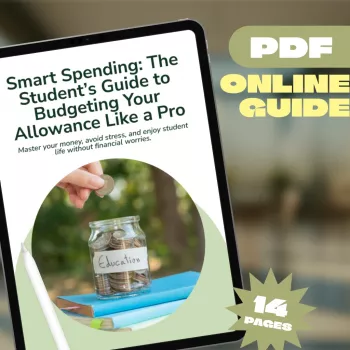
If you want a clear place to start, set a goal around something concrete, like replacing worn-out shoes or saving for a bigger purchase. For a ready-to-use worksheet system, the printable Smart Spending: The Student’s Guide to Budgeting Your Allowance Like a Pro (Printable Money Guide) makes weekly planning fast enough to stick with.
And if you’re saving for a specific item, it helps to name it. For example, budgeting toward a “new sneakers fund” can feel more real when it’s tied to a target like Adidas Men’s White Sneakers or a “comfort upgrade” goal like Birkenstock Women’s White Leather Slippers.
Handle Common Budget Wreckers: Friends, Food, and “Just This Once”
For trustworthy budgeting basics and student-friendly resources, see the Consumer Financial Protection Bureau (CFPB) and MyMoney.gov. For scam awareness (especially important for teens and new college students), review the FTC’s teen-focused alerts.
A Printable System That Makes Budgeting Easier to Stick With
When to Adjust Your Budget (Without Quitting)
FAQ
How much of an allowance should a student save?
A solid range is 10–30%, depending on fixed costs and how big your goals are. Start with a small automatic amount for two weeks, then increase once you see what’s realistic.
What’s the easiest budgeting method for teens who hate tracking every purchase?
Use broad categories (cash envelopes or digital “buckets”) with simple weekly caps, then do a quick weekly reset instead of detailed daily logging. This keeps spending contained without constant math.
How can college students budget irregular income from part-time work and family support?
Build your plan around your lowest typical month so essentials stay covered, then put extra income into buffer first and upcoming known costs second. When the buffer is healthy, direct the rest toward goals like books, travel, or bigger purchases.















Leave a comment