Clarks Men’s Leather Boots: Fit, Comfort & Care Tips
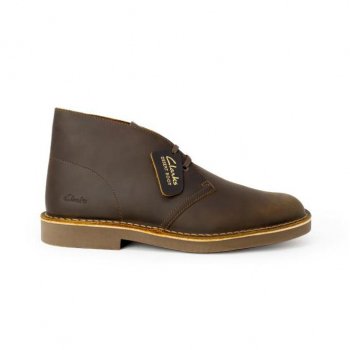
Clarks Men’s Leather Boots: Everyday Comfort with Classic Leather Style
Clarks men’s leather boots are built for day-to-day wear where comfort matters as much as appearance. From office commutes to weekend walks, leather uppers and supportive soles can make a noticeable difference in durability, breathability, and long-term fit. Leather also tends to “learn” your foot over time, creating a more personalized feel when the size and width are right from the start.
Below, you’ll find practical guidance on why leather boots keep earning their spot by the door, what to look for in fit and support, easy styling ideas, and a simple care routine that helps boots stay sharp and comfortable through the seasons.
Why Leather Boots Stay in Rotation
Leather boots have a reputation for being reliable because the material offers a rare mix of structure and adaptability. When the boot fits properly, the leather upper can gradually mold to your foot, often improving comfort as you break them in.
- Comfort that evolves: Leather can soften and shape slightly with wear, reducing pressure points over time.
- Natural structure: A quality leather upper can hold its shape better than many synthetics while still flexing where you need it.
- Easy to dress up or down: Leather boots can pair cleanly with denim, chinos, and many business-casual looks.
- Strong longevity potential: With basic maintenance—cleaning, conditioning, and proper drying—leather can last longer than many fabric uppers. For a deeper overview of leather as a material, see Britannica’s leather guide.
Clarks Men’s Leather Boots at a Glance
If you want one pair that can handle daily errands, commutes, and casual evenings without feeling overly formal, Clarks-style leather boots are a practical choice. They typically deliver a more premium look than canvas or knit options, and they tend to work well across multiple seasons.
For best results, rotate wear days when possible. Giving leather a full day to air out helps it dry internally, which can reduce odor build-up and extend the life of the lining and footbed.
Quick specs and buying details
| Item | Details |
|---|---|
| Product | Clarks Men’s Leather Boots |
| Price | $77.51 (USD) |
| Availability | In stock |
| Product page | https://epherian.com/clarks-mens-leather-boots/ |
Fit and Sizing: Getting Comfort on Day One
The most common reason boots feel “off” isn’t the leather—it’s sizing. A good fit should feel secure without feeling restrictive, especially through the heel and midfoot.
- Measure later in the day: Feet often swell slightly. Measure both feet and size to the larger foot.
- Lock the heel in place: A small amount of movement can be normal at first, but excessive heel slip can cause rubbing and blisters during break-in. For blister prevention basics, the American Academy of Dermatology offers practical guidance.
- Keep real toe room: You should be able to wiggle your toes naturally without sliding forward on downhill steps.
- Fit with the socks you’ll actually wear: Dress socks vs. thicker boot socks can change volume and feel dramatically.
- Between sizes? Consider width and use. Snug can look sleek for office wear, while slightly roomier can feel better for long walking days (especially with thicker socks).
Comfort and Support Features to Prioritize
Even classic-looking leather boots can be very walkable when a few comfort elements are in place. Focus on what you’ll feel after a full day—standing in meetings, commuting, or walking several blocks.
- Cushioning: A supportive footbed helps reduce fatigue and can make a noticeable difference on concrete sidewalks.
- Outsole traction: Look for grip patterns that hold on wet pavement and handle light winter conditions without feeling bulky.
- Ankle stability: Mid- and higher-cut boots can feel steadier on uneven sidewalks and curbs.
- Balanced weight and flex: Overly stiff or heavy boots can feel punishing early on. For everyday wear, aim for a supportive but not rigid feel.
Styling Ideas: From Workday to Weekend
Leather boots earn their keep when they work with most of what you already own. Simple pairings tend to look the most modern and intentional.
Leather Care and Long-Term Maintenance
Care schedule (simple and realistic)
| Task | How often | Notes |
|---|---|---|
| Quick brush/wipe | After most wears | Prevents dirt from setting into leather grain |
| Condition leather | Every 4–8 weeks | More often in dry climates; less often if leather stays supple |
| Reapply water protector | Monthly (wet season) / every 2–3 months (dry season) | Test on a small area first |
| Deep clean | Seasonally | Use leather-safe products; let dry fully before conditioning |
If moisture lingers inside boots, odor and foot issues can become more likely over time. For general background on nail fungal infections and prevention considerations, the CDC’s overview is a helpful reference.
When to Replace or Resole
More In-Stock Picks You May Like
- Clarks Men’s Leather Boots — a versatile everyday leather option with classic styling.
- New Balance Women’s Grey Fall/Winter Sneakers — a comfortable, cold-season casual sneaker option.
- Calvin Klein Jeans Women’s Sneakers — a clean, fashion-forward sneaker for casual outfits.
FAQ
How should leather boots fit when new?
They should feel snug but not tight, with a secure heel (minimal slip) and enough toe room to wiggle comfortably. Leather can loosen slightly as it breaks in, so test the fit with the socks you plan to wear most often.
How often should leather boots be conditioned?
A practical range is every 4–8 weeks, adjusting for climate and how often you wear them. If the leather looks dry or feels stiff, condition a bit sooner; avoid over-conditioning so the boot keeps its structure.
Can leather boots handle rain or snow?
Leather can handle light moisture when protected with a leather-safe water protector. If boots get soaked, let them dry away from direct heat, then recondition once fully dry to help restore suppleness.














Leave a comment