Monthly Food Budget Plan: Eat Better for Less
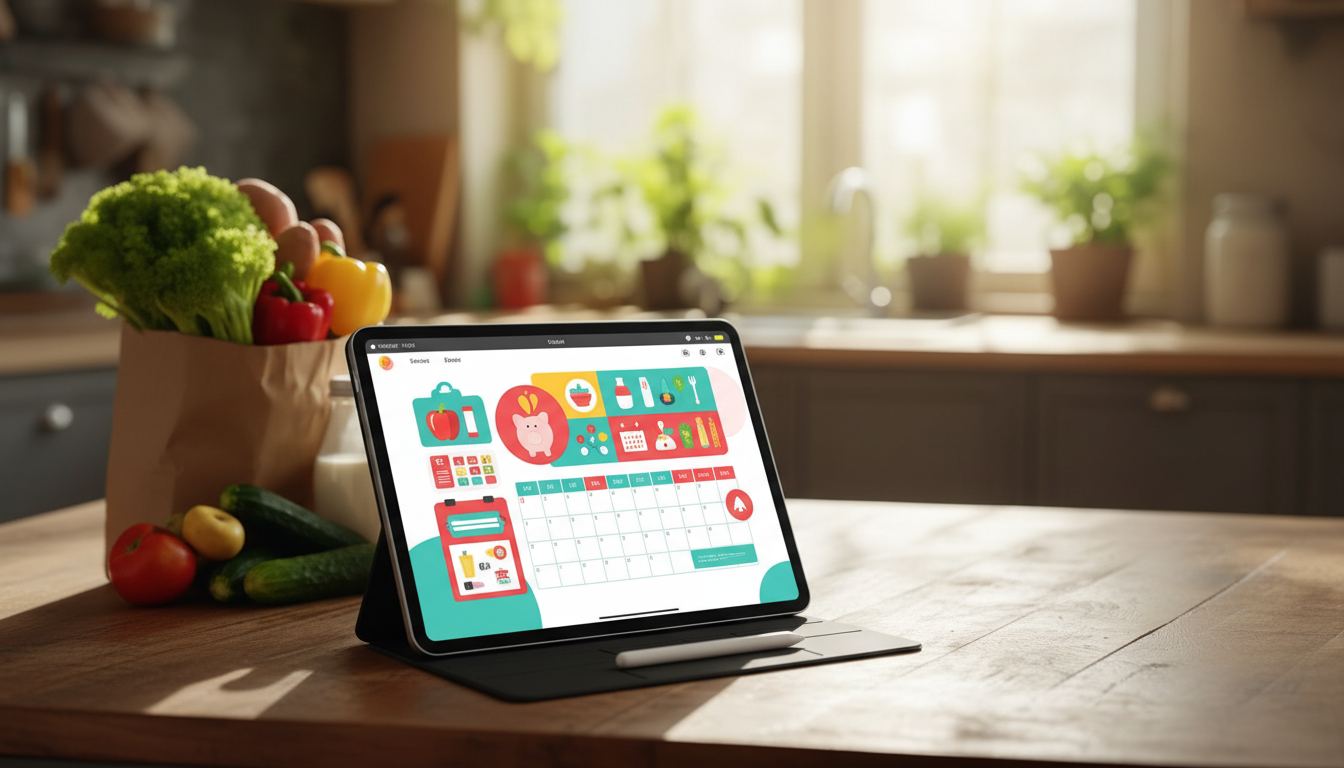
The Savvy Plate: Monthly Food Budgeting Without Losing Flavor or Fun
A predictable grocery budget doesn’t have to mean repetitive meals. With a simple monthly plan, a smart checklist, and a few flavor “upgrades” that cost pennies per serving, it’s possible to spend less while still cooking meals that feel satisfying. Below is a practical monthly system you can repeat every month—plus an easy way to keep it organized with The Savvy Plate: How to Budget for Food Monthly Without Sacrificing Flavor or Fun.
Start with a Monthly Number That Actually Works
The most effective food budgets start simple: one monthly cap, then smaller weekly targets that help you adjust before the month gets away from you.
- Pick a monthly total, then split it weekly. Weekly targets make it easy to course-correct after a pricier trip.
- Separate categories. Groceries, eating out, and delivery fees behave differently—each needs its own cap.
- Do a “price reality check.” Review the last 4–8 weeks of receipts or card transactions, then average them.
- Add a small buffer (3–8%). Hold it for price swings, guests, or unexpected schedule changes.
- Choose one success metric. Stay under the total, reduce waste, or cook at home more often—one focus keeps it doable.
Simple Monthly Food Budget Split
| Category | Monthly target | Weekly target (approx.) | Notes |
|---|---|---|---|
| Groceries (home cooking) | 70–85% of total | Monthly ÷ 4.3 | Core ingredients, snacks, pantry restocks |
| Eating out / takeout | 10–25% of total | Monthly ÷ 4.3 | Plan in advance to avoid impulse spending |
| Buffer / flexibility | 3–8% of total | Hold until needed | Price changes, guests, last-minute events |
If you want a quick benchmark to sanity-check your number, the USDA Food Plans monthly cost reports can be a helpful reference point.
Build a Monthly Meal Planning Rhythm (Not a Perfect Plan)
Monthly budgeting works best when your meal plan is flexible. Think “rhythm,” not rigid rules: a few dependable anchors plus rotating flavors.
- Choose anchors first. Pick breakfasts, lunch staples, and 6–10 dinner ideas you genuinely like.
- Use meal templates. Tacos, stir-fries, sheet-pan dinners, pasta, soups, and grain bowls keep planning fast.
- Schedule 1–2 fun meals per week. A themed night or new recipe prevents the budget from feeling like a punishment.
- Leave 1–2 open slots weekly. Plan for leftovers, late meetings, or social invites so food doesn’t spoil.
- Overlap ingredients on purpose. One roast chicken can become wraps, salads, and soup across several days.
A Smart Grocery Checklist That Cuts Cost Without Cutting Taste
A checklist is less about restriction and more about alignment: everything you buy should support the meals you planned (and the snacks you actually eat).
- Shop from a template-based checklist. Proteins, produce, carbs, pantry staples, and flavor boosters.
- Prioritize versatile basics. Eggs, rice, beans, frozen vegetables, tortillas, and canned tomatoes stretch across cuisines.
- Use unit pricing. Compare the cost per ounce (or per count) to spot real value—especially with meats, cheese, and snacks.
- Plan “fresh now” vs. “fresh later.” Delicate produce for early-week meals; frozen/canned for the back half of the week.
- Keep a short “high-impact flavor” list. Spices, sauces, citrus, and aromatics turn budget staples into craveable meals.
To reduce waste while keeping ingredients safe, follow basic storage guidance like the FDA’s recommendations on buying, storing, and serving food safely.
Flavor on a Budget: Low-Cost Upgrades That Feel Like a Treat
“Budget food” doesn’t have to taste flat. Small upgrades—often pantry-based—can make the same ingredients feel brand-new.
- Build a “flavor trio.” One spice blend (like taco or Italian), one acid (lemon/lime or vinegar), and one umami booster (soy sauce, miso, tomato paste, or parmesan rind).
- Use techniques that add depth. Browning meat, roasting vegetables, toasting spices, quick pickles, and simple pan sauces.
- Rebrand leftovers with a sauce swap. Taco bowl becomes a burrito wrap; roasted veggies turn into pasta; chicken becomes fried rice.
- Add one texture contrast. A sprinkle of toasted breadcrumbs or nuts, or a small spoonful of yogurt/soft cheese can change the whole meal.
- Keep “fun” inexpensive. Homemade pizza night, breakfast-for-dinner, or a build-your-own bowl bar with pantry staples.
Make the Budget Stick: Systems for Tracking and Adjusting
A monthly budget doesn’t survive on motivation—it survives on a light weekly routine that’s easy to repeat.
Using The Savvy Plate eBook as a Monthly Playbook
If you want structure without losing variety, The Savvy Plate: How to Budget for Food Monthly Without Sacrificing Flavor or Fun works like a repeatable monthly system: plan first, shop once with purpose, then adjust weekly without starting over.
For a broader approach to cutting everyday costs beyond the cart, pair it with Shop Smart, Save Big: The Ultimate Guide to Cutting Costs Without Cutting Corners.
FAQ
How much should a monthly food budget be?
Start by averaging what you spent over the last 1–2 months, then choose a realistic reduction (often 5–15%) and split it into weekly targets. Keep a small buffer for surprises, and set separate caps for groceries versus eating out.
How can meals stay interesting on a tighter grocery budget?
Rotate a few meal templates (tacos, stir-fry, soups, sheet-pan dinners) and lean on low-cost flavor boosters like acids, spice blends, and sauces. Techniques like roasting and browning also add “restaurant-style” depth without adding expensive ingredients.
What’s the simplest way to stop overspending at the store?
Shop with a checklist tied to your planned meals, check unit prices, and “shop your pantry” first to avoid duplicates. A quick weekly spending check-in helps you adjust the next trip before you blow the monthly total.
















Leave a comment