Quad-Driver Hybrid Planar IEMs: Punchy Detail on a Budget
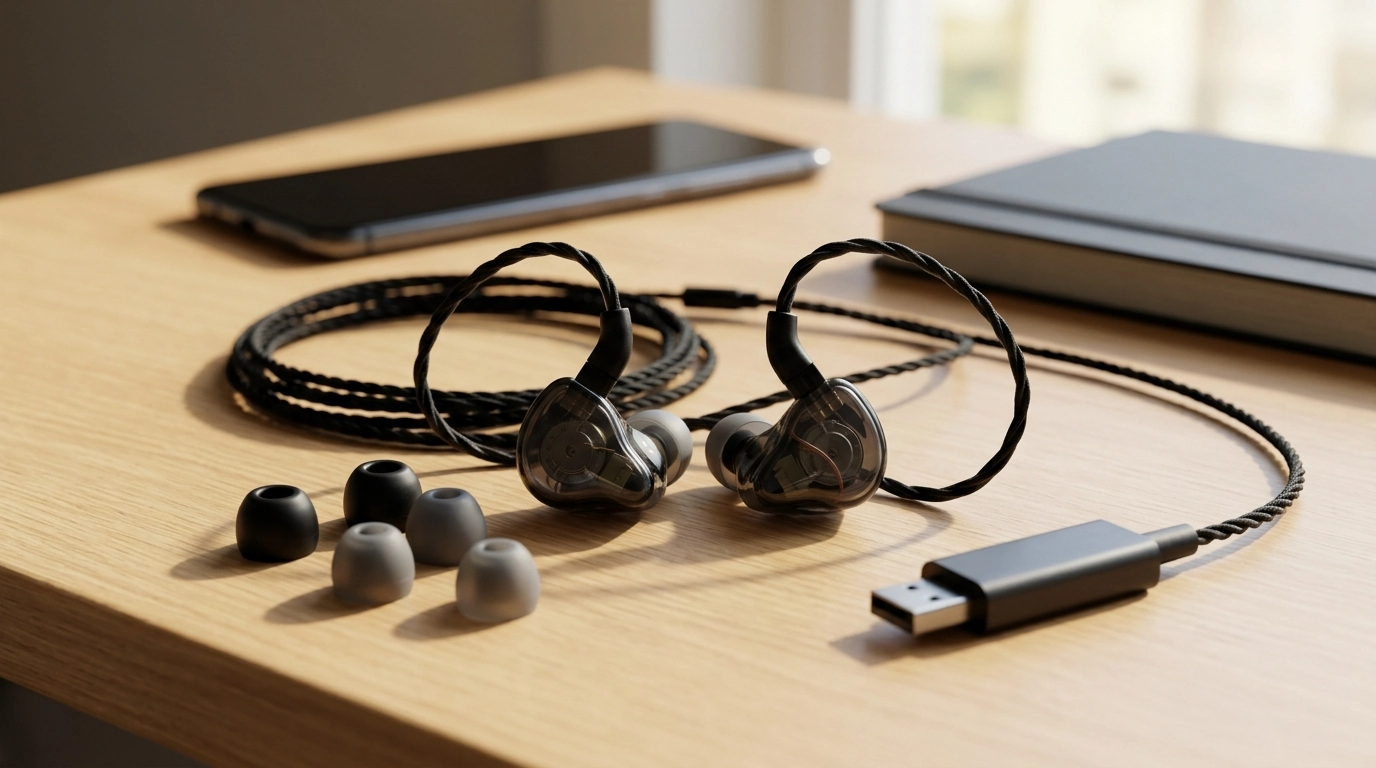
Quad-Driver Hybrid Planar In-Ear Headphones with Triple Dynamic Architecture
A quad-driver in-ear build that combines a planar driver with three dynamic drivers is designed to deliver fast transients and fine texture while keeping bass punchy and controlled. The idea is simple: let each driver type do what it typically does best, then blend the results into a sound that feels both detailed and physical. At $66.51 and currently in stock, the Quad-Driver Hybrid Planar In-Ear Headphones with Triple Dynamic Architecture aims to cover everyday listening and more focused sessions when paired with a clean source. For more guidance, see planar | Headphone Reviews and Discussion – Head-Fi.org.
What This Quad-Driver Layout Is Designed to Do
This hybrid configuration uses one planar driver alongside three dynamic drivers to split the audio workload across the frequency range. In theory, that means less strain on any single driver, which can translate into clearer layering and more stable imaging when the music gets dense. For further reading, see TRN Shell | Headphone Reviews and Discussion – Head-Fi.org.
- Hybrid configuration: one planar driver paired with three dynamic drivers to divide duties across bass, mids, and treble.
- Main goal: improved clarity and separation by reducing how much each driver must cover.
- Typical upside: quicker attack on percussion and strings, stronger bass slam, and cleaner transitions between regions.
- Real-world variable: tuning, crossover implementation, and a secure ear seal determine whether the design reaches its potential.
For a quick driver primer, see this overview of planar magnetic drivers.
Driver Roles at a Glance
Planar drivers are often chosen for speed, micro-detail, and a consistent response across the diaphragm area. Dynamic drivers, on the other hand, are frequently favored for physical bass impact and a natural sense of note weight. Using three dynamics can let the tuning assign separate roles—such as bass, midrange body, and treble presence—reducing distortion and keeping busy mixes from turning into a blur.
| Driver element | Common strengths | What to listen for on familiar tracks |
|---|---|---|
| Planar driver | Fast transients, fine texture, low-end-to-mid cleanliness | Clean cymbal decay, string texture, less smear in complex passages |
| Dynamic driver (bass-focused) | Impact, rumble, physicality | Kick drum punch without bloom; bass notes that stop cleanly |
| Dynamic driver (midrange-focused) | Body and natural vocal/instrument weight | Vocals centered and full; guitars/pianos not hollow |
| Dynamic driver (treble/presence-focused) | Presence and sparkle with controlled energy | Detail without hiss; clear consonants without harshness |
When auditioning, focus on stability: do the elements stay locked in place as volume rises, or does the stage collapse? A well-executed multi-driver IEM tends to keep bass lines tidy and cymbals crisp without becoming glassy.
Sound Expectations: What This Type of Tuning Can Emphasize
Driver count doesn’t guarantee a specific tuning, but this architecture often aims for a “best of both worlds” presentation—speed and texture up top with satisfying weight down low.
- Bass: often tuned for depth and punch. Check whether sub-bass comes through without masking vocals or bass notes smearing into each other.
- Midrange: listen for vocal placement (forward vs. relaxed) and whether instruments keep texture at moderate volumes.
- Treble: aim for air and edge definition while watching for fatigue on sibilant recordings.
- Technicalities: separation and perceived stage can improve when drivers operate in their comfort zones, but ear tip seal remains a deciding factor.
For a helpful perspective on why certain tonal balances are widely preferred, this summary of headphone sound preference research (Harman target overview) is a useful reference point.
Fit, Seal, and Comfort: The Biggest Performance Variable
With in-ear headphones, a small change in fit can sound like a completely different tuning. The seal acts like part of the acoustic system, especially for bass.
- Seal drives bass: even a tiny leak can thin out low end and make upper mids/treble seem hotter.
- Tip selection matters: try multiple sizes to balance comfort and consistent isolation.
- Insertion depth changes tonality: deeper insertion can increase perceived clarity and reduce boominess for some ears.
- Comfort check: wear for 30–60 minutes and note hotspots; a stable fit helps keep imaging and bass consistent.
If the sound is “right” one minute and “off” the next, it’s often seal drift. A small twist after insertion can restore bass and center the image.
Pairing and Power: Phones, Dongles, and Dedicated Players
Where This Kind of IEM Shines
Care, Setup, and Getting Consistent Results
In-Stock Picks
- Quad-Driver Hybrid Planar In-Ear Headphones with Triple Dynamic Architecture ($66.51) — quad-driver hybrid design geared for detail and punch in a compact in-ear format.
- Adidas Men’s White Sneakers ($48.01) — a clean everyday option for commuting or desk days when lightweight comfort matters.
- Birkenstock Women’s White Leather Slippers ($42.01) — a relaxed, at-home comfort pick for longer listening sessions.
FAQ
What does a quad-driver hybrid planar and triple dynamic design change compared to a single-driver IEM?
It allows driver specialization—one element can focus on speed and texture while others handle bass weight and presence—often improving separation and headroom. The actual result still depends heavily on tuning, crossover quality, and getting a consistent seal.
Do these in-ear headphones need a DAC/amp to sound good?
Many IEMs sound good straight from a phone, but a clean dongle DAC/amp can reduce hiss and improve bass control and dynamics. If the source is noisy or has high output impedance, sound balance and clarity can suffer.
Why does the bass change so much when switching ear tips?
Ear tips affect seal and insertion depth, which strongly influences low frequencies and can also shift perceived treble. A tip that seals better typically restores sub-bass and makes the overall balance sound smoother and more stable.













Leave a comment