Sturdiest Dog Car Seat: Reinforced Hammock vs Booster
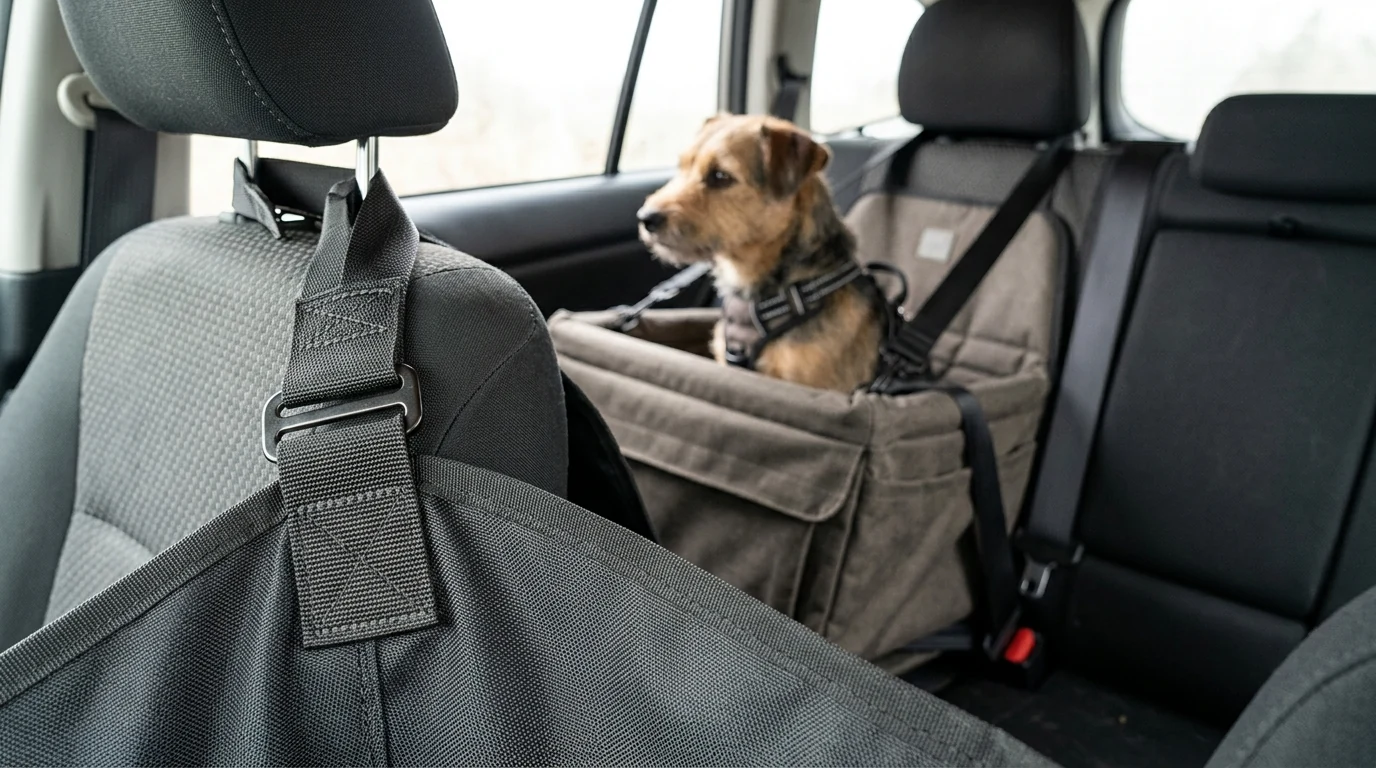
Which dog car seat is the most sturdy?
The most sturdy “dog car seat” for most vehicles is usually a heavy-duty dog car hammock (bench-seat cover) with reinforced stitching, multiple anchor points, and side flaps that brace the cover against shifting. Traditional booster-style seats can feel rigid, but they often rely on a single strap and a raised platform—fine for small dogs, yet less stable when a dog leans, turns, or the car takes a sharp corner.
For real stability, look for a hammock-style setup that creates a taut, supportive surface from headrest to headrest and includes grippy backing to reduce sliding. The sturdiest models also use wide webbing straps (not thin cords), metal or locking buckles, and a structured edge or binding that helps the cover keep its shape.
What makes a dog car seat “sturdy” in real driving?
Sturdiness comes from how well the seat or cover resists three things: sagging under weight, shifting side-to-side, and tearing at stress points. A strong base fabric (often thick polyester or Oxford-style material), reinforced seams, and well-placed strap geometry matter more than padded thickness. Side flaps add stability by helping the cover stay aligned when paws push against doors or the seat edge.
Best sturdy choice for most dogs: a reinforced hammock with side flaps
If the priority is a secure, long-lasting setup that stays put, a sturdy dog car hammock with side flaps is typically the top pick. It protects the bench seat, helps block gaps where a dog could slip, and spreads force across multiple attachment points. For a deeper breakdown of construction details to look for (and why they matter), see this guide: sturdy dog car hammock with side flaps.
For Sturdiest Dog Car Seat: Reinforced Hammock vs Booster, the best answer depends on fit, material, care instructions, and how the product will be used day to day.
FAQ
How do I keep a dog car cover from sliding around?
Choose one with non-slip backing, use all headrest anchors, and tighten the straps so the surface stays taut. Added seat anchors (the “sausages” that push into the seat crack) also make a big difference.











Leave a comment