Energy Management Checklist: Daily System for Focus

Peak performance starts with energy, not hustle
Peak performance depends less on pushing harder and more on managing energy on purpose. A practical checklist makes energy visible and manageable: you notice what drains and restores you, protect high-focus windows, and build quick resets into the day. The goal is steady output with mental clarity and enough balance left for life after work.
What “energy management” means (and why it beats time management on tough days)
Energy is your capacity to do meaningful work across four areas: physical vitality, mental focus, emotional steadiness, and environmental support. Time is fixed, but usable energy fluctuates with sleep, stress, food, light, movement, and workload. That’s why perfectly planned schedules can still fall apart on demanding days.
Instead of aiming for constant intensity, energy management matches the right tasks to the right energy level. A short checklist reduces decision fatigue by turning best practices into a routine you can run even when you’re busy or stressed.
The four energy lanes to track: physical, mental, emotional, and environmental
Think of your day as four “lanes” that influence performance:
- Physical: sleep quality, hydration, movement, meal timing, caffeine and alcohol patterns.
- Mental: attention span, cognitive load, context switching, complexity of tasks.
- Emotional: stress load, motivation, sense of control, social friction or support.
- Environmental: noise, clutter, lighting, temperature, notifications, meeting density.
| Signal | Likely lane | Fast check |
|---|---|---|
| Restlessness, craving snacks, yawning | Physical | Water, protein/fiber, 5–10 minutes of movement |
| Re-reading the same line, slow decisions | Mental | Remove distractions, reduce task scope, short focus sprint |
| Irritability, doom-scrolling, avoidance | Emotional | Name the stressor, 2-minute breathing reset, ask for clarity |
| Headache, tension, feeling “boxed in” | Environmental | Light/air change, desk reset, noise management |
Morning setup: protect the day’s highest-value energy
Start the day with a 60-second baseline. Rate your energy from 1–10 and identify the biggest constraint (sleep, stress, workload, or environment). That quick diagnosis prevents you from expecting “10/10 output” from “5/10 fuel.”
Next, choose one must-win outcome with a clear finish line. Define what “done” looks like (a draft completed, three pages edited, a proposal sent). This prevents open-ended effort that quietly drains the day.
Whenever possible, schedule your first deep-work window before messages and meetings. Then pre-commit to boundaries: notification rules, meeting limits, and a realistic stop time so recovery isn’t an afterthought.
During-work focus: build a rhythm of sprints and resets
High performance is usually a rhythm, not a marathon. Use short focus blocks (25–50 minutes) with one defined goal and one task list in view. Keep the bar simple: one priority, one window, one finish line.
- Micro-reset between blocks: stand up, take a few slow breaths, hydrate, and look into the distance to reduce eye strain and cognitive fatigue.
- Batch shallow work: keep email, admin, and quick replies inside set windows to reduce context switching.
- If attention collapses: shrink the task to the next visible action (a 10-minute starter) or write a two-step mini-plan before you restart.
Midday calibration: prevent the afternoon crash from running the schedule
Use food strategically: prioritize protein and fiber, keep hydration steady, and watch heavy meals that create a slump. If you want a simple performance anchor, follow basic movement guidance from the CDC’s physical activity basics and take a short walk or brief mobility routine to lift alertness without stacking more caffeine.
Emotional load management: keep stress from hijacking attention
Add friction where it helps: log out of distracting apps, silence nonessential channels, and keep a “later list” for thoughts that are real but not urgent. If stress feels chronic, it may help to understand how it impacts the body via the APA’s overview of stress effects.
Evening shutdown: turn recovery into tomorrow’s advantage
Then treat wind-down as a performance tool. Dim lights, reduce screens, and protect sleep timing. If sleep has been inconsistent, the NIH/NHLBI sleep deprivation resource is a helpful reference for why recovery affects focus, mood, and decision-making.
Putting it all together: a printable daily checklist that stays simple
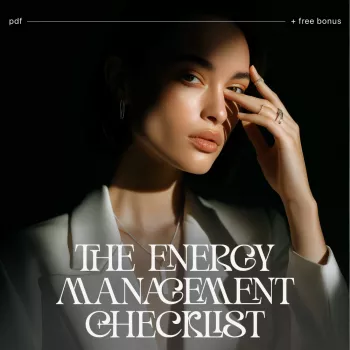
If you want a ready-to-use template, the Energy Management Checklist for Peak Performance (digital download) provides a simple daily flow you can reuse without rebuilding your system every morning.
For the “environment supports energy” lane, comfortable walking shoes make it easier to follow through on short walks and reset breaks. Options like Calvin Klein Jeans Women’s Sneakers or New Balance Women’s Grey Fall/Winter Sneakers can help make movement a realistic default instead of a special event.
And if financial stress is a frequent energy drain, simplifying your money system can free up a surprising amount of mental bandwidth. The Beginner’s Guide to Taking Control of Your Money (digital download) can support a calmer baseline so focus is easier to access.
FAQ
How long does it take to see results from an energy checklist?
Small improvements often show up within a few days (better focus blocks, fewer slumps). Clear patterns typically appear in 1–2 weeks of tracking a few inputs, and stronger habits usually take 4–6 weeks of consistent use.
What if energy is low all day no matter what?
Reduce task difficulty, prioritize recovery behaviors (sleep, hydration, movement), and tighten workload boundaries while you stabilize. If low energy is persistent or worsening, consider discussing it with a healthcare professional to rule out underlying issues.
Is this better than a traditional to-do list?
They work best together: a to-do list tracks tasks, while an energy checklist manages capacity and timing. Combining both improves follow-through and lowers burnout risk because you’re planning around how you actually function.













Leave a comment