Grocery Budget Checklist: Plan Meals, Shop Smarter, Save
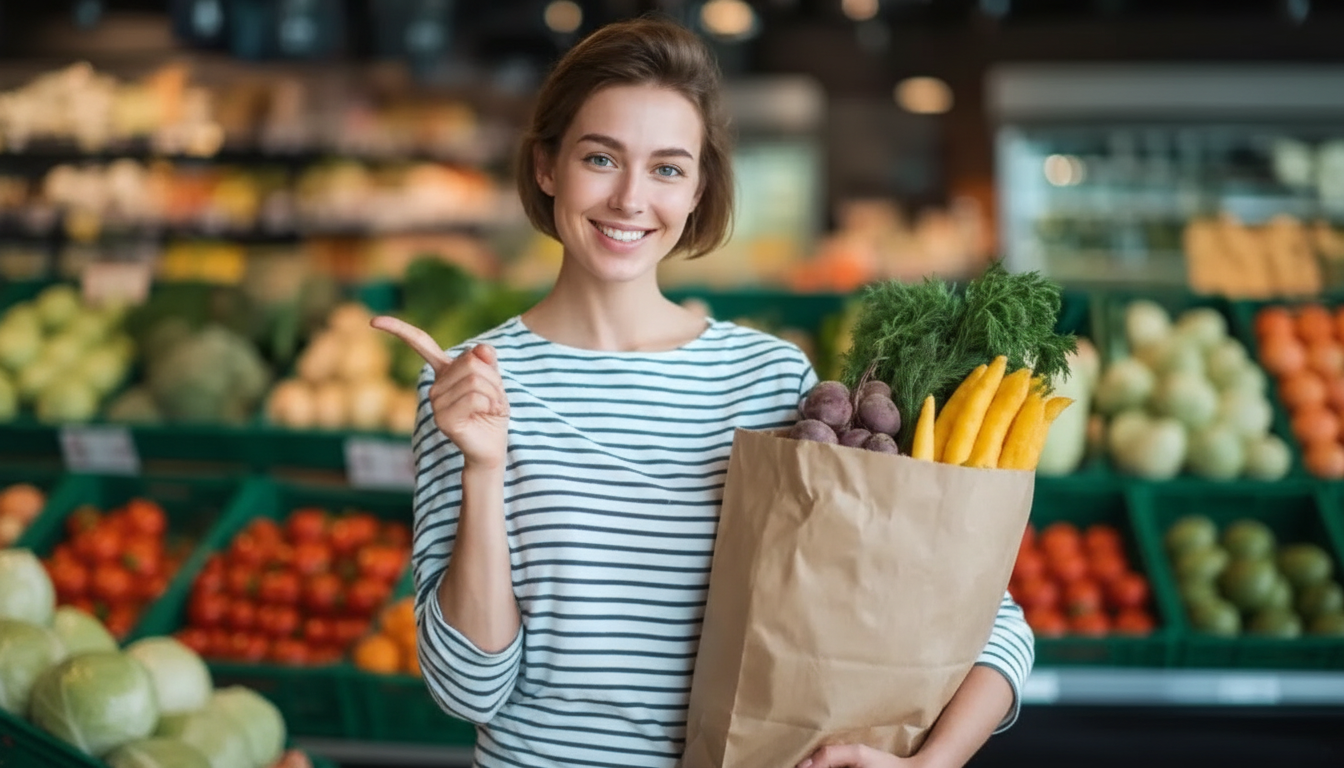
The Ultimate Grocery Budget Checklist: Build a Realistic Food Budget and Shop Smarter
A grocery budget works best when it’s built around repeatable habits: a clear spending target, a short planning routine, and a store-ready checklist that prevents impulse buys. This guide lays out a practical checklist for setting a good budget for groceries, planning meals that match it, and using smart shopping tactics that consistently lower the total at checkout—without relying on extreme restrictions.
Start with a budget that matches real life
A workable grocery budget is one you can repeat week after week. Start simple, then refine.
- Pick a weekly or biweekly cycle. Weekly is often easiest for fresh produce and managing leftovers.
- Set a baseline using real receipts. Average the last 4–8 grocery trips, then adjust down by a small, doable amount (about 5–10%) for the first month.
- Split your total into categories. Build categories around how your household actually eats: staples, proteins, produce, snacks, beverages, and household items.
- Add a buffer. Plan for price swings and “oops” ingredients—usually around 5% of the total.
- Define what counts as groceries. Decide whether coffee runs, convenience foods, and household supplies live in the grocery budget or elsewhere so you don’t double-count.
Simple weekly grocery budget breakdown (edit to fit your household)
| Category | Target % | Examples | Notes |
|---|---|---|---|
| Staples | 20% | rice, pasta, oats, beans, bread | Build meals around what’s already in the pantry |
| Proteins | 25% | eggs, chicken, tofu, canned fish | Buy in value packs; freeze portions |
| Produce | 20% | seasonal fruit/veg, frozen veg | Balance fresh + frozen to reduce waste |
| Dairy/alternatives | 10% | milk, yogurt, cheese | Check unit prices; store brands often win |
| Snacks & extras | 10% | chips, sweets, convenience items | Cap this category first when cutting costs |
| Household | 10% | paper goods, soap, trash bags | Stock up only when on sale and needed |
| Buffer | 5% | price spikes, missing ingredient | Use only when necessary; roll over if unused |
For a reality-check benchmark, the USDA publishes monthly cost estimates by household size and spending level in its USDA Food Plans. If your budget feels “off,” comparing your baseline to those ranges can help you adjust expectations without guessing.
The grocery budget checklist (quick routine before every trip)
This short routine is what turns “good intentions” into consistent totals at checkout.
- Inventory sweep (5 minutes). Check fridge, freezer, and pantry for what needs using soon and what’s already overstocked.
- Pick 3–5 dinner anchors. Choose flexible meals that share ingredients (tacos + salads + stir-fry) to avoid “variety spending.”
- Plan lunches from leftovers. Assign leftover nights and leftover lunches so midweek doesn’t turn into expensive, unplanned add-ons.
- Build a list by department. Produce, proteins, dairy, pantry, frozen, household. Add quantities and a max price when it helps.
- Check deals after the plan is chosen. Coupons should support the plan, not rewrite it.
- Set a cart rule. No unplanned items unless a planned item is out of stock or a true staple is at an exceptional price.
- Bring the right tools. Calculator, reusable bags, and a cooler bag to reduce spoilage on longer trips.
Meal planning that protects the budget (without boring meals)
Budget-friendly meal planning isn’t about eating the same thing every day—it’s about using overlap ingredients so nothing gets wasted.
- Choose overlap ingredients. One roasted chicken becomes tacos, salads, and soup; one bag of spinach goes into eggs, pasta, and smoothies.
- Use a two-protein rule. Plan around two main proteins plus one vegetarian dinner for variety without higher weekly costs.
- Schedule pantry nights. Reserve one or two dinners that use only what’s already at home.
- Rotate affordable favorites. Chili, sheet-pan meals, fried rice, pasta bakes, lentil soup, veggie curry.
- Keep an emergency meal list. Frozen dumplings + veggies, eggs + toast, tuna + pasta—cheap fallbacks prevent expensive takeout.
Smart shopping moves that cut the total immediately
If you want context for why some categories feel like they’re rising faster than others, the BLS Consumer Price Index tracks food-at-home trends over time—useful for deciding when to lean more on freezer meals, pantry dinners, or seasonal substitutions.
Make the checklist stick: tracking and resets
Digital download checklist for grocery budgeting and meal planning
- For a guided, ready-to-print layout, see The Ultimate Grocery Budget Checklist: Save Smart, Shop Smarter (Digital Download).
- If you want a broader strategy playbook (beyond groceries) for building better shopping habits, Shop Smart, Save Big: The Ultimate Guide to Cutting Costs Without Cutting Corners (Digital Download) pairs well with a grocery checklist.
FAQ
What is a good budget for groceries?
Start with your real spending: average your last 4–8 grocery trips, then adjust by a small amount (about 5–10%) and add a buffer for price swings. A “good” grocery budget is one that fits household size, dietary needs, and how often meals are cooked at home, with category targets instead of one rigid number.
How can grocery spending be reduced without cutting nutrition?
Cut costs by shifting to seasonal and frozen produce, using store brands for basics, and planning meals with overlapping ingredients to reduce waste. Add one vegetarian dinner, compare unit prices, and reduce snacks/extras first so core nutrition stays intact.
How many meals should be planned each week to stay on budget?
Plan dinner anchors for most days, then leave 1–2 flexible nights for leftovers or pantry meals. Include a lunch plan (often leftovers) to avoid midweek impulse purchases, but don’t overplan—extra groceries that spoil can cost more than a simple backup meal.















Leave a comment