Stay Calm When Plans Change: A 90-Second Reset
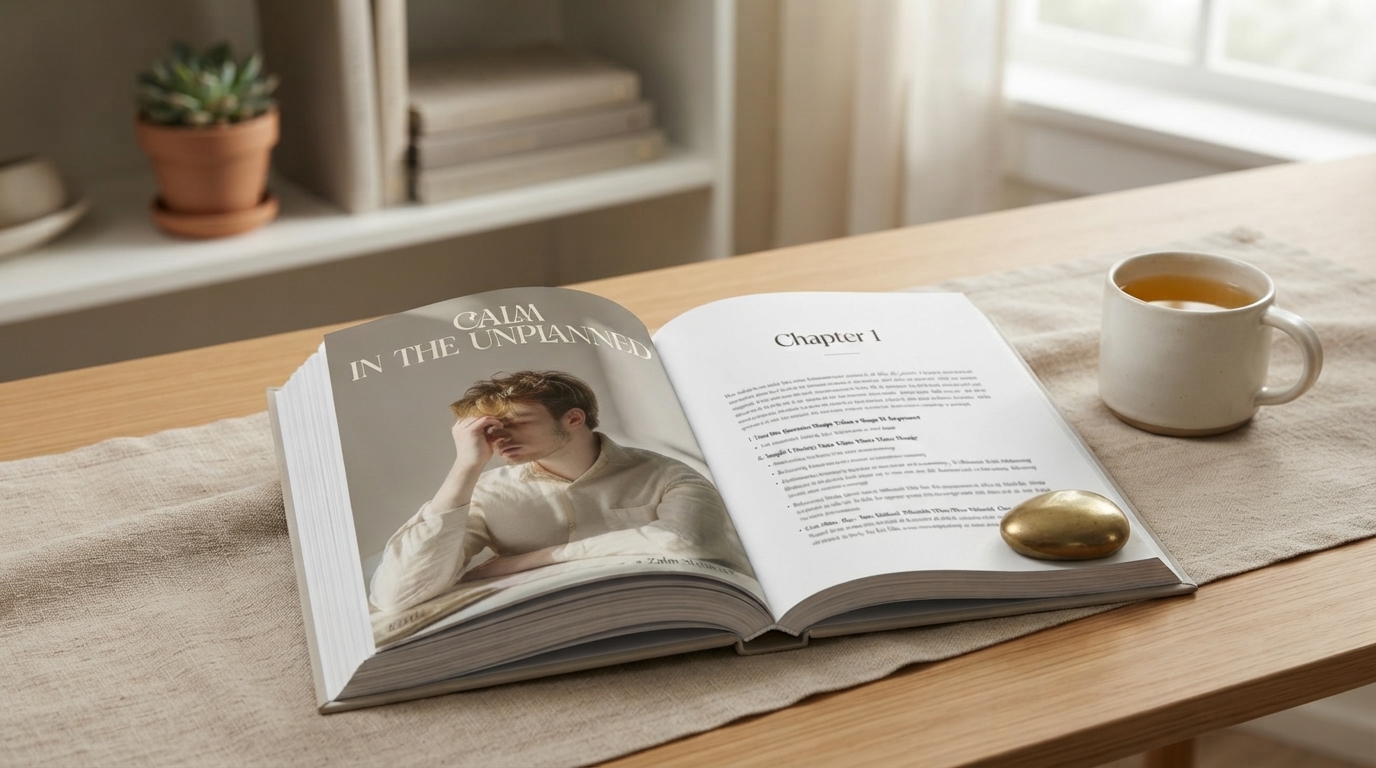
Calm in the Unplanned: Mindfulness and Resilience When Plans Change
Plans shift, schedules break, and expectations collide with reality—often at the worst possible time. Staying calm isn’t about forcing positivity; it’s about building a repeatable response that steadies the nervous system, clarifies the next step, and protects relationships. Below are practical mindfulness and resilience tools for everyday disruptions, from minor delays to high-stakes curveballs.
Why sudden changes feel so intense
When plans change abruptly, the brain often treats uncertainty like a threat. Stress hormones rise, attention narrows, and it becomes easier to miss details or make impulsive choices. If you notice yourself rushing, snapping, or freezing, it’s not a character flaw—it’s a predictable stress response.
Loss of control fuels reactivity. The mind can sprint to worst-case scenarios, blame, or urgency (“This can’t be happening,” “Someone messed up,” “Now everything is ruined”). Emotions are also layered: disappointment plus anxiety plus time pressure can show up as irritation, even when the real feeling underneath is worry.
The goal isn’t to eliminate stress. It’s to shorten the recovery time after a surprise so you can respond with more clarity and less collateral damage.
A 90-second reset for the moment plans change
When disruption hits, aim for a brief, repeatable sequence. Ninety seconds is often enough to reduce the intensity and stop the mental spiral.
- Pause and label the moment: silently name what happened (“The meeting moved,” “The flight is delayed”). Labeling can reduce mental spinning and bring you back to facts.
- Exhale longer than the inhale for 6 cycles: try inhale for 4, exhale for 6. Longer exhales help signal safety to the body.
- Soften the jaw, shoulders, and hands: physical unclenching reduces emotional escalation.
- Ask one stabilizing question: “What’s the next useful action in the next five minutes?”
- If emotions surge, add grounding: notice 5 things seen, 4 felt, 3 heard, 2 smelled, 1 tasted.
Quick resets for different levels of disruption
| Situation | Body cue | Fast practice (1–2 minutes) | Next step |
|---|---|---|---|
| Minor inconvenience (late text, small delay) | Tight chest, tapping foot | 3 slow breaths + relax shoulders | Confirm the new time and move on |
| Schedule disruption (cancellation, traffic, tech failure) | Racing thoughts, irritability | Name the stressor + 5-4-3-2-1 grounding | Re-plan one block of time; message impacted people |
| High-stakes change (missed connection, conflict, urgent problem) | Shaking, tunnel vision | Long exhales + feet on floor + cold water on wrists | Identify the single priority; delegate or ask for help |
Mindfulness skills that make calm more available
Mindfulness isn’t about having a blank mind. It’s about noticing what’s happening—sensations, thoughts, urges—without letting them steer the whole decision.
- Attention training: practice returning focus to one anchor (breath, sounds, feet). That “return” is the skill, and it reduces rumination during uncertainty.
- Noticing vs. merging: replace “This is a disaster” with “The mind is predicting disaster.” That small shift creates distance.
- Urge surfing: the urge to snap, rush, or quit often peaks and falls like a wave. Give it 60–120 seconds before responding.
- Self-compassion as regulation: speak internally the way a steady friend would: “This is hard; take one step.” It’s easier to problem-solve from kindness than self-attack.
- Micro-practice routine: 2 minutes daily tends to beat occasional long sessions because it’s dependable under stress.
For an evidence-based overview of mindfulness and how it supports stress management, see the American Psychological Association’s mindfulness meditation resource and the NIH NCCIH review on meditation and mindfulness.
Resilience habits that reduce disruption damage
- Create an “if-then” map: If Plan A fails, then Plan B is already drafted (backup route, alternative time window, substitute task).
- Build slack into schedules: a 10–20% buffer reduces panic when the unexpected happens.
- Use a three-priority rule: identify one must-do, one should-do, one could-do; reassign quickly when plans shift.
- Protect basic stability: hydration, protein, sleep windows, and movement make emotional regulation easier. The American Heart Association’s stress management tips highlight how foundational habits support stress resilience.
- Practice repair: when stress causes sharp words, a brief apology and reset restores connection faster than justification.
Staying calm with other people involved
A simple weekly practice plan
Using a guided resource for stressful situations
If you prefer a ready-to-use framework, Calm in the Unplanned | Mindfulness & Resilience Guide for Stressful Situations | Ways to Stay Calm When Plans Change is designed for quick reference: body regulation (breath/grounding), mindset shifts (reframing), and next-step planning you can use at work, in public, or at home.
For disruptions that trigger money stress—like a canceled trip, an unexpected bill, or a work schedule change—clear numbers can be as calming as deep breaths. The Beginner’s Guide to Taking Control of Your Money | How to Create a Budget for Beginners | Budgeting Basics Digital Download can help you build a simple plan so financial uncertainty doesn’t amplify emotional overwhelm.
FAQ
How long does it take to calm down after plans change?
An initial stress spike is normal, and many people can reduce the intensity within 60–180 seconds using long exhales and simple grounding. Full emotional recovery can take longer depending on the stakes, sleep, and whether you have support or time to reset.
What if mindfulness makes anxiety feel louder at first?
That can happen because attention highlights sensations you previously avoided. Try shorter practices with eyes open, use external anchors (sounds or feet on the floor), and pair mindfulness with movement or cold water; if panic symptoms persist or feel unmanageable, consider professional support.
How can staying calm help decision-making during disruptions?
Calm supports working memory and reduces impulsive choices, making it easier to see options you’d miss when flooded. Use one next-step question (“What’s useful in the next five minutes?”), make a quick three-priority list, and draft a simple Plan B before communicating with others.















Leave a comment