5-4-3-2-1 Grocery Rule: Shop Balanced, Spend Less
What is the 5 4 3 2 1 rule when grocery shopping?
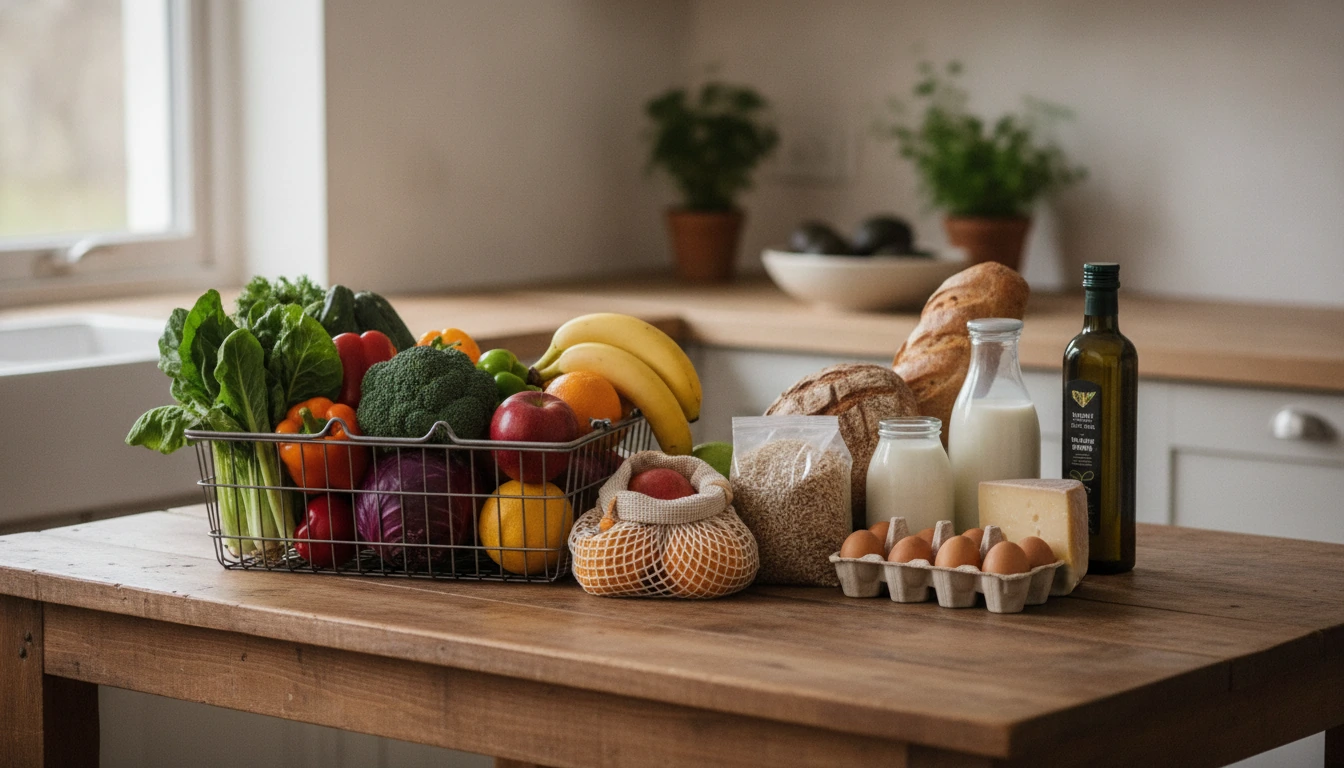
The 5 4 3 2 1 rule is a simple way to build a balanced grocery cart fast: pick 5 vegetables, 4 fruits, 3 proteins, 2 grains (or starchy staples), and 1 “fun” item. It’s popular because it limits impulse buying while still leaving room for something enjoyable, and it naturally pushes your cart toward whole foods.
How to use the 5 4 3 2 1 rule in a real grocery trip
Start in produce. Choose five vegetables you’ll actually use (for example: salad greens, onions, bell peppers, broccoli, and carrots). Then add four fruits that match how your household snacks (bananas, apples, berries, and oranges are easy staples). Next, pick three proteins based on your weekly meals—mixing options helps, such as chicken thighs, canned beans, and eggs.
For the “2,” choose two grains or hearty staples that stretch meals: rice and pasta, oats and tortillas, or bread and potatoes all work depending on what you cook. Finally, the “1” is a treat or convenience item that keeps the plan sustainable—ice cream, chips, sparkling water, or a ready-made dip.
Why the 5 4 3 2 1 rule can help you spend less
This method quietly creates guardrails. You’re selecting a set number of categories instead of wandering aisle by aisle, which reduces duplicate purchases and random extras. It also makes meal planning easier because you’ll have ingredients for breakfasts, lunches, dinners, and snacks without needing a long list.
To make it even more budget-friendly, choose what’s in season, swap one protein for a lower-cost option (like lentils or canned tuna), and keep your “fun” item within a set dollar limit. For more strategies—like building a grocery budget, planning meals, and shopping with a checklist—see the full guide here: https://epherian.com/guide-grocery-budget-checklist-plan-meals-shop-smarter-save/.
FAQ
How can I make a grocery list that prevents impulse buys?
Group your list by store sections (produce, protein, pantry, dairy) and pre-assign meals for the week. Add one planned treat so you’re less tempted to grab unplanned snacks at checkout.















Leave a comment